

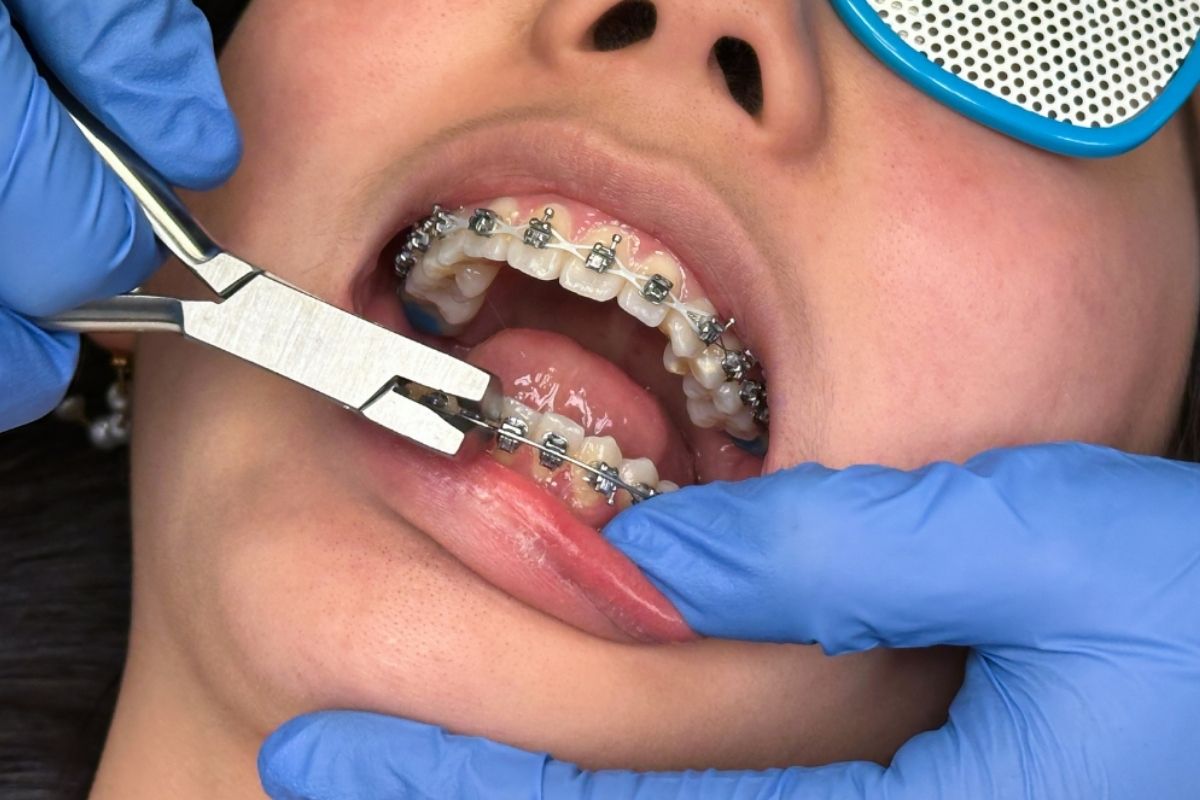
Orthodontic treatment is designed to be durable, but occasional issues can happen. A loose bracket, poking wire, broken appliance, or damaged aligner can leave you wondering whether you need immediate care or if the problem can wait until your next scheduled visit.
Understanding the difference between an orthodontic emergency and a minor repair can help you take the right steps and avoid unnecessary stress.
At Walnut Central Orthodontics, we help individuals and families throughout Dallas navigate orthodontic concerns with confidence. Our team, led by board-certified orthodontists Dr. Choi and Dr. Meyer, provides guidance and timely care when treatment issues arise so that progress stays on track.
Quick Answer: Is It an Orthodontic Emergency?
Most orthodontic issues are not true emergencies, but some situations require prompt attention.
In general:
Contact an office as soon as possible if:
- You have significant pain that does not improve
- An appliance is causing injury to your cheeks, gums, or tongue
- You experience swelling, signs of infection, or trauma to the mouth
- A critical orthodontic appliance breaks and affects your ability to function comfortably
The issue can often wait for a scheduled appointment if:
- A bracket becomes loose but remains attached
- A wire shifts slightly and can be covered with orthodontic wax
- A removable appliance is temporarily unavailable
- An aligner is cracked but still wearable
If you are experiencing an orthodontic issue and are located in Dallas or near NorthPark Mall, call us at (214) 692-5688. We can help assess the situation and recommend the next step.
When You Should Contact Your Office Right Away
Severe Pain or Significant Discomfort
Mild soreness during orthodontic treatment is common. However, severe or persistent pain is not something you should ignore.
Contact your office if:
- Pain is intense or worsening
- Over-the-counter pain relief does not help
- Discomfort interferes with eating or daily activities
Our team can help determine whether an adjustment or repair is needed.
Orthodontic Appliances Causing Injury
If a wire, bracket, or appliance is cutting into soft tissues and causing ongoing irritation or bleeding, you should contact the office promptly.
While orthodontic wax may provide temporary relief, professional evaluation may be necessary if the issue continues.
Facial Swelling or Signs of Infection
Swelling, drainage, fever, or signs of infection require attention.
Although orthodontic appliances do not typically cause infections, symptoms such as swelling or fever should never be ignored.
Injury to the Mouth or Teeth
Sports injuries, falls, and accidents can affect both teeth and orthodontic appliances.
If trauma occurs:
- Assess for bleeding
- Check for loose or displaced teeth
- Contact our office as soon as possible
- Seek emergency dental or medical care if the injury is severe
Prompt evaluation helps protect both your orthodontic treatment and oral health.
Orthodontic Issues That Can Often Be Managed Temporarily
Loose Bracket
A loose bracket is one of the most common orthodontic repairs.
If the bracket remains attached to the wire and is not causing discomfort, it often can wait until the next available appointment.
Until then:
- Avoid hard or sticky foods
- Leave the bracket in place
- Contact our office to schedule a repair
Poking Wire
A wire that extends beyond the bracket can sometimes irritate the cheek or gum tissue.
Temporary solutions may include:
- Applying orthodontic wax
- Using a clean cotton swab to gently reposition the wire when instructed
- Avoiding manipulation of the wire
If irritation continues, contact your office for further guidance.
Broken Elastic Tie or Rubber Band
In many cases, a broken elastic tie is not an emergency.
However, treatment progress may be affected if repairs are delayed for too long. Contact your office to determine whether you need an earlier appointment.
Lost or Damaged Invisalign Aligner
If you are undergoing Invisalign treatment and lose or damage an aligner:
- Contact the office for instructions
- Continue wearing the previous aligner if directed
- Do not skip ahead without professional guidance
The best next step depends on your current stage of treatment.
Minor Appliance Damage
Some removable appliances may crack or loosen over time.
If the appliance remains functional and comfortable, the issue may not require same-day attention. Our team can help determine the appropriate timeline for repair or replacement.
What Not to Do During an Orthodontic Repair Situation
When something breaks, it can be tempting to try fixing it yourself.
Avoid:
- Cutting wires without professional guidance
- Gluing brackets back onto teeth
- Adjusting appliances with household tools
- Ignoring persistent pain or injury
Attempting repairs at home can lead to additional complications and may affect treatment progress.
How to Reduce the Risk of Orthodontic Repairs
While not every issue is preventable, good habits can reduce the likelihood of appliance damage.
Helpful tips include:
- Avoid hard, crunchy, and sticky foods when wearing braces
- Wear a mouthguard during sports and physical activities
- Follow appliance care instructions carefully
- Attend scheduled orthodontic visits
- Store removable appliances safely when not in use
Consistent care helps keep treatment moving forward smoothly.
Frequently Asked Questions About Orthodontic Repairs
Is a loose bracket an orthodontic emergency?
Usually not. If the bracket remains attached and is not causing pain, it can often be repaired at a scheduled appointment.
What should I do if my braces wire is poking my cheek?
Orthodontic wax may provide temporary relief. Contact our office if discomfort continues or the wire causes injury.
Can I continue wearing a cracked Invisalign aligner?
Some cracked aligners remain usable temporarily, while others require replacement. Contact our office for specific instructions.
Should I go to the emergency room for a broken bracket?
A broken bracket alone typically does not require emergency room care. However, significant injury, trauma, swelling, or uncontrolled bleeding may require immediate medical attention.
Ready to Start Orthodontic Treatment?
If you are considering braces or Invisalign and want to learn about your treatment options, Walnut Central Orthodontics welcomes new patients from Dallas and surrounding communities.
We offer a free consultation for first-time new patient visits, giving you the opportunity to meet with our experienced team, discuss your goals, and receive a personalized treatment recommendation from Dr. Choi or Dr. Meyer. Contact our office today to schedule your complimentary orthodontic consultation.
Knowing When an Orthodontic Repair Needs Immediate Attention
Most orthodontic repairs are not true emergencies, but some situations require prompt professional evaluation. Understanding the difference between urgent issues and manageable treatment adjustments can help you protect your smile and stay on track with treatment.
When questions arise, contacting your orthodontist is always the safest approach. Timely guidance can help prevent complications and ensure your treatment continues as planned.


Family-Friendly
Orthodontic Care Starts Here