

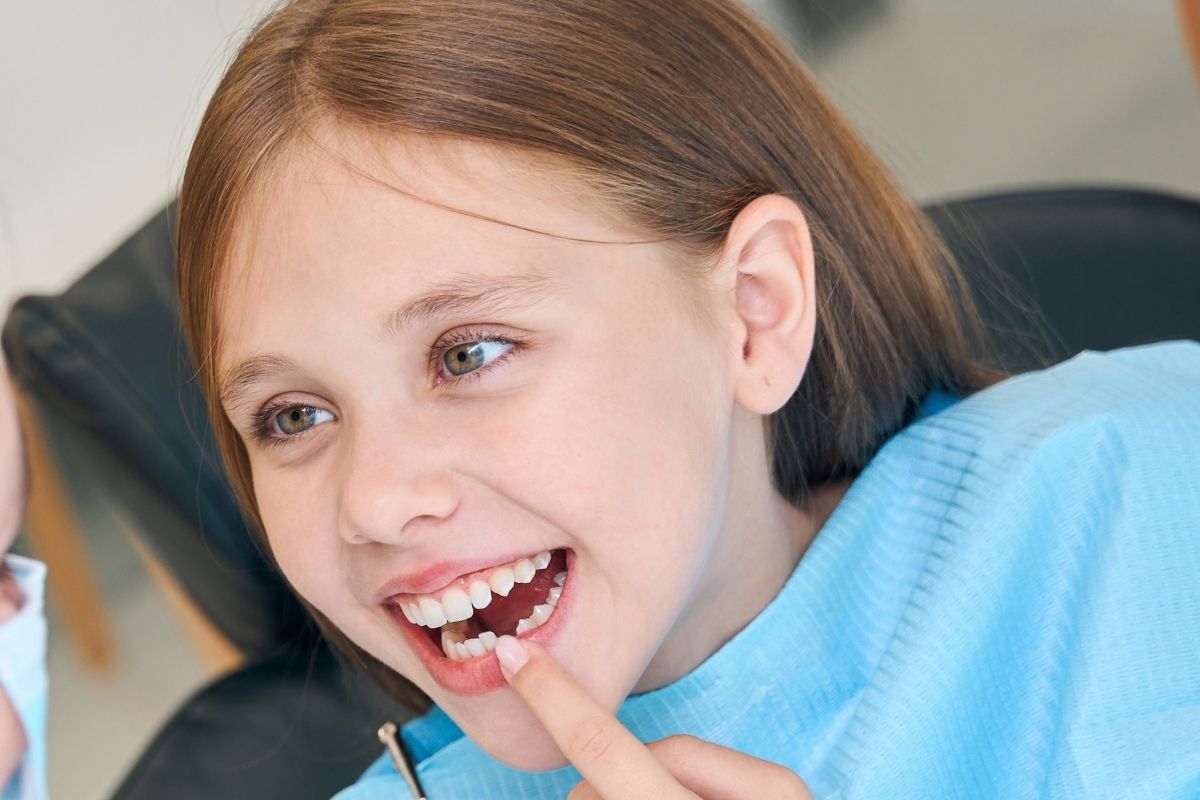
As children grow, their teeth and jaws develop rapidly. While some changes are a normal part of development, certain bite problems may affect how teeth fit together, how the jaw functions, and even how comfortably a child eats or speaks. Many parents first notice small signs at home long before their child ever complains about discomfort.
Because bite issues often develop gradually, they can be easy to overlook during the early stages. Understanding what to watch for can help parents know when an orthodontic evaluation may be beneficial.
At Walnut Central Orthodontics, Dr. Choi and Dr. Meyer work with children and families throughout the Dallas area to evaluate bite development and identify concerns that may affect long-term oral health and function. Early evaluations do not always mean immediate treatment is necessary, but they can help monitor growth and guide future care if needed.
What Is a Bite Problem?
A bite problem, also called a malocclusion, occurs when the upper and lower teeth do not align properly when the mouth closes. Bite issues can involve the teeth, jaw position, or a combination of both.
Some bite concerns are mild, while others may gradually affect:
- Chewing function
- Speech development
- Jaw comfort
- Tooth wear
- Oral hygiene
- Facial balance
- Long-term alignment
Not every child with crooked teeth has a serious bite problem, and not every bite issue is immediately visible. This is why orthodontic evaluations focus on both tooth alignment and jaw development.
Common Bite Problems Seen in Children
Several types of bite issues may develop during childhood.
Overbite
An overbite occurs when the upper front teeth overlap the lower front teeth excessively.
A mild overbite can be normal, but deeper overbites may contribute to:
- Tooth wear
- Gum irritation
- Biting difficulties
- Jaw strain
Underbite
An underbite happens when the lower teeth sit in front of the upper teeth.
Parents may notice:
- A prominent lower jaw
- Difficulty biting food
- Changes in facial balance
Underbites sometimes involve jaw growth differences that may benefit from early monitoring.
Crossbite
A crossbite occurs when some upper teeth fit inside the lower teeth instead of outside them.
Crossbites may affect:
- Jaw growth
- Tooth wear
- Bite balance
- Chewing patterns
In some children, untreated crossbites may contribute to shifting of the jaw during growth.
Open Bite
With an open bite, the upper and lower teeth do not touch properly when the mouth closes.
Children with open bites may experience:
- Difficulty biting certain foods
- Speech concerns
- Tongue thrust habits
- Mouth breathing patterns
Crowding and Spacing
Crowding develops when there is not enough room for teeth to erupt properly. Spacing refers to noticeable gaps between teeth.
Some spacing during childhood can be normal, especially as baby teeth transition to permanent teeth. However, significant crowding or spacing may sometimes indicate developing bite concerns.
Signs Parents May Notice at Home
Many bite problems become noticeable through everyday habits and changes rather than obvious pain.
Parents may observe:
- Teeth that appear uneven or crowded
- Difficulty chewing food comfortably
- Mouth breathing
- Frequent biting of the cheeks
- Jaw shifting when opening or closing
- Speech difficulties
- Thumb sucking that continues beyond early childhood
- Teeth that do not seem to fit together properly
- Early or uneven tooth wear
- Complaints of jaw discomfort or clicking
Some children may also avoid certain foods because chewing feels uncomfortable.
Why Early Orthodontic Evaluations Matter
An early orthodontic evaluation helps determine whether a child’s teeth and jaws are developing appropriately. In many cases, no immediate treatment is needed. However, monitoring growth at the right time can help identify concerns before they become more complicated.
The American Association of Orthodontists recommends that children receive an orthodontic evaluation around age 7. At this stage, orthodontists can often detect:
- Developing jaw alignment issues
- Eruption concerns
- Bite imbalances
- Crowding patterns
- Harmful oral habits affecting development
Early evaluations are primarily focused on assessment and guidance, not automatically placing braces.
At Walnut Central Orthodontics, Dr. Choi and Dr. Meyer evaluate each child individually and explain their findings clearly so parents can better understand whether monitoring, early intervention, or future orthodontic treatment may be recommended. If you have concerns about your child’s dental alignment or bite development, call our office at (214) 692-5688 to schedule a free consultation with our team.
Does Every Bite Problem Require Early Treatment?
Not necessarily.
Some children benefit from monitoring growth over time before starting orthodontic treatment. Others may benefit from earlier intervention if a bite issue is affecting jaw development, oral function, or tooth eruption.
Treatment timing depends on factors such as:
- The child’s age
- Jaw growth patterns
- Severity of the bite issue
- Oral habits
- Eruption of permanent teeth
- Functional concerns
Orthodontic treatment is most effective when recommendations are based on the child’s specific stage of development rather than beginning too early or waiting too long unnecessarily.
What Treatment Might Be Recommended?
If treatment is needed, recommendations vary depending on the type and severity of the bite problem.
Possible treatment options may include:
- Observation and growth monitoring
- Habit correction guidance
- Palatal expanders
- Limited early orthodontic treatment
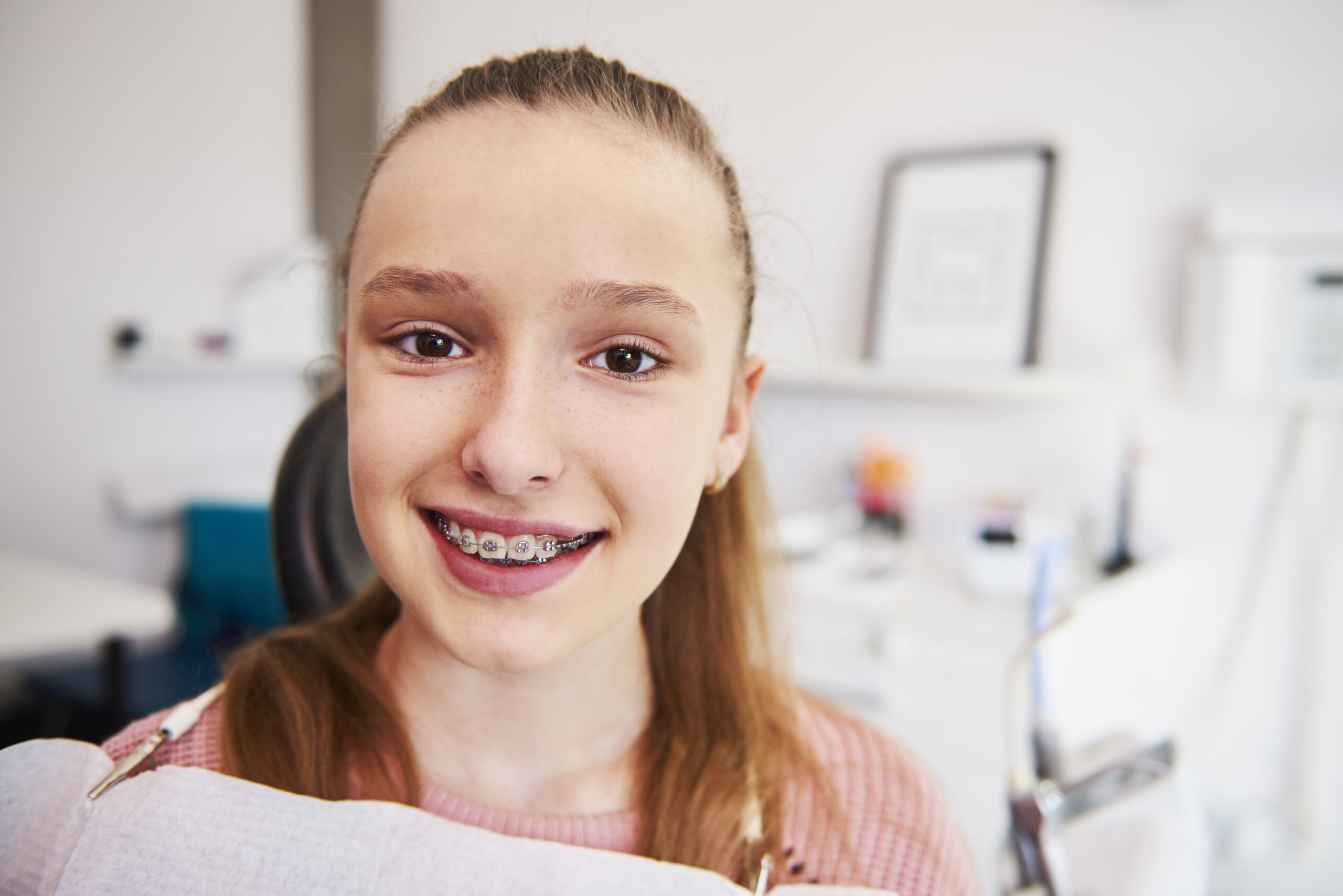
- Braces
- Clear aligners for appropriate cases
- Retainers after treatment
Some children may complete treatment in phases, while others may only require treatment later during adolescence.
The goal is not simply straighter teeth, but improving bite function, jaw balance, and long-term oral health.
Can Bite Problems Affect More Than Appearance?
Yes. While many parents first notice cosmetic concerns, bite problems may also affect:
- Chewing efficiency
- Speech clarity
- Jaw comfort
- Tooth wear patterns
- Oral hygiene access
- Long-term dental stability
When teeth do not fit together properly, certain areas may experience extra pressure over time. Some children may also struggle to clean crowded teeth effectively, increasing the risk of plaque buildup and cavities.
Helping Parents Understand the Next Step
Parents often feel unsure whether what they are seeing is a normal stage of development or something that should be evaluated by a professional. An orthodontic consultation can provide reassurance and help families better understand their child’s growth patterns.
At our Dallas orthodontic office, Dr. Choi and Dr. Meyer take time to evaluate bite development carefully and discuss whether treatment, monitoring, or no immediate intervention is the most appropriate approach.
Supporting Healthy Bite Development in Growing Smiles
Bite problems in children can sometimes develop gradually, making early signs easy to miss. Paying attention to changes in chewing, tooth alignment, speech, or jaw function can help parents know when an orthodontic evaluation may be helpful.
Frequently Asked Questions
At what age should a child see an orthodontist?
Many children benefit from an orthodontic evaluation around age 7, when early bite and jaw development concerns can often be identified.
Do crooked teeth always mean braces are needed?
Not always. Some alignment issues are mild or may improve as children grow, while others may require orthodontic treatment later.
Can thumb sucking affect a child’s bite?
Yes. Prolonged thumb sucking may contribute to open bites, tooth movement, and jaw development changes in some children.
Are bite problems painful?
Some children experience no discomfort at all, while others may notice chewing difficulties, jaw strain, or uneven tooth wear over time.
What if my child is nervous about orthodontic treatment?
Many children feel uncertain initially. Orthodontic consultations are designed to help families understand the process comfortably and ask questions before any treatment decisions are made.
Family-Friendly
Orthodontic Care Starts Here