

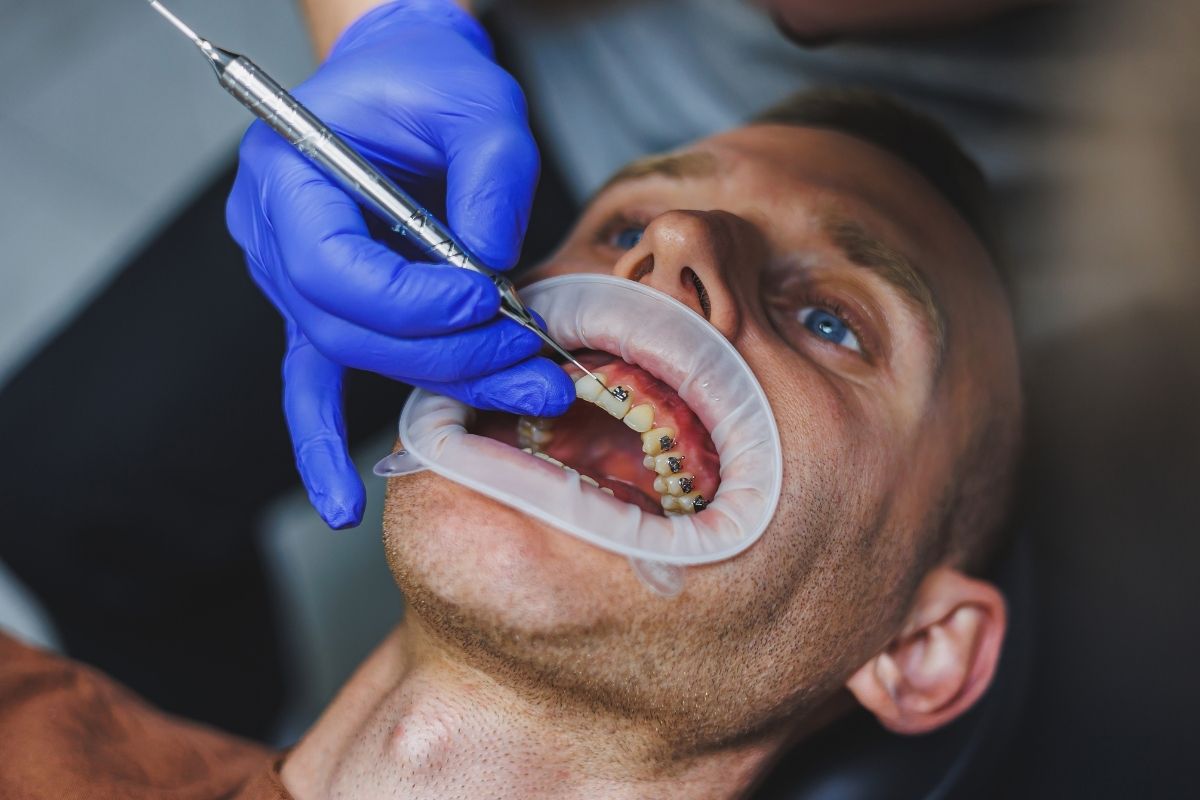
Orthodontic concerns are often associated with childhood and the teenage years, but they do not disappear once you reach adulthood. In fact, many people notice changes in their teeth alignment over time and begin to wonder if orthodontic problems actually worsen with age. The short answer is yes, certain conditions can progress if they are not addressed. Understanding why this happens and what you can do about it is key to protecting your oral health and your smile.
Why Teeth Shift Over Time
Teeth are not permanently fixed in place. They are supported by bone and soft tissue that naturally change as you age. Even if you had braces in the past, your teeth can still shift gradually over the years.
Several factors contribute to this movement:
- Natural aging process: Bone density and gum tissue change over time, which can allow teeth to move.
- Daily wear and tear: Chewing, grinding, and clenching put pressure on teeth.
- Loss of teeth: Missing teeth create space that allows surrounding teeth to shift.
- Lack of retainer use: After orthodontic treatment, retainers are essential for maintaining results.
These changes are often subtle at first but can become more noticeable if left untreated.
Common Orthodontic Issues That Can Worsen
Not all orthodontic problems progress at the same rate, but several conditions are known to become more pronounced with age.
Crowding
Crowding is one of the most common issues adults experience. As teeth shift forward over time, especially in the lower front area, they can begin to overlap. This can make brushing and flossing more difficult, increasing the risk of cavities and gum disease.
Bite Problems
Issues such as overbite, underbite, or crossbite can worsen if not treated. Misaligned bites can lead to uneven wear on teeth, jaw discomfort, and even difficulty chewing.
Spacing Issues
Gaps between teeth can either widen or develop over time, especially if there is bone loss or gum disease. These spaces can trap food and bacteria, leading to additional oral health concerns.
Jaw Alignment Changes
The jaw can shift slightly with age, especially if there are underlying bite issues. This can contribute to discomfort, headaches, or temporomandibular joint problems.
The Role of Gum Health in Tooth Movement
Gum health plays a significant role in how teeth shift over time. Conditions like periodontal disease weaken the structures that support your teeth. When this happens, teeth can loosen and move more easily.
Maintaining healthy gums through regular dental visits and proper oral hygiene is essential in preventing unnecessary tooth movement. Addressing gum disease early can also help stabilize your smile.
Can Previous Orthodontic Treatment Relapse?
Yes, relapse is possible. Even after successful orthodontic treatment, teeth have a natural tendency to move back toward their original positions. This is why retainers are such an important part of long-term care.
If retainers are not worn as recommended, gradual shifting can occur. In some cases, minor relapse can be corrected with limited orthodontic treatment rather than a full set of braces.
Adult Orthodontic Treatment Options
Many adults assume it is too late to correct orthodontic issues, but that is not the case. Modern orthodontics offers a range of effective and discreet treatment options.
At Walnut Central Orthodontics in Dallas, we provide customized orthodontic care for adults seeking to improve their smiles and oral health. Treatment options may include:
- Clear aligners: A popular option for adults who want a nearly invisible solution.
- Ceramic braces: Tooth-colored brackets that blend in with natural teeth.
- Traditional braces: A reliable option for more complex cases.
Dr. Choi and Dr. Meyer evaluate each patient individually to determine the most appropriate treatment plan based on their needs and goals.
Why Address Orthodontic Issues Early
While treatment is effective at any age, addressing orthodontic concerns sooner can prevent more complex problems later. Early intervention can:
- Reduce the risk of tooth wear and damage
- Improve oral hygiene by making teeth easier to clean
- Prevent worsening bite issues
- Support overall oral health
Delaying treatment may lead to longer treatment times or additional procedures in the future.
Signs Your Orthodontic Problems May Be Getting Worse
It is not always obvious when orthodontic issues are progressing. However, there are several signs to watch for:
- Increasing crowding or overlapping teeth
- Changes in how your bite feels
- Difficulty flossing between teeth
- Jaw discomfort or clicking
- Visible shifting compared to previous years
If you notice any of these changes, it may be time to consult an orthodontic specialist. Our Dallas office is equipped with advanced technology, and we offer complimentary consultations for families in the area. To schedule your orthodontic screening, please call us at (214) 692-5688.
How to Prevent Further Shifting
While some degree of movement is natural, there are steps you can take to minimize it:
- Wear your retainer as prescribed
- Maintain regular dental checkups and cleanings
- Practice good oral hygiene habits
- Address grinding or clenching with professional guidance
- Replace missing teeth promptly
These measures can help preserve your smile and reduce the likelihood of worsening alignment issues.
When to Consider Orthodontic Treatment
If orthodontic concerns are affecting your confidence, comfort, or oral health, it is worth exploring treatment options. Many adults choose orthodontic care not only for cosmetic reasons but also to improve function and support long-term dental health.
Even minor adjustments can make a noticeable difference in both appearance and comfort.
If you are looking for an orthodontic care provider, our office is conveniently located near NorthPark Center at the southwest corner of Walnut Hill Lane and North Central Expressway. We proudly serve patients throughout the Dallas–Fort Worth metroplex.
Take the Next Step Toward a Healthier Smile
Orthodontic problems can worsen with age, but effective solutions are available at every stage of life. Whether you are noticing subtle changes or more significant alignment issues, timely care can help prevent further complications.


Family-Friendly
Orthodontic Care Starts Here