

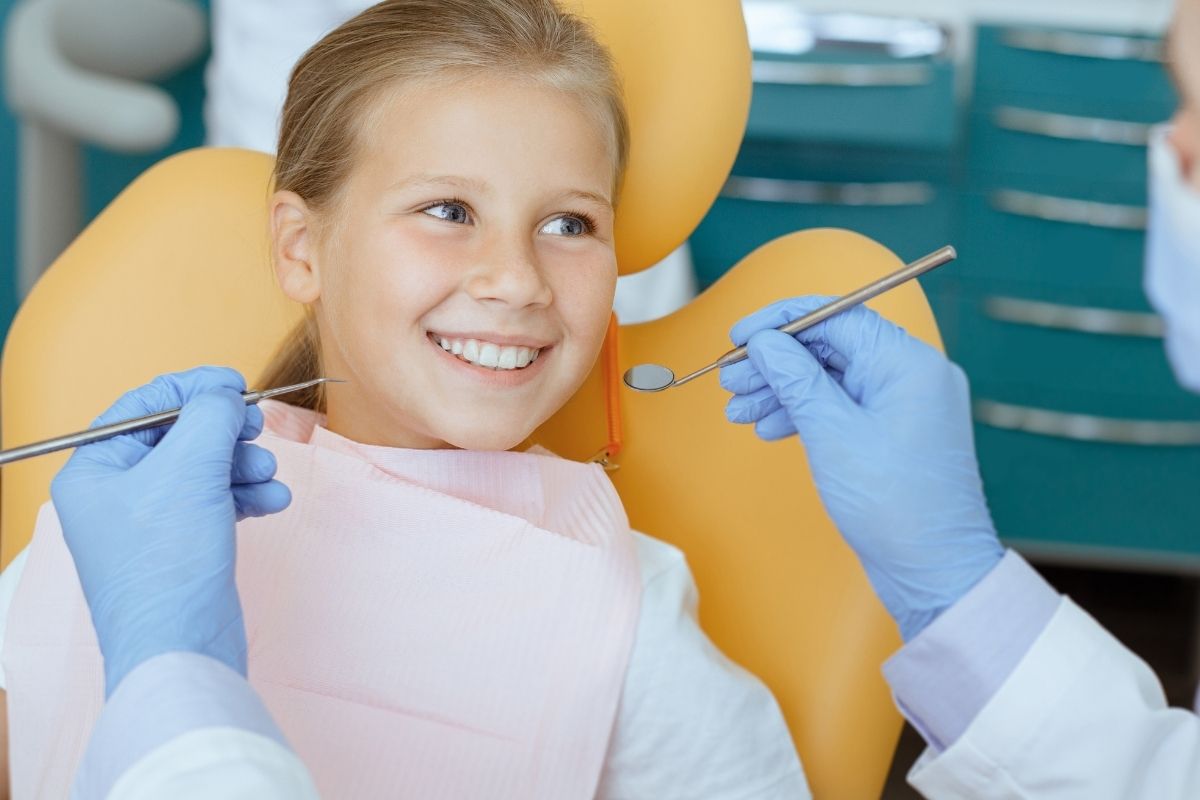
The idea of Phase 1 orthodontics stirs up confusion, with some seeing it as an extra step and others as a smart move. Parents often face a tough choice. Should they spend time and money on braces for their young child now, or wait until the teen years?
Phase 1 orthodontics, also called interceptive treatment, happens between ages 7 and 10. It focuses on guiding jaw growth and fixing early bite problems, not just lining up teeth. This early step can shape how teeth develop as kids grow.
At Walnut Central Orthodontics, we understand that parents want the best for their child’s smile. Below, we break down what Phase 1 treatment really means, its benefits, and when it’s truly necessary — so you can make an informed choice.
What Is Phase 1 Orthodontic Treatment?
Phase 1 orthodontics is an early intervention designed to correct developing dental and jaw issues before they become more complex. It typically begins when a child still has a mix of baby and permanent teeth (usually between ages 7–10).
Common goals of Phase 1 treatment include:
- Correcting bite problems (underbite, crossbite, overbite)
- Creating space for incoming permanent teeth
- Guiding proper jaw growth
- Reducing the risk of trauma to protruding front teeth
- Preventing future extraction or surgery
Treatment may involve partial braces, expanders, space maintainers, or other orthodontic appliances. After this stage, children usually enter a “resting period” before beginning Phase 2—the more familiar comprehensive braces or aligners in the teen years.
Why Do Some Kids Need Phase 1 Orthodontics?
Not every child needs early orthodontic treatment, but for some, starting early makes a big difference.
As an orthodontist, we may recommend Phase 1 if your child has:
- Crowding or blocked-out teeth
- Early or late loss of baby teeth
- Difficulty biting, chewing, or speaking
- Thumb-sucking or other oral habits affecting bite alignment
- A narrow upper jaw or crossbite
- Noticeable jaw shifting or asymmetry
Catching these issues early can help avoid more invasive treatments later.
Benefits of Early Orthodontic Treatment
Phase 1 treatment can offer lifelong benefits by improving not just appearance, but also function and comfort.
Key benefits include:
- Guided jaw development: Helps ensure proper upper and lower jaw alignment.
- Prevention of complex problems: Reduces the need for extractions or jaw surgery later.
- Better facial symmetry: Encourages balanced facial growth and aesthetics.
- Improved confidence: A straighter, healthier smile boosts self-esteem early on.
- Simplified future treatment: Phase 2 treatment is often shorter and less intensive.
When to Wait on Orthodontic Treatment
Not every early issue requires immediate action. Some mild spacing or alignment problems resolve naturally as permanent teeth come in.
A thorough orthodontic evaluation around age 7 (as recommended by the American Association of Orthodontists) helps determine the best course of action. Sometimes, simply monitoring growth is the right move, and we’ll always recommend what’s truly best for your child’s needs, not unnecessary treatment.
What to Expect at a Phase 1 Consultation
At Walnut Central Orthodontics, your child’s comfort and confidence come first. During a Phase 1 consultation, we will:
- Take digital X-rays and photos
- Examine your child’s bite and tooth development
- Discuss findings in simple, clear terms
- Recommend whether early treatment or observation is best
Our goal is to ensure you have all the information and reassurance you need to make the right decision for your child’s smile.
Ready to Learn More?
If your child is around age 7 and you’re wondering whether Phase 1 orthodontics could help, our experienced orthodontic team in Dallas is here for you. Schedule a free consultation today and let us guide you every step of the way toward your child’s healthiest, happiest smile.
The Bottom Line: Is Phase 1 Orthodontics Worth It?
In many cases, yes. Phase 1 orthodontics can prevent bigger, more expensive, and more complex problems in the future. However, it’s not always necessary for every child.
The best first step is a professional orthodontic evaluation. Early detection gives parents peace of mind and ensures kids get the right care at the right time.


Family-Friendly
Orthodontic Care Starts Here