

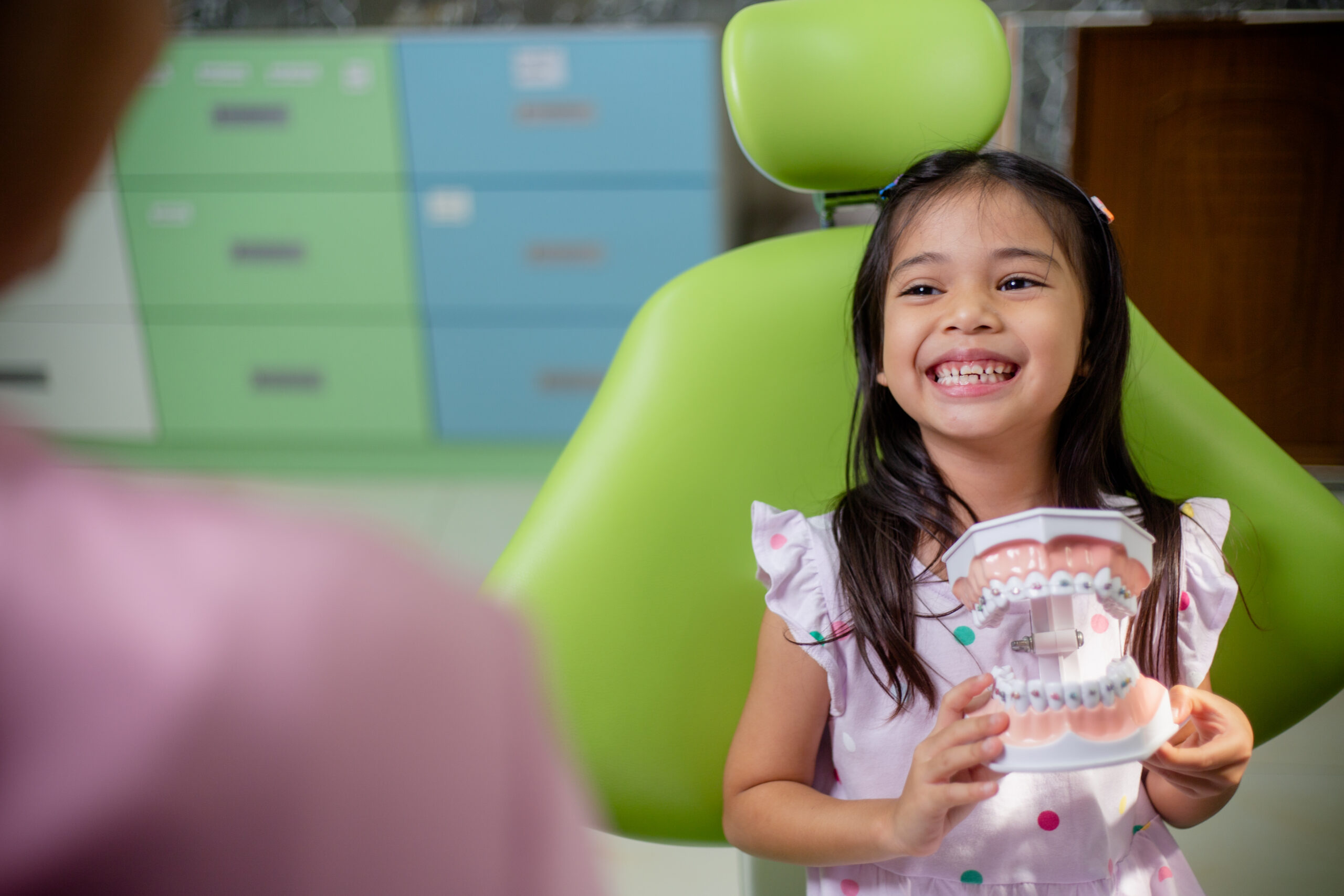
As a parent, you probably notice every little change in your child’s smile—from the first baby tooth to the excitement of permanent teeth coming in. But what many families don’t realize is that some orthodontic concerns begin long before braces are ever discussed.
That’s why orthodontists recommend an initial evaluation around age seven. At this stage, your child’s jaw is still developing, making it easier to identify bite problems, crowding, and other issues before they become more complicated.
For families across Dallas—from Lake Highlands and Preston Hollow to Uptown, University Park, and Richardson—early orthodontic evaluations are about planning ahead, not rushing into treatment. In many cases, children don’t need braces immediately. Instead, early monitoring allows your orthodontist to recommend treatment at the right time, which can lead to better outcomes and a smoother experience.
Let’s look at ten signs that may indicate it’s time to schedule an orthodontic consultation for your child.
Why Early Orthodontic Evaluations Matter
School age is not how old a child should be when orthodontic treatment should begin. For some children, even earlier can be a better time to begin orthodontic evaluations, because some bites and dental problems are simpler to fix if started at a younger age.
An early evaluation allows your orthodontist to:
- Monitor jaw growth.
- Check how permanent teeth are erupting.
- Detect bite problems before they worsen.
- Recommend the ideal timing for treatment.
- Reduce the risk of more complex orthodontic procedures later.
Keep in mind that an evaluation doesn’t automatically mean your child will need braces right away. Often, it’s simply the first step in creating a personalized treatment plan.
7 Signs Your Child May Need an Orthodontist
1. Crowded or Crooked Teeth
One of the earliest signs of an orthodontic issue is crowded, overlapping, or crooked teeth. When there isn’t enough space in the jaw, permanent teeth may erupt out of alignment, making it harder to brush and floss effectively. Over time, this can increase the risk of cavities and gum disease.
2. Difficulty Biting or Chewing Food
If your child has trouble biting into foods or frequently bites the inside of their cheeks while eating, it may indicate that their teeth or jaws aren’t aligned properly. A healthy bite is essential for comfortable chewing, proper digestion, and overall oral function.
3. Teeth Don’t Line Up Correctly
When your child closes their mouth, the upper and lower teeth should fit together comfortably. If they don’t, it may be a sign of a bite problem such as:
- Overbite
- Underbite
- Crossbite
- Open bite
Early evaluation can help determine the best time to correct these issues while your child’s jaw is still developing.
4. Thumb Sucking Beyond Age Four
Thumb sucking is a normal self-soothing habit during infancy and toddlerhood. However, if it continues beyond age four, it can affect the alignment of the teeth and the development of the upper jaw, potentially leading to bite problems that require orthodontic treatment.
5. Mouth Breathing
Habitual mouth breathing may do more than affect sleep—it can also influence facial growth and jaw development. If your child consistently breathes through their mouth, snores, or sleeps with their lips apart, it’s worth discussing with both your pediatrician and orthodontist to determine whether orthodontic factors may be involved.
6. Front Teeth That Protrude
Front teeth that extend significantly beyond the lower teeth are more susceptible to chips, fractures, and other dental injuries during sports or everyday activities. Early orthodontic treatment may help improve tooth position while also protecting your child’s smile.
7. Baby Teeth Fall Out Too Early or Too Late
Baby teeth act as natural guides for the eruption of the permanent teeth. Typically lost earlier or later than normal, they may interfere with the eruption and potentially contribute to overcrowding or spacing irregularities, so an orthodontic assessment can be appropriate to determine whether normal growth has been interrupted.
Benefits of Identifying Orthodontic Issues Early
Research from the National Institute of Dental and Craniofacial Research (NIDCR) highlights that healthy development of the teeth and jaws plays an important role in long-term oral health, making early orthodontic evaluations an important part of preventive dental care for many children.
| Benefit | Why It Matters |
| Better jaw development | Supports balanced facial growth |
| Improved bite | Makes eating and speaking easier |
| Room for permanent teeth | Reduces the chance of severe crowding |
| Easier oral hygiene | Straight teeth are easier to clean |
| More predictable treatment | Planning ahead often leads to better outcomes |
What Dallas Parents Can Expect During the First Visit
Your child’s first orthodontic appointment is designed to be informative and stress-free.
During the visit, your orthodontist may:
- Review your child’s dental and medical history.
- Examine the teeth and bite.
- Evaluate jaw growth.
- Take digital X-rays or photos if needed.
- Discuss whether treatment, monitoring, or no intervention is recommended.
Many children simply return for periodic growth checks until the timing is right for treatment.
Why Dallas Families Choose Early Orthodontic Care
Dallas is home to active families balancing school, sports, music lessons, and busy work schedules. Planning orthodontic care early can make future treatment more convenient and, in some cases, less extensive.
Whether your family lives near North Dallas, Lakewood, Bishop Arts, Highland Park, University Park, Richardson, or Addison, staying ahead of orthodontic concerns gives your child the best opportunity for a healthy, confident smile.
References
- National Institute of Dental and Craniofacial Research (NIDCR) – Oral Health Information
- American Association of Orthodontists (AAO) – Early Orthodontic Evaluations
- American Dental Association (ADA) – Oral Health Resources
Frequently Asked Questions
1. What is the best age for my child’s first orthodontic visit?
7 years, most orthodontists recommend coming in about then. This is when some of the permanent teeth have come in, so the orthodontist can examine the child’s bite and the alignment of the teeth to determine if any issues are developing; still, they may not necessarily be recommended for treatment at that time.
2. Does every child who visits an orthodontist need braces?
No. Many children only need periodic monitoring. Early evaluations help determine the right timing for treatment rather than starting braces immediately.
3. Can early orthodontic treatment prevent braces later?
Not always. However, early treatment may simplify future orthodontic care, reduce the severity of certain issues, and improve jaw development.
4. Are crooked baby teeth a reason to visit an orthodontist?
Crooked baby teeth alone aren’t always a concern, but if you notice crowding, bite issues, or delayed tooth eruption, it’s a good idea to schedule an evaluation.
5. How long does an orthodontic consultation take?
Most initial consultations take about 45 to 60 minutes and include a comprehensive examination, diagnostic imaging (if necessary), and a discussion of personalized recommendations.
Schedule Your Child’s Orthodontic Evaluation
If you’ve noticed any of these early signs—or your child is approaching age seven—now is a great time to schedule an orthodontic evaluation.
At Walnut Central Orthodontics, Dr. Judy Choi and her team are dedicated to helping Dallas families understand their child’s orthodontic needs through personalized, comprehensive care.
Reach us today at Walnut Central Orthodontics to schedule your child’s consultation and take the first step toward a healthy, confident smile.
Family-Friendly
Orthodontic Care Starts Here