

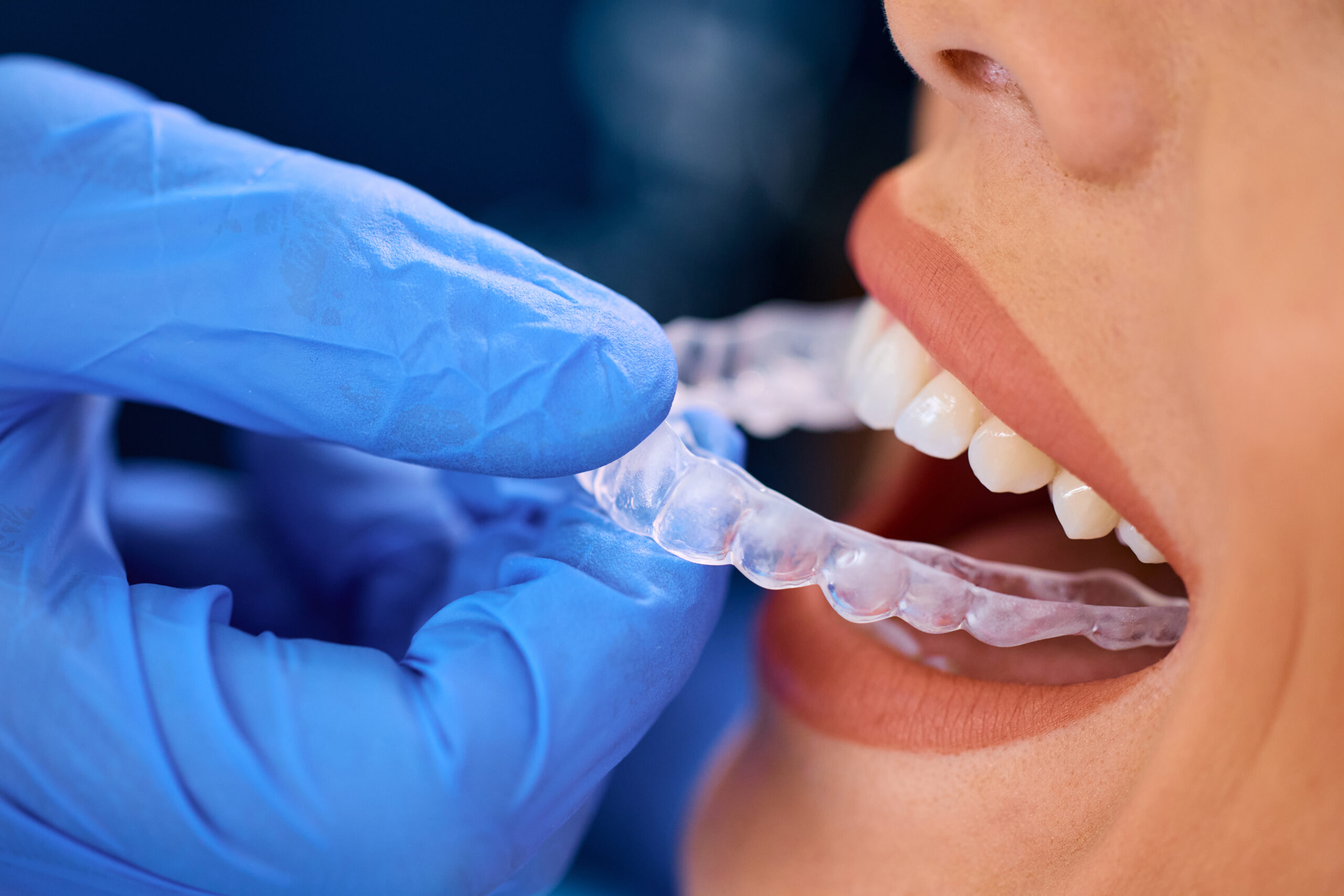
If you’re considering Invisalign, you may have one question that keeps coming back: Can Invisalign damage your teeth?
It’s a reasonable concern. After all, you’re wearing plastic aligners over your teeth for most of the day, and the goal is to gradually move your teeth into new positions. You may wonder whether that pressure could harm your enamel, gums, or roots.
The good news is that Invisalign is designed to move teeth gradually under professional orthodontic supervision. However, like any orthodontic treatment, it needs to be planned and monitored properly. Your daily habits also play an important role in protecting your teeth throughout treatment.
Can Invisalign Damage Your Teeth?
Can Invisalign damage your teeth? In properly planned treatment, Invisalign is not expected to damage healthy teeth simply because the aligners apply gentle pressure.
Clear aligners work by applying controlled forces that gradually move teeth. The American Association of Orthodontists (AAO) recognizes clear aligners as an orthodontic treatment option for several conditions, including crowding, spacing, overbites, underbites, open bites, and crossbites.
However, problems can occur when aligners are poorly fitted, used incorrectly, or worn without appropriate professional supervision.
That’s why the better question isn’t simply “Can Invisalign damage your teeth?” It’s also: Are you receiving the right treatment plan, following your orthodontist’s instructions, and maintaining good oral hygiene?
What Could Cause Problems During Invisalign Treatment?
Here are some of the most common concerns patients should understand:
| Concern | What Can Happen | How to Reduce the Risk |
|---|---|---|
| Poor oral hygiene | Plaque and bacteria can contribute to cavities or gum problems | Brush and floss consistently |
| Wearing dirty aligners | Bacteria can build up on the trays | Clean aligners as directed |
| Poor-fitting aligners | Irritation or unwanted pressure may occur | Contact your orthodontist |
| Not wearing aligners as instructed | Treatment may not progress as planned | Follow your prescribed wear schedule |
| Eating with aligners | Food and sugary drinks can become trapped against teeth | Remove aligners before eating |
| Skipping dental visits | Developing dental problems may go unnoticed | Continue routine dental care |
The ADA notes that orthodontic treatment should be supervised by a dental professional and that proper evaluation and monitoring are important for protecting oral health.
Can Invisalign Damage Your Enamel?
Can Invisalign damage your teeth by weakening the enamel? The aligner material itself isn’t designed to wear away healthy enamel.
The bigger concern is what happens underneath the aligners.
Because aligners cover your teeth for much of the day, leftover food, plaque, and sugary liquids can remain against the tooth surface if you aren’t cleaning properly. The ADA recommends good oral hygiene and continued dental care during orthodontic treatment.
That’s why it’s important to brush and floss before putting your aligners back in, particularly after meals.
Can Invisalign Cause Cavities?
Another common question is whether Can Invisalign damage your teeth by increasing the risk of cavities.
Invisalign doesn’t automatically cause cavities. However, poor cleaning habits can create an environment where plaque remains on the teeth for longer periods.
The NIDCR explains that dental plaque contributes to tooth decay and emphasizes regular brushing with fluoride toothpaste and cleaning around the gumline.
A simple routine can make a big difference:
- Brush your teeth thoroughly.
- Floss daily.
- Remove aligners before eating.
- Drink water when your aligners are in.
- Clean your aligners regularly.
- Continue routine visits with your general dentist.
The AAO similarly recommends removing aligners before eating or drinking anything other than water and keeping both your teeth and aligners clean.
Can Invisalign Damage Your Gums?
Can Invisalign damage your teeth or gums if the trays feel tight?
Some pressure and mild tenderness are normal when moving teeth. However, persistent gum irritation, significant pain, bleeding, or an aligner that repeatedly cuts into your gums shouldn’t simply be ignored.
An improperly fitting tray can create unnecessary irritation. If something doesn’t feel right, contact your orthodontic team rather than trying to reshape or modify the aligner yourself.
What If Your Invisalign Doesn’t Fit?
Your aligners should fit snugly, but they shouldn’t cause severe or persistent discomfort.
If a new tray doesn’t fit properly, don’t force it into place. Contact your orthodontist and explain what you’re experiencing.
At Walnut Central Orthodontics, Invisalign treatment is planned using digital imaging and customized treatment planning. The practice recommends wearing Invisalign aligners for approximately 20–22 hours per day, removing them for eating, drinking, brushing, and flossing.
Can Invisalign Damage Your Teeth If You Don’t Follow Instructions?
Can Invisalign damage your teeth when patients don’t follow their treatment instructions? The bigger concern is that inconsistent or improper use can interfere with treatment progress and oral hygiene.
For example, repeatedly leaving aligners out for long periods can affect how well your treatment progresses. Eating while wearing aligners or putting dirty trays onto unclean teeth can also make maintaining good oral hygiene more difficult.
Invisalign works best when you treat your aligners as part of your daily routine—not something you wear only when it’s convenient.
Why Professional Monitoring Matters
One of the biggest differences between professionally supervised orthodontic treatment and DIY or direct-to-consumer approaches is ongoing clinical oversight.
The ADA discourages at-home or DIY orthodontic treatment because professional evaluation helps identify issues such as gum disease, improper appliance fit, and other conditions that can affect treatment safety and results.
At Walnut Central Orthodontics, Dr. Judy Choi is part of a team focused on personalized orthodontic care for children, teens, and adults. The practice uses digital technology and individualized treatment planning to determine which orthodontic approach is appropriate for each patient.
If you’re considering Invisalign and still asking, Can Invisalign damage your teeth?, a consultation is the best way to get an answer based on your actual teeth, gums, bite, and treatment needs.
When Should You Contact Your Orthodontist?
Don’t wait for your next scheduled appointment if you experience:
- Persistent or severe tooth pain
- Significant gum swelling or bleeding
- An aligner that won’t fit
- Sharp edges causing ongoing irritation
- A cracked or damaged aligner
- Sudden changes in your bite
- Concerns about tooth movement
Your orthodontist can determine whether the issue is part of the normal adjustment process or needs attention.
Frequently Asked Questions
1. Can Invisalign damage your teeth permanently?
When properly prescribed and monitored, Invisalign is designed to move teeth gradually and safely. Maintaining good oral hygiene and following your orthodontist’s instructions are important for minimizing complications.
2. Can Invisalign cause tooth decay?
Invisalign itself doesn’t cause cavities, but poor oral hygiene while wearing aligners can increase the risk of plaque buildup and tooth decay. Clean your teeth before replacing your aligners after meals.
3. Is it normal for Invisalign to hurt?
Mild pressure or tenderness when starting a new aligner is common because your teeth are being moved. Significant or persistent pain should be discussed with your orthodontist.
4. Can Invisalign damage your gums?
An aligner that fits correctly should not cause ongoing gum injury. Persistent rubbing, cuts, swelling, or bleeding should be evaluated by your orthodontic team.
5. How can I keep my teeth healthy during Invisalign?
Brush regularly with fluoride toothpaste, floss daily, remove your aligners when eating or drinking anything besides water, clean your aligners, and continue regular dental checkups.
The Bottom Line
So, can Invisalign damage your teeth? For most properly selected patients receiving professional orthodontic care, Invisalign is a well-established way to move teeth gradually. The key is proper treatment planning, good oral hygiene, consistent aligner use, and regular professional monitoring.
If you’re thinking about Invisalign but have concerns about your teeth, gums, bite, or treatment safety, don’t rely on online guesses. Talk with an orthodontist who can examine your smile and explain your options.
At Walnut Central Orthodontics, Dr. Judy Choi and the team provide personalized orthodontic treatment for patients looking for comfortable, modern ways to improve their smiles.
Call Walnut Central Orthodontics at +1 214-692-5688 to schedule a consultation.
Trusted U.S. Dental Resources
For additional patient education, consider these reputable organizations:
- American Association of Orthodontists (AAO) — information about orthodontic treatment and clear aligners.
- American Dental Association (ADA) — evidence-based oral health and orthodontic guidance.
- National Institute of Dental and Craniofacial Research (NIDCR) — U.S. government resources on oral health and dental hygiene.

Family-Friendly
Orthodontic Care Starts Here