

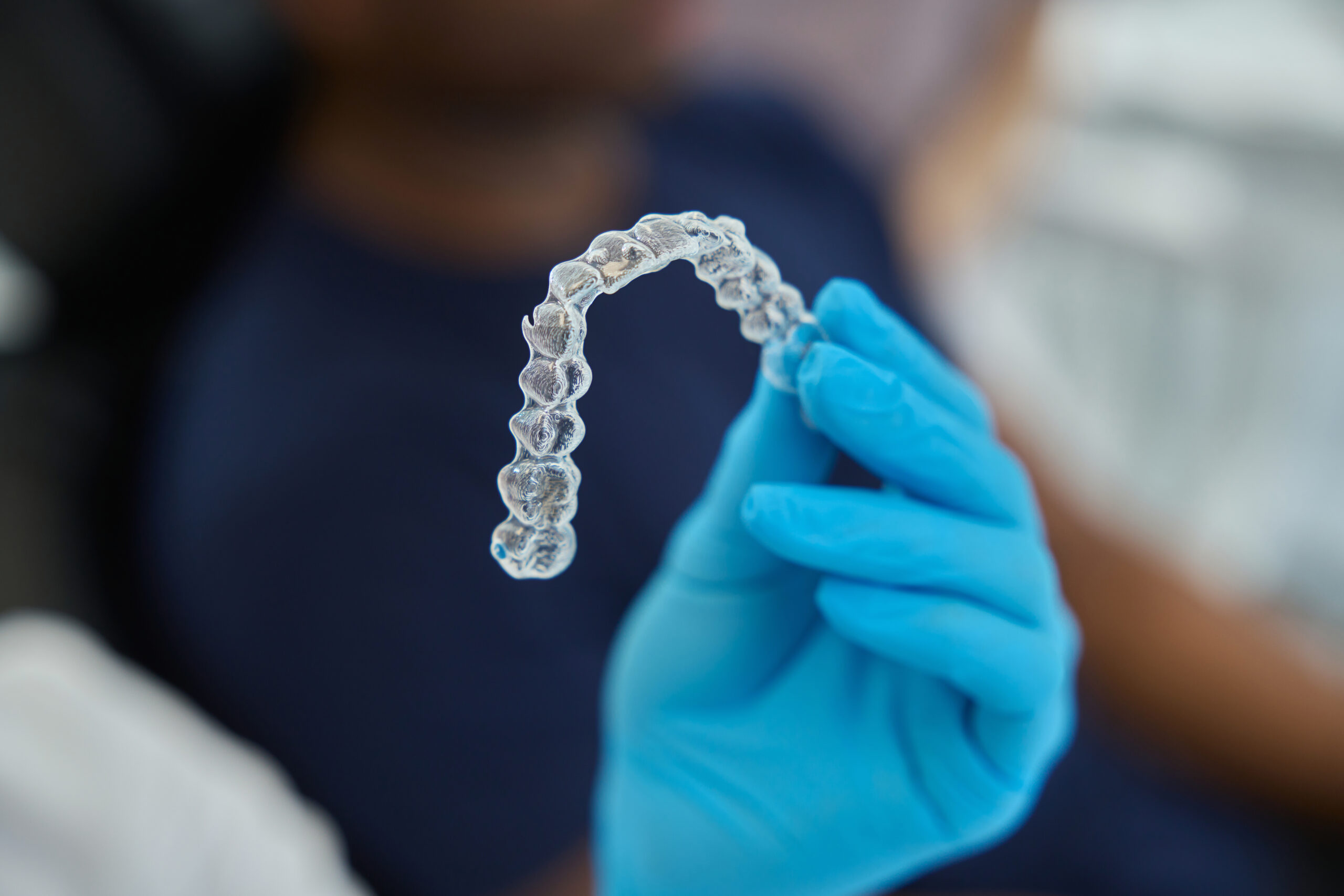
Thinking about a straighter smile without traditional metal braces? Invisalign treatment can be an appealing option for Dallas teens and adults who want a more discreet way to improve their smile.
But before you commit, there are a few things you should know.
Invisalign aligners are removable and nearly invisible, but they still require commitment and daily care. Understanding what to expect can help you decide whether Invisalign treatment fits your smile, lifestyle, and goals.
Here are seven things Dallas patients should consider before getting started.
1. Invisalign Isn’t a “Set It and Forget It” Treatment
One of the biggest misconceptions about Invisalign treatment is that simply receiving your aligners is enough.
It isn’t.
Your aligners need to be worn as directed by your orthodontist. Because they’re removable, you have more responsibility than you would with fixed braces.
For busy Dallas professionals, college students, and teens, this can be a major consideration. If you regularly forget to put your aligners back in after eating or leave them out for long periods, your treatment may not progress as planned.
The takeaway: Invisalign offers flexibility, but flexibility comes with responsibility.
2. You May Need Attachments
Many people imagine Invisalign as simply placing a clear tray over perfectly shaped teeth.
Real treatment can be more involved.
Some patients need small tooth-colored attachments placed on certain teeth. These attachments give the aligners something to grip so they can make specific tooth movements.
They’re designed to blend with your teeth, but you may notice them when looking closely in the mirror.
This doesn’t mean something is wrong with your Invisalign treatment. Attachments are simply one of the tools your orthodontist may use to achieve controlled tooth movement.
3. You Still Need to Think About What You Eat and Drink
One advantage of Invisalign is that you can remove your aligners when eating.
But that doesn’t mean you can forget about them.
Before putting your aligners back in, you’ll need to clean your teeth and the aligners according to your orthodontist’s instructions. Drinking anything other than water while wearing aligners may also require additional consideration.
For Dallas patients who frequently grab coffee between meetings, eat lunch on the go, or enjoy weekend meals with friends, building an aligner routine into your day is important.
A few minutes of planning can make Invisalign treatment much easier to manage.
4. Your Teeth May Feel Pressure
Will Invisalign hurt?
You may experience pressure, tightness, or temporary discomfort when switching to a new set of aligners. That’s generally related to the controlled pressure being used to move your teeth.
The sensation can vary from person to person.
If you’re concerned about discomfort, talk with your orthodontist before starting treatment. Knowing what to expect can make the experience less stressful.
5. Invisalign Isn’t Right for Every Orthodontic Problem
This is one of the most important things to understand.
While Invisalign can treat many common orthodontic concerns, including certain types of crowding, spacing, and bite problems, not every patient is an ideal candidate.
Your orthodontist needs to evaluate your teeth, bite, jaw relationship, and overall orthodontic needs before recommending Invisalign treatment.
That’s why choosing an orthodontic practice—not simply ordering aligners online—is important.
A professional evaluation allows your treatment plan to be customized around your individual smile.
6. Your Treatment Time Can Depend on You
Patients often want to know exactly how long Invisalign treatment will take.
The honest answer is that treatment time varies.
The complexity of your case, how your teeth respond to treatment, and how consistently you follow your orthodontist’s instructions can all affect your progress.
If you don’t wear your aligners as directed or frequently lose them, treatment may take longer than originally anticipated.
Following your treatment plan carefully gives your smile the best opportunity to stay on track.
7. Your Retainers Matter After Treatment
Imagine finally reaching the smile you’ve been working toward—and then discovering that your teeth can shift afterward.
Teeth naturally have a tendency to move over time.
That’s why retainers are an important part of maintaining your results after Invisalign treatment.
Your orthodontist will recommend a retention plan based on your individual needs. Following that plan can help protect the alignment you’ve worked to achieve.
Think of retainers as the maintenance phase of your orthodontic journey.
Is Invisalign Right for You?
If you’re searching for Invisalign treatment in Dallas, don’t make your decision based solely on how invisible the aligners look.
Think about your daily routine.
Are you comfortable wearing aligners consistently? Can you keep up with cleaning? Are you willing to follow your orthodontist’s instructions? And, most importantly, is Invisalign appropriate for your specific orthodontic needs?
At Walnut Central Orthodontics, Dr. Judy Choi evaluates each patient’s smile and creates an individualized treatment plan. A consultation can help you understand whether Invisalign treatment is appropriate for your teeth, bite, and goals.
The office is conveniently located near NorthPark Mall and serves patients from throughout Dallas and surrounding communities.
Frequently Asked Questions
1. Is Invisalign painful?
You may experience some pressure, tightness, or temporary discomfort when starting a new set of aligners. The experience varies between patients.
2. How many hours a day should I wear Invisalign aligners?
Your orthodontist will provide specific instructions based on your treatment plan. Consistent wear is important because aligners can only work while they’re being worn.
3. Can everyone get Invisalign?
No. Invisalign can treat many orthodontic concerns, but suitability depends on factors such as your alignment, bite, and individual treatment needs. An orthodontic evaluation is necessary to determine whether it is appropriate.
4. Can I eat while wearing Invisalign?
Aligners are generally removed for meals. After eating, clean your teeth as recommended and put your aligners back in according to your orthodontist’s instructions.
5. Do I need retainers after Invisalign?
Yes, retention is an important part of maintaining your results. Your orthodontist will recommend a retainer schedule designed for your smile.
The Bottom Line
Invisalign treatment can offer Dallas patients a discreet and convenient approach to orthodontic care, but it isn’t completely effortless.
The aligners need to be worn consistently. You may need attachments. You have to stay on top of cleaning and follow-up appointments. And after treatment, you’ll still need to wear retainers to help maintain your results.
The best way to know whether Invisalign is right for you is to have your smile professionally evaluated.
If you’re considering Invisalign treatment, contact Walnut Central Orthodontics at 214-692-5688 to schedule a consultation with Dr. Judy Choi.


Family-Friendly
Orthodontic Care Starts Here