

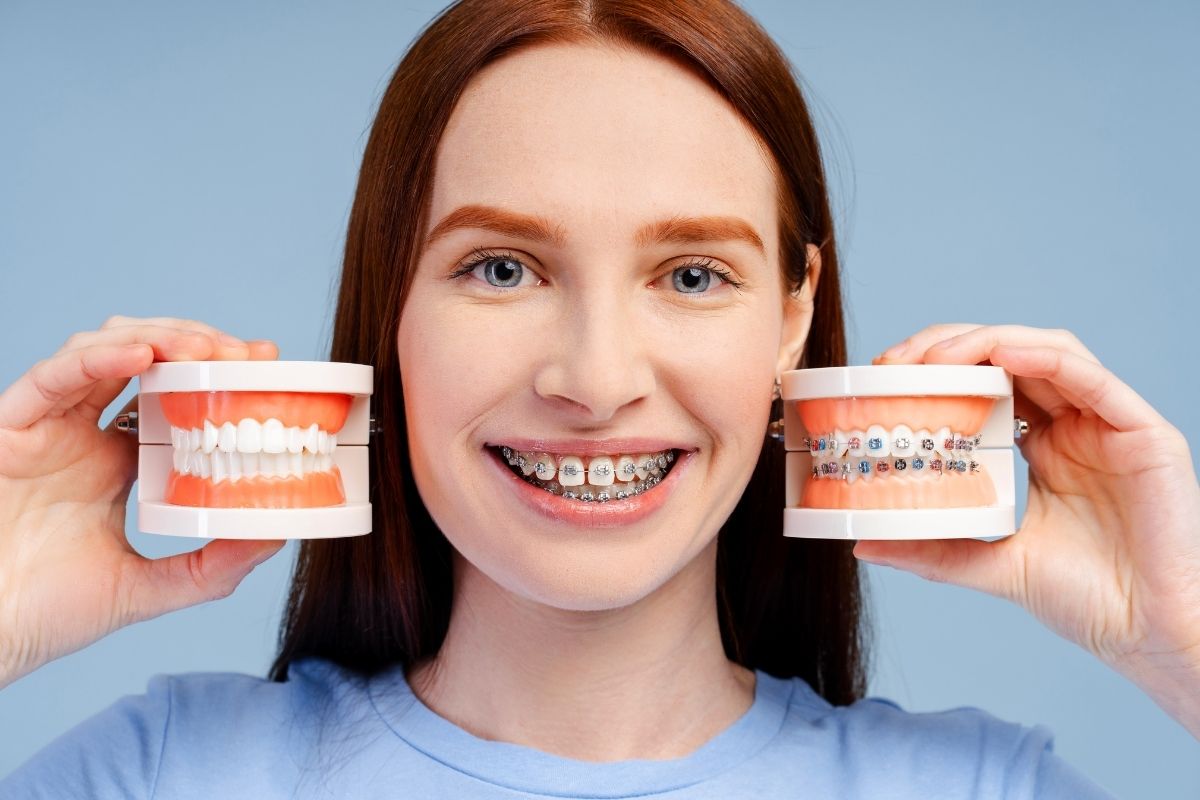
Crowded teeth and bite issues often develop gradually, sometimes over several years, which is why they are frequently underestimated. What may begin as mild overlapping or a slightly uneven bite can progress into concerns that affect oral hygiene, jaw comfort, and overall dental function. In orthodontics, these conditions are considered structural rather than cosmetic, since tooth alignment plays a significant role in how teeth wear over time. It also impacts how the jaw functions during movement, and how comfortably daily activities such as chewing and speaking are performed.
Understanding when braces treatment may be needed begins with recognizing how crowding and bite problems develop and how orthodontic care is structured to address these concerns systematically.
Our office, Walnut Central Orthodontics, is located in Dallas and provides alignment care that is centered on careful diagnosis and treatment outcomes that support stable alignment and functional balance.
As board-certified orthodontists, Dr. Choi and Dr. Meyer provide braces treatment for people with bite-related concerns, with treatment planning based on individual alignment and functional needs. During your visit, we typically focus on evaluating tooth position, bite relationships, and jaw alignment to determine the appropriate timing and approach for orthodontic treatment, rather than assuming immediate intervention is required.
What Causes Crowded Teeth?
Crowded teeth occur when the jaw does not have enough space to accommodate all teeth in proper alignment. This can result in overlapping, rotation, or teeth being pushed out of position. Genetics often plays a role, particularly when jaw size and tooth size are mismatched. Early loss of baby teeth or delayed eruption of permanent teeth may also contribute to crowding.
Over time, natural tooth movement can worsen crowding, especially in adulthood, making routine oral hygiene more difficult. Orthodontics addresses these spacing challenges by guiding teeth into positions that support both alignment and function.
Common Types of Bite Issues
Bite issues, clinically referred to as malocclusions, describe how the upper and lower teeth come together. Some of the most commonly identified bite concerns include:
- Overbite, where the upper teeth extend too far over the lower teeth
- Underbite, where the lower teeth sit in front of the upper teeth
- Crossbite, where some upper teeth sit inside the lower teeth
- Open bite, where the front teeth do not meet when biting down
These conditions can lead to uneven pressure on teeth and jaw joints, which may contribute to tooth wear, jaw strain, or difficulty chewing. Alignment treatment is often recommended to improve how the bite functions as a whole rather than focusing on tooth position alone.
Signs That an Orthodontic Evaluation May Be Helpful
Dental alignment concerns are not always obvious. Teeth may appear relatively straight while underlying bite issues remain present. Some common signs that prompt people to seek an orthodontist include difficulty flossing due to tight spacing, frequent cheek or lip biting, jaw discomfort, or teeth that appear to be shifting over time.
In children and teens, early orthodontic evaluations are often suggested to monitor jaw growth and tooth eruption. In adults, treatment is frequently considered after years of adapting to crowding or bite imbalance that has gradually worsened.
How Treatment Helps
Orthodontic appliances work by applying controlled pressure to guide teeth into improved alignment over time. This process creates space where crowding exists and encourages a more balanced bite relationship. Orthodontic treatment planning considers tooth movement, jaw position, and bite function to support stable results after active treatment is completed.
As alignment improves, patients often experience better bite function and easier oral hygiene, which can contribute to overall dental health.
When Braces Are Commonly Recommended
Braces are commonly recommended when crowding or bite issues interfere with proper cleaning, affect comfort, or place excess stress on certain teeth or jaw areas. In some cases, treatment is suggested to prevent future complications rather than to correct current discomfort.
Orthodontics is not limited by age, and treatment plans are regularly developed for adults whose teeth have shifted or whose bite has changed over time.
The Role of a Professional Evaluation
An evaluation allows an orthodontist to assess tooth alignment and bite relationships using diagnostic tools such as digital imaging and X-rays. This process helps identify concerns that may not be visible to the naked eye and provides guidance on whether orthodontic treatment is appropriate at the present time or may be considered in the future.
Even when treatment is not immediately recommended, an evaluation can offer clarity and establish a baseline for monitoring changes in alignment over time. For individuals in the Dallas area who would like a professional assessment, our orthodontic team is available to schedule an initial consultation to help determine whether now is an appropriate time to begin treatment.
Deciding If Braces Are the Right Next Step
Crowded teeth and bite issues often progress gradually, making it difficult to recognize when alignment care may be beneficial. While not every alignment concern requires immediate treatment, understanding how these conditions affect oral function can help guide future decisions.
Our office is located in North Dallas, making it convenient for individuals seeking orthodontic care in the surrounding area. We are open on weekdays until 5:00 pm and are available to assist with questions or scheduling needs during those hours.


Family-Friendly
Orthodontic Care Starts Here