


Clear aligner treatment has become a popular option for straightening teeth, especially for adults and teens who want the flexibility of removable trays without brackets or wires. Even so, many people wonder what happens if aligners are not worn as planned or if treatment stops earlier than expected.
In Dallas, daily life can be demanding. Long work hours, commuting, travel, family obligations, and unexpected changes in routine can all make it harder to stay consistent with aligner wear. Questions often come up after a few trays are missed or after aligners are set aside for longer than intended.
At Walnut Central Orthodontics, Invisalign aligner treatment is planned with real schedules and real challenges in mind. Understanding how treatment works and what happens when it is interrupted helps patients make informed decisions rather than guessing or worrying unnecessarily.
This article explains what may happen if aligner treatment is stopped too soon, what options may still be available, and when professional guidance can help protect the progress already made.
How Aligner Treatment Is Designed to Work
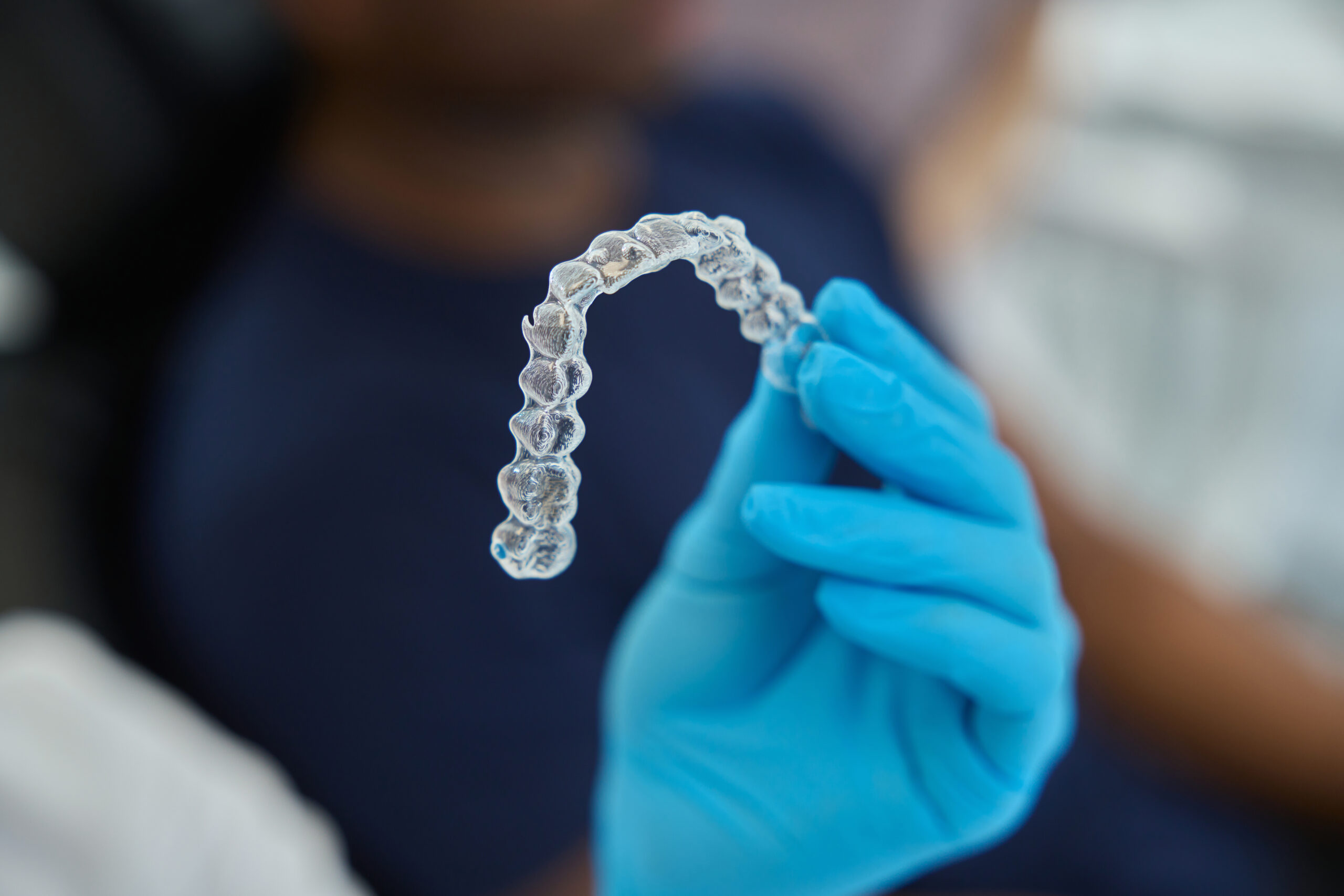
Invisalign treatment works through a sequence of carefully planned steps. Each aligner is designed to move teeth slightly, guiding them into healthier positions over time. These small movements rely on consistent wear so that teeth and supporting bone can adjust gradually.
Each stage builds on the previous one. When aligners are worn as directed, teeth can adapt before moving forward. If aligners are skipped or treatment is interrupted, that sequence can be disrupted, making movement less predictable.
Clear communication and regular check-ins play an important role in keeping treatment on track, especially when routines change or challenges come up along the way.
Common Reasons People Stop Wearing Aligners Too Soon
Most people do not intentionally stop treatment. It often happens because circumstances that seem manageable at first add up over time. Some common reasons include:
- Soreness or pressure during the early stages
- Busy work schedules or changing shifts
- Travel or relocation
- Forgetting aligners during meals or social events
- Underestimating how much wear time matters
- Changes in insurance or financial planning
These situations are common, particularly for adults balancing professional and personal responsibilities. What matters most is knowing how to respond once wear becomes inconsistent.
What Can Happen If Aligner Treatment Stops Early
Stopping the treatment before completion does not automatically undo all progress, but it can lead to several issues if left unaddressed.
Teeth May Begin to Shift Back
Teeth are supported by bone and soft tissue that need time to stabilize. When aligners are no longer worn, teeth may begin to drift back toward their original positions. This movement can occur faster than expected, especially if treatment is stopped mid-stage.
Bite Balance Can Be Affected
Invisalign also influences how upper and lower teeth fit together. Ending treatment early can leave the bite uneven, which may cause chewing discomfort or tension around the jaw.
Treatment May Take Longer Later
If aligner treatment is restarted after a long break, additional planning or adjustments may be needed. Some patients only require minor refinements, while others benefit from a more structured restart. Addressing concerns early often reduces the amount of correction required later.
Is It Ever Okay to Pause Aligner Treatment?
There are situations where a temporary pause may be manageable, but this depends on timing and professional input. A short interruption that is evaluated and guided is different from stopping aligners entirely without assessment.
Changes in routine, travel, or health concerns sometimes require flexibility. Checking in with an orthodontic provider allows treatment plans to be adjusted safely rather than guessing how long a pause might be acceptable.
What to Do If You’ve Already Stopped Wearing Your Aligners
If aligners have not been worn for a while, it is important not to force trays that no longer fit comfortably. This can lead to unnecessary discomfort or damage. A more practical approach includes:
- Setting aside aligners that feel tight or painful
- Avoiding online shortcuts or at-home fixes
- Scheduling an orthodontic evaluation to assess the current alignment
Many people are surprised to learn that even after a break, treatment options remain available. A professional assessment provides clarity and helps outline realistic next steps.
Can Aligner Treatment Be Restarted?
In many cases, Invisalign treatment can be resumed. Restarting usually involves updated scans and a revised plan based on current tooth positions. The approach depends on how much movement has occurred since the aligners were last worn.
Orthodontist-guided systems such as Invisalign allow treatment plans to be adjusted with precision. Ongoing supervision helps ensure that movement remains controlled and comfortable throughout treatment.
Why Orthodontist-Supervised Treatment Matters
Clear aligners work best when monitored by a professional. Supervision allows tooth movement and bite alignment to be evaluated throughout treatment. If aligners stop fitting properly or progress slows, adjustments can be made before larger issues develop.
This guidance becomes especially important when treatment does not go exactly as planned. Professional oversight helps maintain balance and direction rather than relying on trial and error.
Providing Aligner Care for the Dallas Community
Aligner treatment in Dallas often needs to fit around demanding schedules and active lifestyles. Many patients are balancing long workdays, school commitments, family activities, and frequent travel, which can make consistency challenging.
At Walnut Central Orthodontics, aligner care is designed to stay flexible without losing direction. Our office has extensive experience with Invisalign, having successfully treated over 5,000 cases and earning recognition as a Diamond Plus Invisalign Provider in the area. This depth of experience allows treatment plans to be adjusted thoughtfully when aligner wear is interrupted, keeping decisions practical and focused on the patient’s situation rather than a one-size approach. If you are in the Dallas area and considering restarting or adjusting your aligner treatment, you can contact our team at (214) 692-5688 to discuss next steps and schedule an evaluation.
When to Consider an Evaluation
It may be time to schedule an evaluation if any of the following apply:
- Aligners no longer fit comfortably
- Teeth appear to be shifting backward
- Chewing feels uneven or uncomfortable
- Treatment has been paused without guidance
Early evaluation often provides reassurance and helps prevent avoidable complications. Having access to orthodontic care close to home makes it easier to stay informed and supported throughout treatment.
Stay Committed For A Beautiful Smile
Stopping aligner treatment early does not mean progress is lost forever, but it does make guidance more important. Understanding how aligners work and knowing when to seek professional input helps protect results and comfort.
For those in Dallas dealing with paused or interrupted aligner treatment, a consultation can provide clarity without pressure. Our office is located near the Central Expressway and welcomes patients of all ages from across the Dallas area. Having access to experienced orthodontic care close to home makes it easier to move forward with confidence and continue treatment without unnecessary delays.
Frequently Asked Questions
Will my teeth move back if I stop wearing aligners?
Teeth can shift when treatment is stopped early, especially if aligners or retainers are not worn consistently. The amount of movement varies by individual.
Can aligner treatment still work after a break?
In many cases, yes. Updated planning allows treatment to continue based on the current alignment.
How long can aligner treatment be paused?
This depends on the stage of treatment and individual factors. An orthodontic evaluation provides the most accurate guidance.
Can I switch providers during aligner treatment?
It is possible, though dental and medical records, along with a new professional assessment, are typically required to continue treatment safely.


Family-Friendly
Orthodontic Care Starts Here