


A straight smile is about much more than appearance. When your bite doesn’t line up properly, everyday activities like chewing, speaking, and even brushing your teeth can become more challenging. If you’ve been wondering whether Invisalign can fix severe bite problems, you’re not alone. Many adults and teens prefer clear aligners over traditional braces, but they often question whether Invisalign is effective for more complex orthodontic issues.
The good news is that Invisalign technology has advanced significantly over the years. Today, many severe bite problems that once required only braces can now be treated successfully with Invisalign—provided the treatment is planned by an experienced orthodontist.
Understanding Severe Bite Problems
A bite problem, also known as a malocclusion, occurs when your upper and lower teeth don’t fit together properly. While some bite issues are mild, others are more complex and may affect your oral health and overall comfort.
Some of the most common severe bite problems include:
- Deep bite
- Overbite
- Underbite
- Crossbite
- Open bite
- Severe crowding
- Significant spacing between teeth
These conditions can lead to uneven tooth wear, jaw discomfort, difficulty chewing, speech concerns, and an increased risk of cavities or gum disease.
Can Invisalign Fix Severe Bite Problems?
The short answer is yes—in many cases, Invisalign can fix severe bite problems.
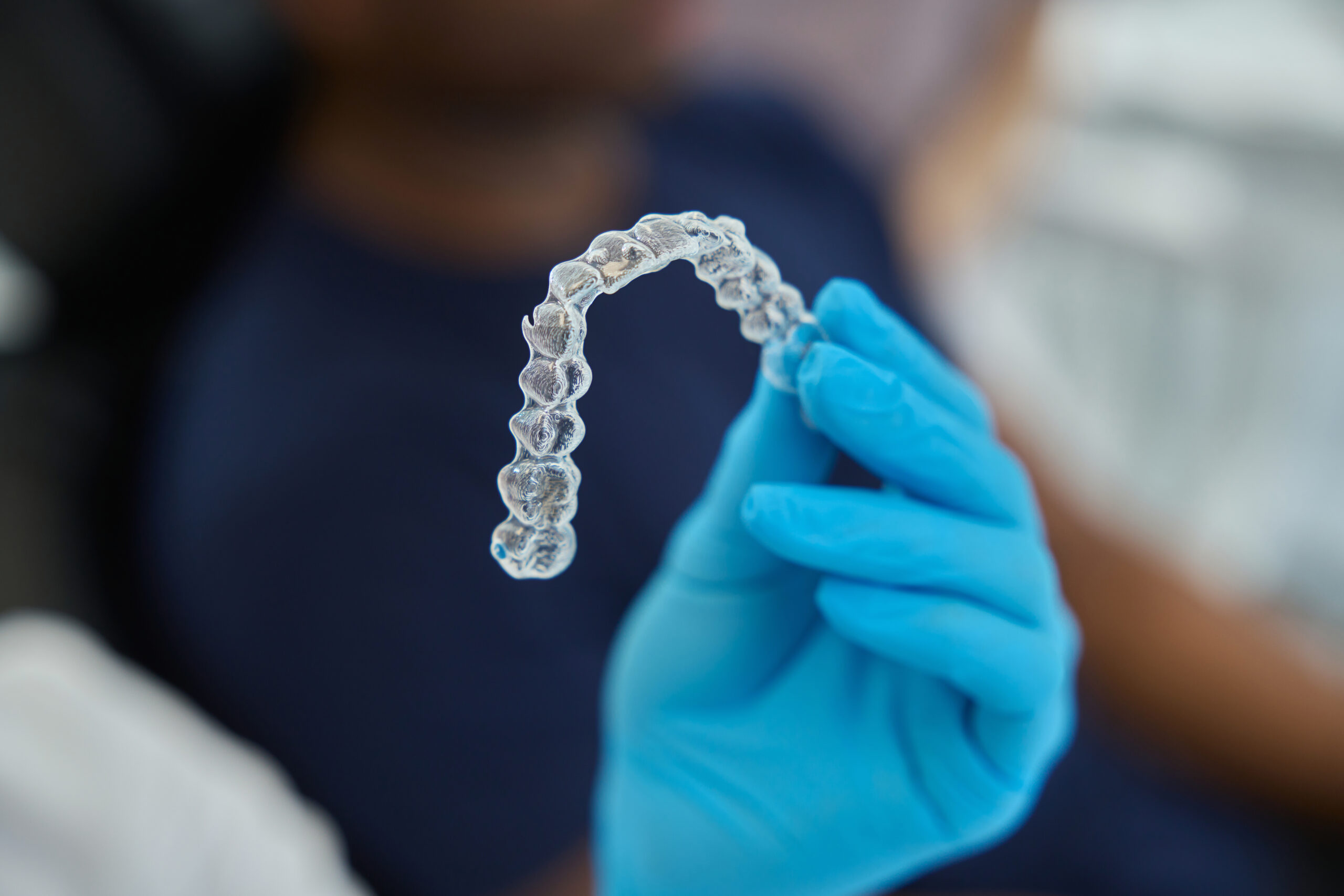
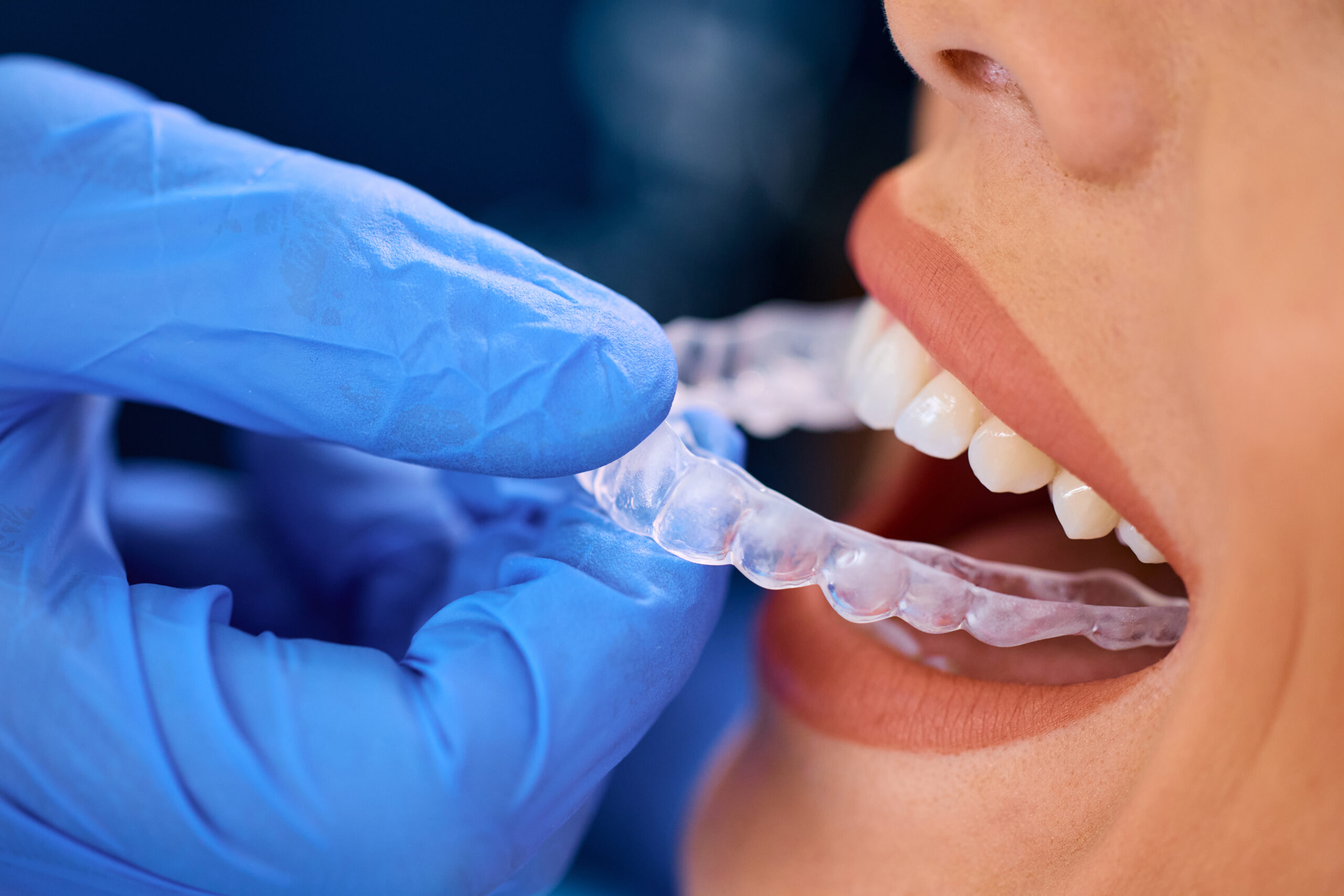
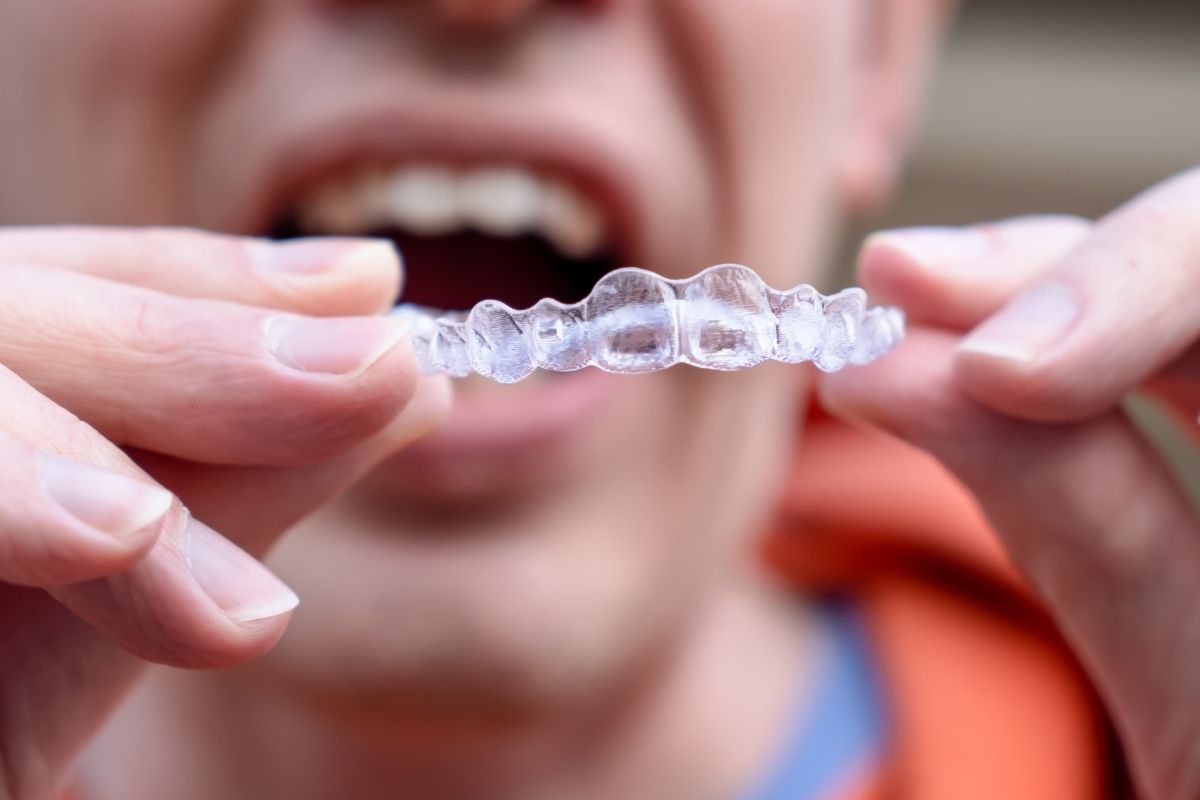
Modern Invisalign treatment uses custom-made clear aligners, advanced 3D digital planning, and specialized attachments that help move teeth with impressive precision. Depending on your condition, Invisalign may also be combined with elastics or other orthodontic techniques to improve bite alignment.
However, every smile is unique. Some complex cases may still require traditional braces or a combination of orthodontic treatments. That’s why a comprehensive evaluation by an orthodontic specialist is essential before deciding on the best treatment option.
Which Bite Problems Can Invisalign Treat?
| Bite Problem | Can Invisalign Help? | Notes |
|---|---|---|
| Overbite | Yes | Often treated successfully with aligners and elastics. |
| Underbite | Yes (many cases) | Depends on severity and jaw alignment. |
| Crossbite | Yes | Early treatment often produces excellent results. |
| Open Bite | Yes | Many mild to moderate cases respond well. |
| Deep Bite | Yes | Careful treatment planning is important. |
| Severe Crowding | Yes | Tooth movement may require additional techniques. |
What Makes Invisalign Effective Today?
Many people still associate clear aligners with simple cosmetic corrections, but today’s Invisalign system is much more advanced than it was years ago.
Some reasons why Invisalign can fix severe bite problems include:
- Digital treatment planning with 3D imaging
- Customized aligners designed specifically for your teeth
- SmartForce® attachments that improve tooth movement
- Precision bite ramps for certain bite corrections
- Elastic wear when additional jaw guidance is needed
- Regular monitoring throughout treatment
These innovations allow orthodontists to guide complex tooth movements with remarkable accuracy.
Benefits of Choosing Invisalign
Patients often choose Invisalign because it fits more comfortably into their daily routines.
Some advantages include:
- Nearly invisible appearance
- Removable during meals
- Easier brushing and flossing
- No food restrictions
- Smooth plastic material for greater comfort
- Fewer emergency visits compared to traditional braces
For working professionals, college students, and busy families, Invisalign offers a convenient way to improve both smile aesthetics and bite function.
When Braces May Still Be the Better Choice
Although Invisalign can fix severe bite problems in many situations, there are cases where braces remain the most predictable treatment.
These may include:
- Extremely severe jaw discrepancies
- Teeth that require significant rotation
- Impacted teeth
- Certain surgical orthodontic cases
- Patients who cannot consistently wear aligners for 20–22 hours each day
An experienced orthodontist will recommend the treatment that provides the healthiest long-term outcome—not simply the most popular option.
Why Experience Matters
Successful Invisalign treatment depends just as much on the orthodontist as it does on the aligners themselves.
Dr. Judy Choi is committed to creating personalized orthodontic treatment plans that address each patient’s unique smile goals and oral health needs. By combining advanced technology with individualized care, Dr. Choi focuses on achieving healthy, functional bites alongside beautiful smiles.
AtWalnut Central Orthodontics, every treatment plan begins with a detailed examination, digital imaging, and a discussion of your goals. Whether you’re considering Invisalign or traditional braces, you’ll receive recommendations based on what is best for your specific condition—not a one-size-fits-all approach.
If you’re wondering whether Invisalign is right for you, contact Walnut Central Orthodontics at +1 214-692-5688 to schedule a consultation and learn about your treatment options.
Trusted Resources for Orthodontic Care
When researching orthodontic treatment, it’s important to rely on credible, evidence-based information. These respected U.S. organizations provide educational resources for patients:
- American Association of Orthodontists (AAO) – Offers guidance on orthodontic treatment, bite problems, and patient care.
- American Dental Association (ADA) – Provides trusted oral health information and educational resources.
- National Institute of Dental and Craniofacial Research (NIDCR) – A U.S. government research institute dedicated to advancing dental and craniofacial health.
- Centers for Disease Control and Prevention (CDC) – Oral Health Division – Shares preventive oral health recommendations and public health guidance.
These organizations help patients make informed decisions based on current research and clinical best practices.
Frequently Asked Questions
1. Can Invisalign fix severe bite problems without braces?
In many cases, yes. Modern Invisalign technology can successfully correct numerous severe bite problems, although some complex cases may still benefit from traditional braces or combined orthodontic treatment.
2. How long does Invisalign take to correct bite problems?
Treatment time varies depending on the severity of the bite issue. Many patients complete treatment within 12 to 24 months, while more complex cases may require additional time.
3. Is Invisalign painful for severe bite correction?
Most patients experience mild pressure for the first few days after switching to a new set of aligners. This usually improves quickly as the teeth begin adjusting.
4. Will I need to wear rubber bands with Invisalign?
Possibly. Orthodontic elastics are commonly used alongside Invisalign to help guide the bite into proper alignment for certain conditions.
5. How do I know if Invisalign is right for my bite problem?
The only way to know for sure is through a comprehensive orthodontic evaluation. Digital imaging and a clinical examination allow your orthodontist to determine whether Invisalign is the most effective treatment for your specific needs.
Final Thoughts
Advancements in orthodontic technology have made it possible for Invisalign can fix severe bite problems that once required more traditional treatment methods. From overbites and crossbites to crowding and deep bites, Invisalign continues to help patients achieve healthier, more functional smiles with greater comfort and convenience.
If you’re experiencing bite issues or have been told you may need orthodontic treatment, scheduling a professional evaluation is the best first step. At Walnut Central Orthodontics, Dr. Judy Choi and the team are dedicated to providing personalized care using the latest orthodontic techniques to help every patient achieve a confident, healthy smile.
If you’re wondering whether Invisalign is right for you, contact Walnut Central Orthodontics at +1 214-692-5688 to schedule a consultation and learn about your treatment options.
Family-Friendly
Orthodontic Care Starts Here