

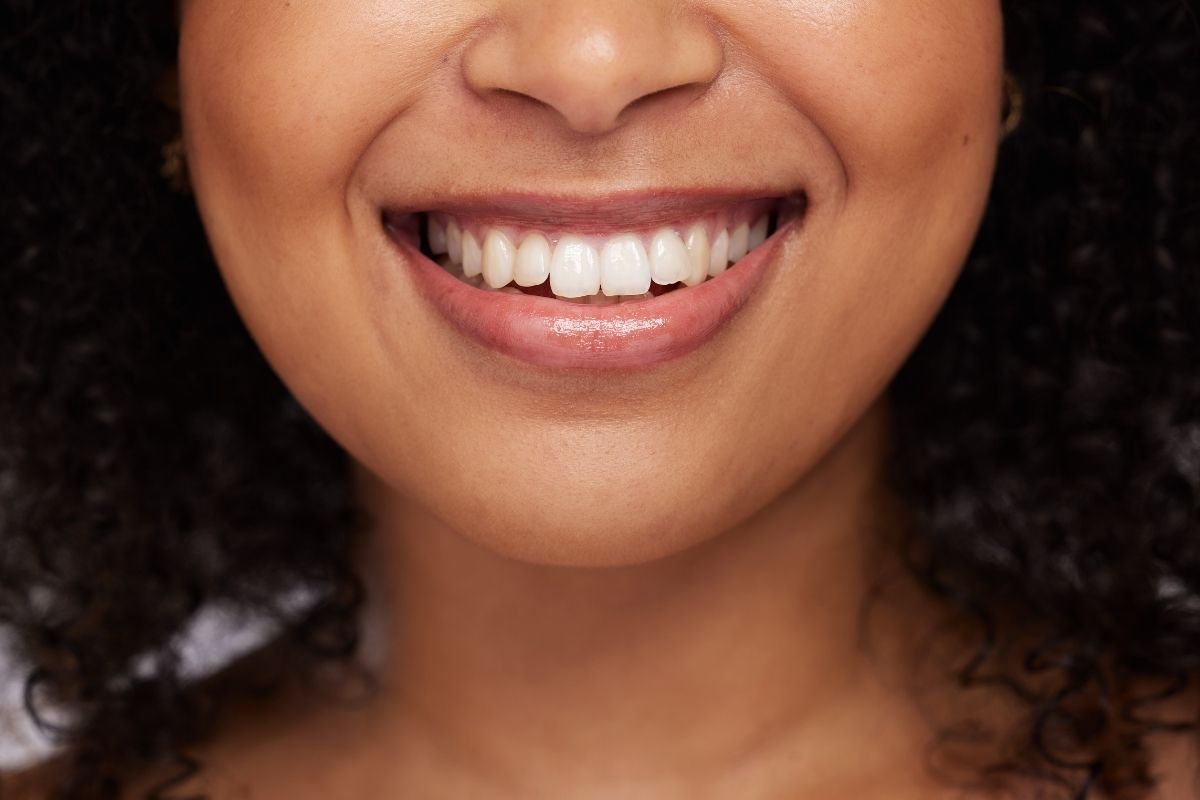
Crooked teeth are often seen as a cosmetic concern, but their position can influence how teeth function every day. Many people stay consistent with brushing, flossing, and routine dental visits, yet still hear about signs of wear such as slight chipping, flattened edges, or increased sensitivity. In these situations, the alignment of the teeth and bite is often something we take a closer look at from an orthodontic perspective.
When teeth are not aligned properly, the way they come together during biting and chewing can place uneven pressure on certain areas. Over time, this can contribute to gradual tooth wear that may not be immediately noticeable.
At Walnut Central Orthodontics, we regularly evaluate how tooth position and bite patterns affect overall dental health. With two board-certified orthodontists on our team, we focus on addressing dental misalignment for individuals of all age groups experiencing day-to-day concerns related to their bite and alignment.
In this guide, we explain what tooth wear is, how crooked teeth can contribute to it, and what options may be considered before choosing orthodontic treatment.
What Is Tooth Wear and Why Does It Matter?
Tooth wear refers to the gradual loss of the outer surface of a tooth. While cavities are often considered the main concern, wear is a different type of damage. It develops through physical or chemical processes rather than bacteria alone.
There are three main types:
- Attrition: This occurs from tooth-to-tooth contact. It is commonly associated with bite issues or grinding habits.
- Abrasion: This type of wear is caused by external friction, such as brushing too aggressively or biting hard objects.
- Erosion: This involves the chemical breakdown of enamel, often associated with acidic foods and beverages, as well as conditions like acid reflux.
One of the reasons tooth wear deserves attention is that enamel does not regenerate. Once it is lost, it cannot be restored naturally. As enamel becomes thinner, teeth may become more sensitive and more prone to cavities, discoloration, and structural changes such as chipping or cracking.
Early signs can be subtle and are often overlooked. You may notice:
- Teeth appearing shorter or more flattened than before
- Increased sensitivity to hot, cold, or sweet foods
- Small chips along the edges of the front teeth
- A dull or slightly yellow appearance as the underlying dentin becomes more visible
Recognizing these changes early helps in understanding what may be contributing to the wear and how it can be managed moving forward.
How Crooked Teeth Contribute to Tooth Wear
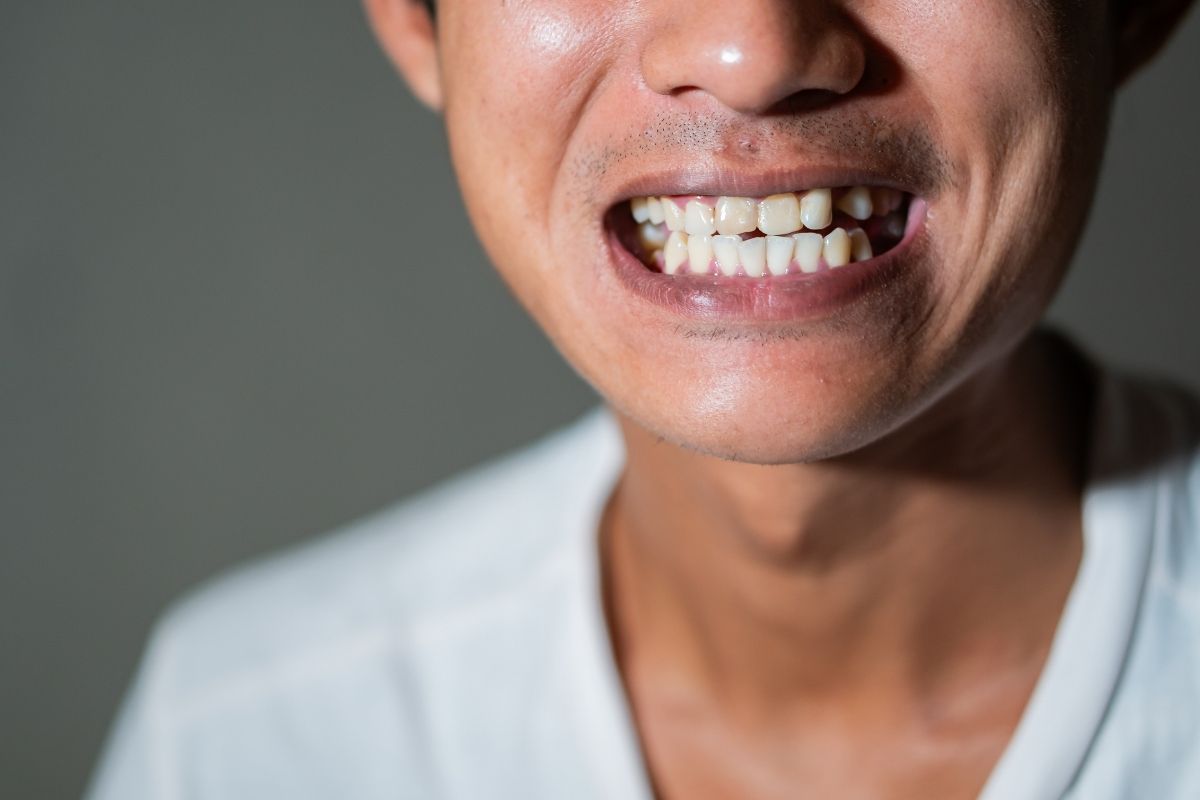
When teeth are aligned properly, biting forces are distributed evenly across the mouth. Each tooth shares the load in a balanced way. When teeth are crooked, crowded, or the bite is not aligned, that balance is affected. Certain teeth begin to take on more pressure than they are meant to handle.
Here are some of the ways this can lead to tooth wear:
Uneven Pressure on Specific Teeth
A misaligned bite does not spread chewing forces evenly. Instead, certain teeth absorb more pressure during everyday activities like chewing or clenching. Over time, this repeated stress can wear those teeth down faster than others.
Unintended Contact Between Teeth
Teeth that are not aligned properly may come into contact in ways they should not. This can lead to surfaces rubbing or grinding against each other, gradually wearing down the enamel.
Grinding and Clenching (Bruxism)
Bite irregularities can sometimes contribute to clenching or grinding, especially during sleep. This ongoing pressure increases the rate of enamel wear and may go unnoticed for long periods.
Difficulty Cleaning Crowded Areas
Crowded or overlapping teeth can make brushing and flossing less effective. Plaque buildup in these areas can contribute to enamel breakdown, adding to the effects of mechanical wear.
Increased Risk of Chipping
Teeth that are positioned outward or unevenly may be more exposed to everyday impact. Combined with uneven pressure, this can increase the likelihood of small chips or cracks over time.
Who Is Most at Risk?
Tooth wear related to misalignment often develops gradually. In many cases, noticeable changes appear only after some level of damage has already occurred.
Those more likely to experience this include:
- Adults with long-standing crowding or spacing issues: When alignment concerns remain unaddressed over time, the effects of uneven pressure can accumulate.
- Individuals with bite irregularities: Conditions such as overbite, underbite, crossbite, or open bite can create uneven contact between teeth, increasing the risk of wear.
- People who grind or clench their teeth: Ongoing grinding, especially without a clear cause like stress, may be linked to how the teeth come together.
- Teens and young adults with untreated alignment concerns: When misalignment occurs during development and goes unaddressed, it can lead to years of gradual wear.
- Those who have already noticed changes: Signs such as flattened edges, small chips, or new sensitivity may indicate that wear is already in progress.
Can Orthodontic Treatment Help Reduce Tooth Wear?
In many cases, orthodontic treatment plays an important role in managing tooth wear, especially when misalignment is a major contributing factor.
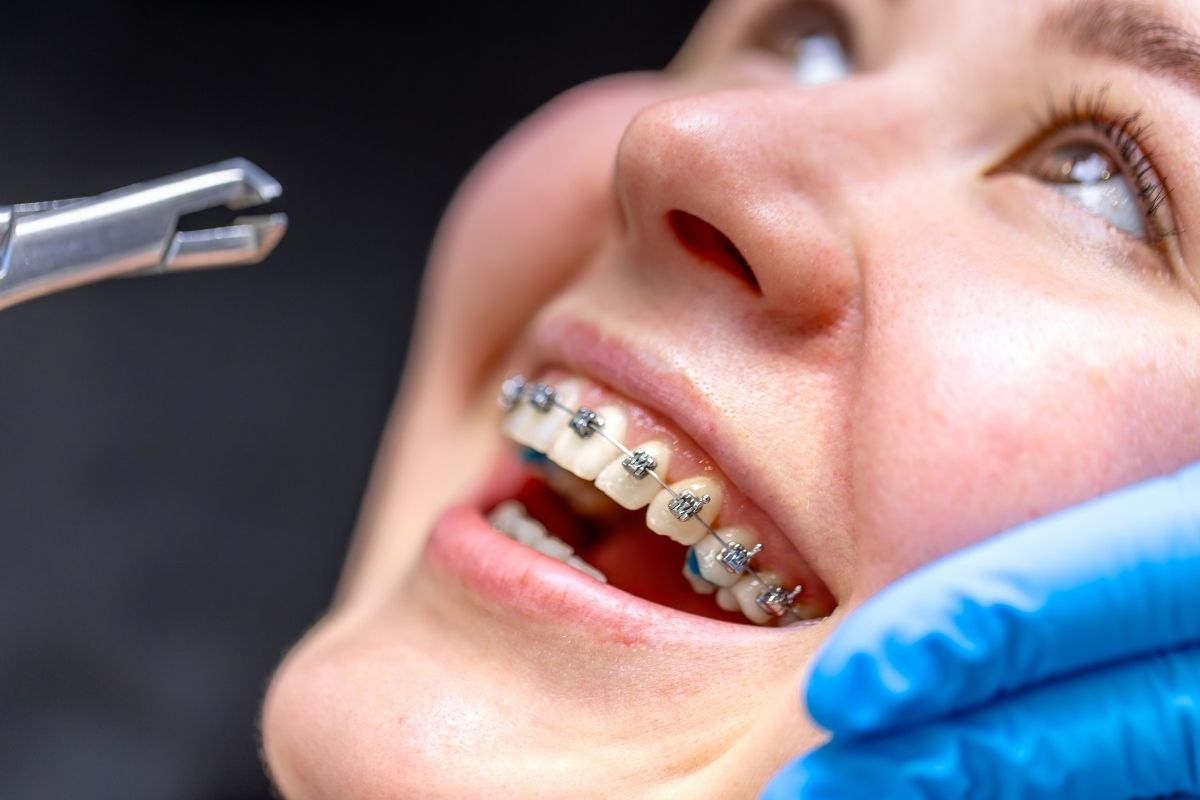
Orthodontic care focuses on repositioning the teeth and improving how the upper and lower teeth come together. As alignment improves, the bite becomes more balanced and functional. It is important to note that this approach is aimed at preventing further wear rather than reversing existing damage. Enamel that has already been lost does not regenerate; however, correcting alignment can help protect the remaining tooth structure and reduce the risk of additional damage over time.
For individuals in the North Dallas area, our office offers a complimentary initial consultation, giving you the opportunity to meet our team and determine whether treatment is right for you. To learn more, we encourage you to contact our office at (214) 692-5688.
Other Ways to Protect Your Enamel
While orthodontic care focuses on correcting alignment, daily habits can help slow enamel wear and support overall oral health along the way:
- Use a soft-bristle toothbrush and fluoride toothpaste: Fluoride helps strengthen enamel and makes it more resistant to wear.
- Wait before brushing after acidic foods or drinks: Giving it about 30 minutes allows enamel to re-harden before brushing.
- Stay hydrated: Saliva helps neutralize acids and provides a protective layer for teeth.
- Consider a nightguard if you grind your teeth: This can help reduce the impact of clenching or grinding, particularly during sleep.
- Keep up with regular dental visits: Routine checkups help monitor wear patterns and identify changes early.
What to Expect at a Consultation at Walnut Central Orthodontics
If any of this sounds familiar, whether you have noticed signs of wear, your dentist has mentioned it, or you are questioning how your bite may be affecting your teeth, a consultation can help bring clarity. At our office, the first visit is complimentary.
Here is what the process typically includes:
- A detailed exam along with digital X-rays
- Advanced 3D imaging and a smile simulation to help visualize potential outcomes
- A review of your bite, including any visible wear patterns and possible contributing factors
- A personalized treatment approach based on your specific needs
- Clear information about timelines, costs, and available payment options
We work with individuals across different age groups, including children, teens, and adults. Most major insurance plans are accepted, and flexible payment options are available to make care more manageable.
The office is located in North Dallas at 9669 N Central Expressway, making it accessible for those in the surrounding communities.
Looking Beyond Appearance
Crooked teeth are not only a cosmetic concern. Misalignment can affect how pressure is distributed across the teeth, how surfaces come into contact, and how easily teeth can be cleaned. Over time, these factors can contribute to gradual enamel wear.
Unlike some conditions, tooth wear does not reverse on its own. It tends to progress if the underlying cause is not addressed. Recognizing the role of alignment early can help limit further changes and protect the remaining tooth structure.
Orthodontic care today is more refined and adaptable than many expect, with options designed to fit different needs and preferences. Understanding how your bite functions is an important step in deciding what, if anything, should be done next.

Family-Friendly
Orthodontic Care Starts Here