

Dallas moves fast. Between school runs, work commutes stretching across I-635, and weekends that somehow fill up before Monday even arrives, most people here are not exactly waiting around. So when something feels off with your braces, the first question that comes to mind usually is not “what broke?” It is more like: “Does this mean I am going to be in these longer than I planned?”
That is a fair concern, and it deserves a real answer.
A broken bracket or a wire that has slipped out of place is one of the more common issues during orthodontic treatment. It does not make you careless, and it does not mean your progress is ruined. But it does matter, and understanding why will help you decide how quickly to act.
What “Broken Braces” Actually Means
When people say their braces broke, they usually mean one of a few things:
- A bracket has come loose from the tooth surface
- A wire has snapped, bent, or slipped out of the tube at the back
- A rubber band or ligature tie has come off
- A band around a molar has loosened
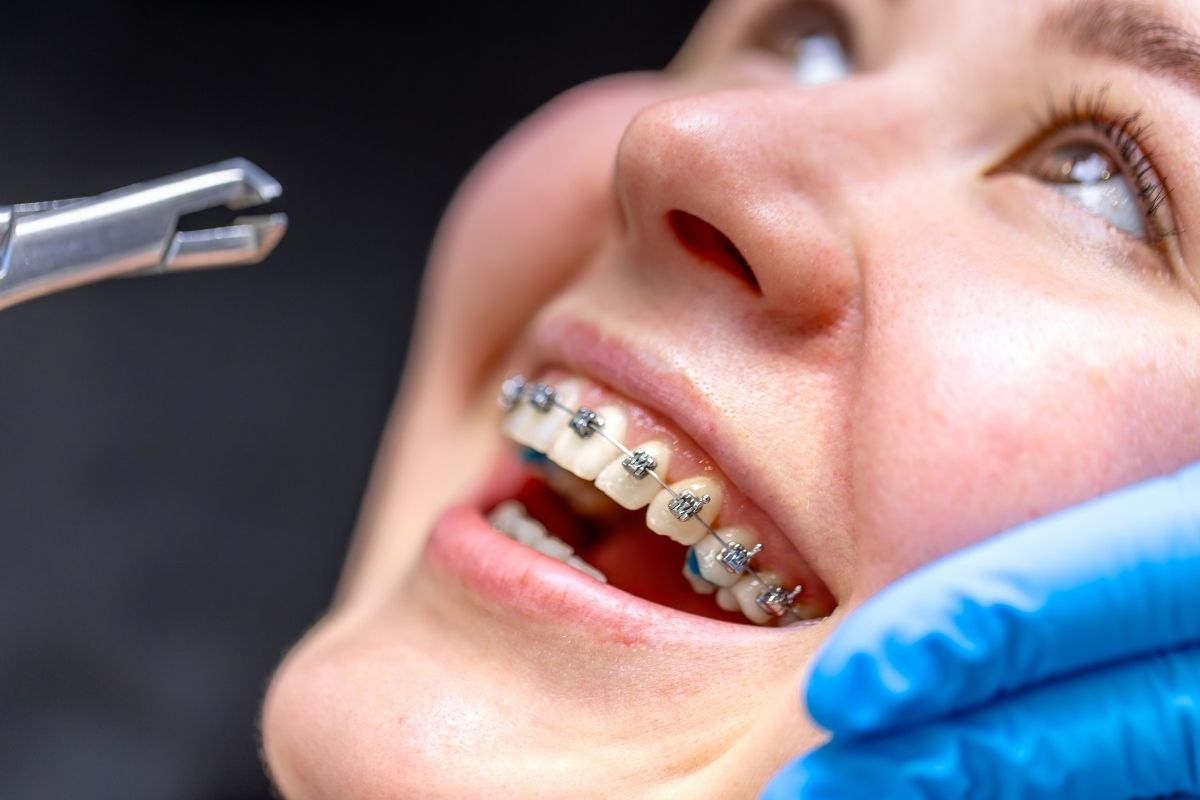
Brackets are the small squares bonded directly onto each tooth. Their job is to hold the wire and guide the tooth in a specific direction. When a bracket comes off, that tooth essentially stops receiving the pressure it needs to move. The surrounding teeth may continue shifting, but without that bracket in place, coordination is lost.
A loose wire, on the other hand, may still be doing some work, or it may have completely disengaged. Sometimes a popped wire will start poking into your cheek or gum, which can quickly go from uncomfortable to irritating in hours.
Are you facing issues related to braces?
Our office is located in Dallas along the US-75 corridor, and our orthodontists, Dr. Choi and Dr. Meyer, are always ready to support your journey with a conservative approach. If broken braces are affecting your daily routine, we encourage you to call us at (214) 692-5688 to arrange a quick visit.
Will It Actually Add Time to Your Treatment?
Here is the honest answer: it depends.
A single broken bracket that gets repaired promptly, especially at your next scheduled visit, is unlikely to affect your overall timeline in any meaningful way. Orthodontic treatment works in stages, and each stage has some built-in flexibility.
Things become more complicated when the issue goes unaddressed for a while. If a bracket is off for several weeks, that tooth has essentially been sitting idle while everything else continues to shift. When the bracket is reattached, the tooth may need time to catch up, which can require additional adjustments or even extend a phase of treatment.
The same applies to wires. A wire that has completely come out of its back attachment is not exerting any force. A few days are unlikely to matter. A few weeks can make a difference.
In short, prompt repairs usually mean no added time. Delayed repairs sometimes do.
Factors That Influence Your Timeline
Broken hardware is just one part of the picture. Many factors influence how long treatment takes:
- Tooth movement response: Everyone’s biology is different. Some teeth move quickly and settle well, while others need more time and consistent pressure.
- Consistency with removable components: If you are prescribed rubber bands or retainers, how consistently you wear them matters. Missed hours add up over time.
- Complexity of the case: Mild crowding and significant bite issues require very different approaches. More complex cases come with more variables.
- Frequency of breakages: One broken bracket over two years is minor. Repeated breakages, especially on the same teeth, can slow progress.
- Appointment attendance: Skipping or delaying appointments interrupts progress. Each visit is a step forward.
What to Do When Something Breaks
If something breaks, here is how to handle it:
- Call your orthodontist’s office first. They can guide you on whether it needs immediate attention or can wait until your next visit.
- Pay attention to discomfort. The urgency depends on what broke, where it is, and whether it is causing irritation or pain.
- Use orthodontic wax for relief. If a wire is poking your cheek or gum, place a small piece of wax over the sharp end. This helps reduce irritation and is safe to use.
- Avoid trying to fix it yourself. Do not bend the wire back into place. This can make the issue worse and complicate the repair.
- Keep loose brackets if possible. If a bracket comes off completely, save it and bring it to your appointment. It may not always be reusable, but it is helpful to have.
Foods That Are Harder on Braces Than You Think
Dallas has no shortage of great food. Tex-Mex, barbecue, kolaches, and more. Some foods, however, are tougher on braces than people expect:
- Hard or crunchy foods: Corn chips, Raw carrots, Crusty bread, Hard taco shells
These can put pressure on the bond between the bracket and the tooth.
- Chewy and sticky foods: Caramel, Gummy candies, Certain types of jerky, Dense bagels
These can pull on brackets or get stuck in wires, making them difficult to clean and increasing the risk of damage.
- Ice: Chewing ice is a common cause of broken brackets, even though many people do not consider it a food-related issue.
This does not mean you cannot enjoy eating during treatment. It simply means being mindful. Cutting food into smaller pieces and avoiding certain items can make a big difference.
How to Protect Your Progress
Beyond food choices, a few habits can help keep your treatment on track:
- Wear a mouthguard during sports: This is especially important for contact activities like soccer, basketball, or football. A direct hit can knock off brackets or bend wires.
- Maintain good oral hygiene: Plaque buildup around brackets can weaken the adhesive bond. Brush thoroughly along the gum line and around wires.
- Address issues early: Even a slightly loose or rotated bracket is worth checking. Small problems are easier to fix before they get worse.
Considering Braces?
If you are planning to start your orthodontic journey or were recently told treatment could help your smile, it is worth knowing that with the right support, orthodontic care is manageable and tailored to your lifestyle.
Walnut Central Orthodontics serves families throughout the Dallas area, and our team is known for providing high-quality care. Whether you are looking for treatment for yourself or your child, we are here to help.
Your first consultation is typically free, and you are welcome to reach out to speak with our orthodontists and explore the best treatment options for you.
We are located just north of NorthPark Center, close to Trader Joe’s and REI in the Walnut Hill area, and we operate on weekdays with regular hours.
The Bottom Line
A broken bracket or a loose wire does not have to mean a longer treatment time. What matters most is how quickly it is addressed and how consistently you follow your treatment plan. If something breaks, call your orthodontist the same day if possible. If it is not causing pain, it can likely wait a day or two, but do not let it sit for weeks. Stay consistent with appointments, wear any prescribed elastics or devices, and speak up if something feels off.
Treatment time is shaped by many factors working together. Broken hardware is just one of them, and it is one of the easier ones to manage when handled promptly.


Family-Friendly
Orthodontic Care Starts Here