

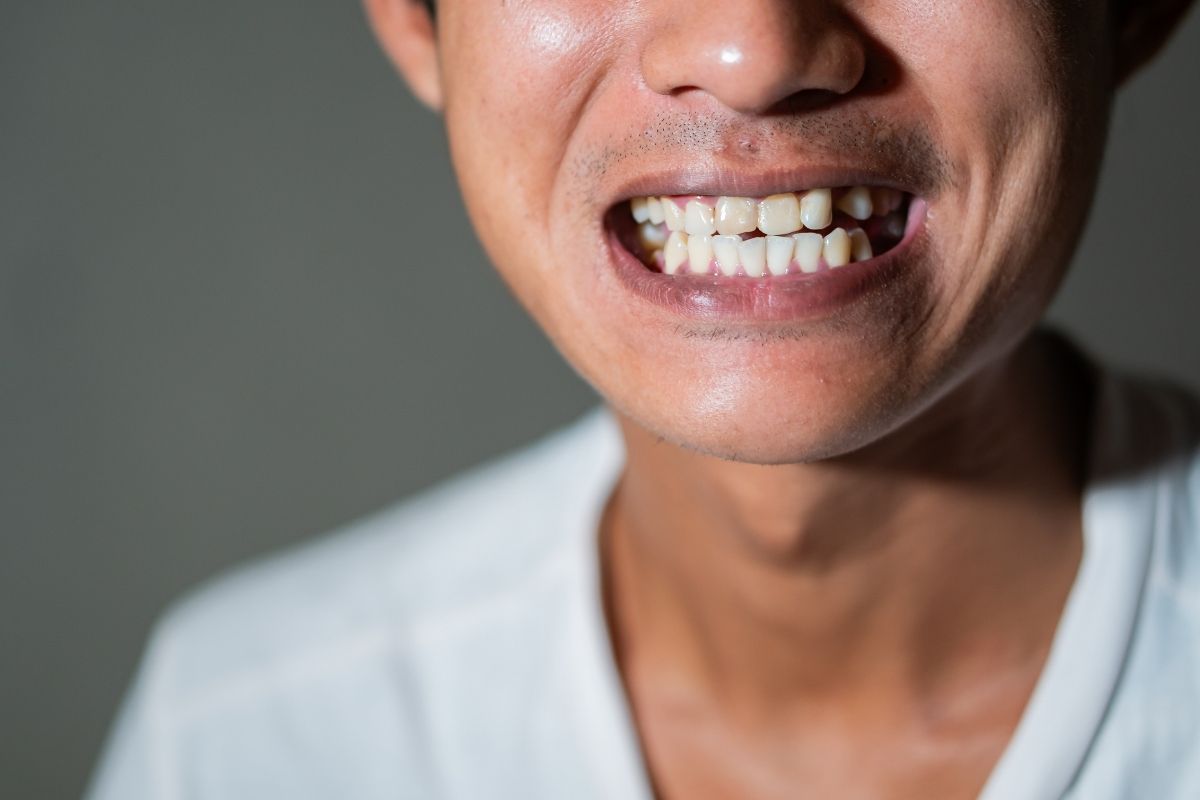
Most people do not have perfectly even teeth. A slight overlap or a tooth that sits a little out of place is very common. In many cases, it is something people simply get used to, and it does not always point to a serious concern. A small irregularity that shows up in photos from time to time is very different from a condition that affects how your teeth function every day.
At the same time, what may seem like a simple cosmetic issue can go deeper. Uneven teeth can influence how the upper and lower teeth meet, how easy it is to maintain oral hygiene, and even how the jaw feels during daily activities. While cosmetic treatments can improve minor concerns, they do not address situations where teeth are misaligned or the bite is off.
In those situations, improving function requires a different approach. Orthodontic care focuses on how teeth are positioned and how the upper and lower jaws work together. At Walnut Central Orthodontics in Dallas, care is centered on helping patients understand what is happening with their teeth before making any decisions. With two board-certified orthodontists, Dr. Choi and Dr. Meyer, the office emphasizes clear guidance and personalized treatment planning for children and adults.
This blog explores the difference between crowded teeth and misaligned teeth, and why that distinction matters.
So What Is Tooth Crowding, Exactly?
Crowding occurs when there is not enough space in the jaw for all the teeth to fit properly. In simple terms, the dental arch cannot accommodate every tooth, which leads to positioning issues.
What happens when teeth are crowded:
- Teeth overlap or stack on each other
- Some teeth rotate or twist out of place
- Teeth may be pushed forward, backward, or outside the natural arch
- A tooth may sit in front of or behind its neighboring tooth instead of aligning next to it
Levels of severity:
- Mild crowding: slight overlap, often limited to front teeth and not easily noticeable
- Moderate to severe crowding: multiple teeth out of position, visible irregularity, and rotation
Why does it happen:
- Mismatch between jaw size and tooth size
- Inherited traits related to dental structure
- Natural variation in how teeth develop
Why it matters beyond appearance:
- Harder to clean between teeth
- Toothbrush may not reach all surfaces effectively
- Flossing becomes difficult in tight areas
- Increased risk of plaque buildup, cavities, and gum issues in those spots
And What Does Misaligned Teeth Actually Mean?
Misaligned teeth, or malocclusion, refer to how the upper and lower teeth come together when the mouth is closed. It focuses on bite function rather than just spacing or positioning within a single row of teeth.
Common types of misalignment:
- Overbite: upper front teeth extend too far over the lower teeth
- Underbite: lower teeth sit in front of the upper teeth
- Crossbite: some upper teeth sit inside the lower teeth instead of outside
- Open bite: front teeth do not touch when the back teeth are together
- Spacing-related bite issues: gaps between teeth that affect how the bite functions
Key characteristics:
- Can occur even when teeth appear straight
- Affects how pressure is distributed during chewing
- May influence jaw comfort and function
How it differs from crowding:
- Teeth can be well-spaced but still misaligned in the bite
- Teeth can be crowded but still come together in a relatively balanced way
- Both conditions can also exist at the same time
It is possible to have crowding and a bite issue at the same time, or to have one without the other. Teeth can be well-spaced and uncrowded but still not bite together correctly. Or someone can have significant crowding but a relatively normal bite relationship overall. They are related concerns, but they are not the same thing, and identifying which one is present matters for figuring out what kind of treatment actually addresses the problem.
Why Position Matters Beyond Appearance
Crowding and bite issues influence more than just how a smile looks. The position of teeth affects everyday function, oral health, and even how comfortable routine activities feel.
Cleaning Becomes Harder
Teeth that overlap or sit too close together create real challenges for daily oral care.
- Floss may not pass easily between tight contacts
- A toothbrush cannot fully reach surfaces where teeth are pressed together
- Certain areas become consistently harder to clean
Over time, this increases the risk of plaque buildup, cavities, and gum concerns, especially in spots that are already difficult to maintain.
Wear and Pressure
When the bite is misaligned, chewing forces are not evenly distributed.
- Some teeth absorb more pressure than they should
- Enamel may wear down faster in specific areas
- Occasional chipping or sensitivity can develop
- Jaw muscles may work harder, leading to soreness or tension
In some cases, ongoing strain can contribute to discomfort that extends beyond the teeth themselves.
Speech
Tooth position can also influence how certain sounds are formed.
- Open bites may prevent the proper contact needed for clear pronunciation
- Crowding in the front teeth can interfere with airflow
- Some individuals notice a lisp or difficulty with specific consonants
These patterns often develop gradually and may go unnoticed until evaluated more closely.
Many people experience these concerns quietly over time. Addressing them is not just about appearance. It is about feeling more at ease in everyday situations. Whether the concern is crowding, bite alignment, or both, a professional evaluation can help clarify what is actually happening and what options are available.
At our Dallas office, we guide patients through this process with a focus on clarity and personalized care. Both of our orthodontists, Dr. Choi and Dr. Meyer, take the time to assess each case carefully and explain what is needed without pressure.
If you have been noticing changes in your teeth, difficulty maintaining oral hygiene, or discomfort in your bite, scheduling a consultation can provide the direction you need to move forward with confidence. Your first consultation is free, giving you the opportunity to meet our team and understand whether treatment is necessary. To schedule, you can call us at: (214) 692-5688.
Signs That It Is Worth Getting an Evaluation
Not every imperfect tooth needs orthodontic treatment. But there are some signals that are worth paying attention to:
- Teeth that visibly overlap or are rotated out of alignment
- Upper and lower teeth that do not seem to meet correctly when biting
- Jaw soreness, clicking in the jaw joint, or frequent headaches without another clear cause
- Certain teeth are wearing down or chipping faster than others
- Flossing is very difficult or impossible in certain spots because the contacts are too tight
- A child whose adult teeth are coming in noticeably out of position
How Are These Issues Treated?
Crowded and misaligned teeth are typically addressed through orthodontic treatments that improve both tooth position and bite function. The approach depends on how mild or complex the concern is.
Common treatment options include:
- Clear aligners (such as Invisalign®) for mild to moderate crowding and minor bite concerns
- Traditional braces for more complex cases involving significant crowding or bite issues
- Ceramic braces as a less noticeable option with similar effectiveness to traditional braces
- Palatal expansion to create additional space in the upper jaw when crowding is related to limited arch width
- Functional appliances to help guide jaw development and improve bite relationships, especially in growing patients
These treatments are often combined based on what the teeth and jaw actually need. The goal is to create enough space, align teeth properly, and ensure the bite comes together in a balanced way.
Understanding the Difference
Crowded teeth and misaligned teeth are often grouped together, but they represent different aspects of how your teeth function. Understanding this difference makes it easier to recognize what your teeth may actually need.
Not every irregularity requires the same approach. Paying attention to how your teeth feel during everyday activities like eating, speaking, and brushing can help you determine whether the concern is mainly visual or something more functional.
A well-aligned smile is not just about appearance. It supports comfort, function, and ease in daily routines.


Family-Friendly
Orthodontic Care Starts Here