

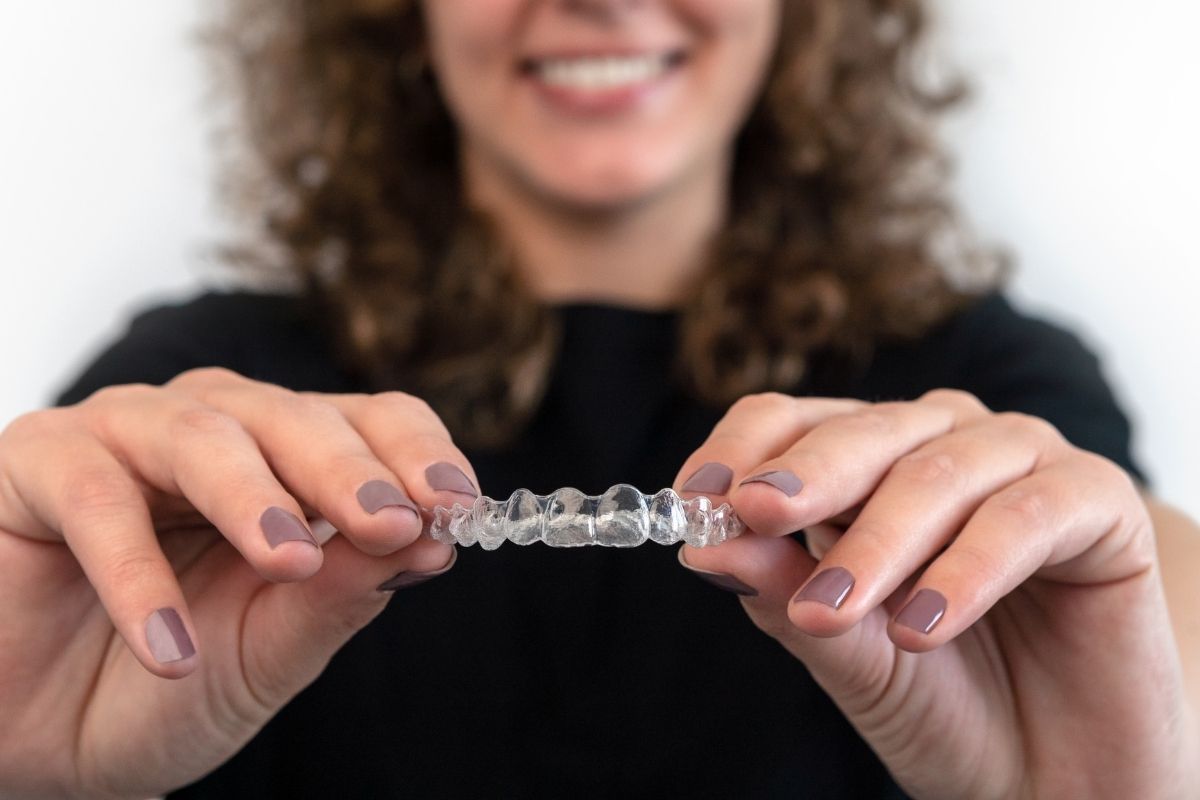
Keeping Invisalign aligners clean is one of the most important parts of staying on track during orthodontic treatment. Clear aligners sit directly against the teeth for most of the day, so they naturally accumulate saliva, bacteria, plaque, and food particles over time. Without proper cleaning habits, aligners can become cloudy, develop an odor, and create an unhealthy environment in the mouth.
For many people starting Invisalign treatment, one of the most common questions is simple: how often should aligners actually be deep cleaned?
The answer depends on daily habits, diet, oral hygiene, and how consistently aligners are worn. However, most orthodontic professionals recommend a combination of daily rinsing and brushing, along with a dedicated deep-cleaning routine several times per week.
A Guide From the Team at Walnut Central Orthodontics
This guide was created by the team at Walnut Central Orthodontics to help the Dallas community better understand how to care for Invisalign aligners during treatment.
Our orthodontists, Dr. Choi and Dr. Meyer, work closely with individuals and families throughout Dallas who want a straighter smile with a modern and flexible treatment experience. We are proud to be recognized as an Diamond Plus Invisalign provider in the Dallas area, reflecting extensive experience and a high number of successful Invisalign cases completed over the years.
Our team is passionate about helping families feel confident throughout treatment and providing clear guidance that makes Invisalign care simple and manageable.
Why Deep Cleaning for Aligners Matters
Aligner trays are designed to fit tightly against the teeth. Since they are worn for approximately 20 to 22 hours per day, aligners can easily trap bacteria and plaque if they are not cleaned properly.
When aligners are only rinsed with water, buildup can gradually collect inside the trays. Over time, this may lead to:
- Yellow or cloudy aligners
- Unpleasant odor
- Increased bacteria accumulation
- Plaque buildup around the teeth and gums
- Higher risk of cavities or gum irritation
- Staining that makes aligners more visible
Deep cleaning helps remove residue that regular brushing may miss. It also helps aligners stay clear and comfortable throughout each stage of treatment.
How Often Should Invisalign Aligners Be Deep Cleaned?
Most Invisalign users benefit from deep cleaning their aligners at least 2 to 3 times per week.
For people who drink coffee regularly, consume staining beverages, play sports, travel frequently, or have naturally higher plaque buildup, daily deep cleaning may be helpful.
A good rule of thumb is:
Daily Cleaning
Every morning and evening:
- Rinse aligners with lukewarm water
- Brush aligners gently with a soft toothbrush
- Brush and floss teeth before placing trays back in
- Remove any visible buildup immediately
Deep Cleaning Routine
2 to 3 times per week or daily if needed:
- Use Invisalign cleaning crystals or an approved aligner cleaner
- Soak aligners for the recommended amount of time
- Rinse thoroughly before wearing again
- Avoid harsh chemicals or abrasive toothpaste
Consistency is more important than using complicated cleaning methods. A simple routine followed regularly usually works best.
Signs Your Aligners Need a Deep Cleaning
Sometimes, aligners may look clean at first glance but still need additional attention.
Common signs include:
Cloudy Appearance
Clear aligners should remain relatively transparent. If the trays begin to look dull or foggy, buildup is likely collecting on their surfaces.
Persistent Odor
If aligners still smell unpleasant after rinsing, bacteria may be trapped in small grooves or edges.
White Film or Residue
Mineral deposits and plaque can create a white film inside the trays over time.
Dry Mouth or Bad Taste
Bacteria buildup inside aligners can affect overall freshness throughout the day.
Increased Staining
Coffee, tea, soda, curry, red sauces, and sports drinks can all contribute to discoloration.
When any of these issues appear, a deeper cleaning routine usually helps restore clarity and freshness.
The Best Ways to Deep Clean Your Aligners
There are several safe and orthodontist-approved methods for deep cleaning Invisalign trays.
Use Invisalign Cleaning Crystals
Invisalign cleaning crystals are specifically designed for clear aligners and remain one of the safest options.
These products help:
- Remove bacteria buildup
- Reduce odor
- Improve clarity
- Break down plaque and residue
Most people soak aligners for around 15 minutes before rinsing thoroughly.
Use Clear Aligner Cleaning Tablets
Many orthodontic offices recommend cleaning tablets formulated for retainers and aligners.
These are often convenient for:
- Students
- Professionals commuting in Dallas traffic
- Travel situations
- Busy family schedules
Always choose products approved for clear aligners rather than denture cleaners that may contain stronger ingredients.
Soak in a Vinegar and Water Solution
A diluted white vinegar solution can help remove buildup naturally.
A common mixture includes:
- One part white vinegar
- Three parts lukewarm water
After soaking briefly, trays should be brushed gently and rinsed thoroughly.
Use a Soft Toothbrush
A soft toothbrush can help clean difficult corners and edges.
Avoid hard-bristle brushes, as they may scratch the aligners and make them more noticeable when worn.
What Not to Use on Invisalign Aligners
Some cleaning methods can actually damage aligners.
Avoid the following:
Hot Water: Heat can warp the plastic and affect the trays’ fit.
Colored Mouthwash: Many mouthwashes contain dyes or alcohol that may stain aligners.
Abrasive Toothpaste: Whitening or gritty toothpaste may scratch the plastic surface.
Bleach or Harsh Chemicals: Strong chemicals are not designed for aligners and should never be used.
Dish Soap With Strong Fragrance: Strong soaps can leave behind unpleasant taste and residue.
Protecting the integrity of the aligners helps treatment stay precise and comfortable.
Invisalign Cleaning Tips for Busy Dallas Lifestyles
Families and professionals in Dallas often have packed schedules, long commutes, school activities, and social events that make routines harder to maintain.
A few practical habits can make Invisalign care easier throughout the day.
Keep a Small Cleaning Kit
A travel-sized kit can include:
- Toothbrush
- Floss
- Aligner case
- Cleaning tablets
- Mini toothpaste
Keeping supplies nearby makes it easier to avoid reinserting aligners without brushing.
Never Wrap Aligners in Napkins
Many aligners are accidentally thrown away at restaurants, sporting events, and offices because they were wrapped in paper towels.
Always use the protective case.
Rinse Aligners Whenever Removed
Even a quick rinse helps reduce buildup between meals.
Drink Water Frequently
Water helps reduce dryness and keeps aligners fresher throughout the day.
Can Dirty Aligners Affect Treatment?
Yes. Poor aligner hygiene can create complications that may affect comfort and oral health during treatment.
When bacteria and plaque remain trapped against the teeth for long periods, there may be a greater risk for:
- Cavities
- Gum inflammation
- Bad breath
- Tooth staining
- Increased plaque buildup
Dirty aligners may also become more visible, which defeats one of the biggest advantages of Invisalign.
Keeping trays clean supports a smoother and more comfortable orthodontic experience.
Should Invisalign Aligners Be Cleaned Every Time They Are Removed?
Aligners do not necessarily need a full deep cleaning every single time they are removed.
However, rinsing them whenever possible is a smart habit.
Most orthodontists recommend:
- Rinsing after meals
- Brushing at least twice daily
- Deep cleaning several times each week
Simple consistency is usually enough to keep aligners in excellent condition.
Professional Invisalign Support For Dallas Families
Every Invisalign case is different, and cleaning recommendations may vary depending on oral health, aligner wear habits, and treatment goals.
At Walnut Central Orthodontics, Dr. Choi and Dr. Meyer provide personalized Invisalign treatment designed around real daily routines for Dallas families. From aligner maintenance to treatment planning, our team focuses on creating an experience that feels organized, supportive, and easy to follow.
If you are considering Invisalign treatment or looking for an experienced Invisalign provider in Dallas, our team is here to help.
Our team offers free consultations to discuss:
- eligibility
- Treatment timelines
- Smile goals
- Aligner care and maintenance
- Questions about cost and financing
Contact Walnut Central Orthodontics today to schedule a free consultation and learn more about your options for clear aligner treatment.
Keep Your Invisalign Aligners Fresh
Deep cleaning your Invisalign aligners regularly helps keep them clear, fresh, and comfortable throughout treatment. Simple habits like rinsing, brushing, and soaking your trays several times a week can make a noticeable difference in both oral hygiene and aligner appearance.
Frequently Asked Questions About Cleaning Invisalign Aligners
Can I soak Invisalign aligners overnight?
Most aligners do not need overnight soaking. Short soaking sessions with approved cleaners are usually enough.
Can toothpaste damage Invisalign trays?
Some toothpaste formulas are abrasive and may scratch the plastic. A soft toothbrush with gentle cleaning products is typically recommended.
How do I keep Invisalign trays from turning yellow?
Consistent cleaning, avoiding staining drinks while wearing aligners, and brushing before reinserting trays can help maintain clarity.
Is it okay to clean aligners with only water?
Water alone is usually not enough to remove bacteria and plaque buildup over time.
How long should Invisalign aligners soak during deep cleaning?
Most aligner cleaning products recommend soaking for approximately 15 to 20 minutes, though instructions may vary by product.
What happens if aligners smell bad?
Persistent odor is usually a sign of bacterial buildup and often improves with more consistent deep cleaning.

Family-Friendly
Orthodontic Care Starts Here