

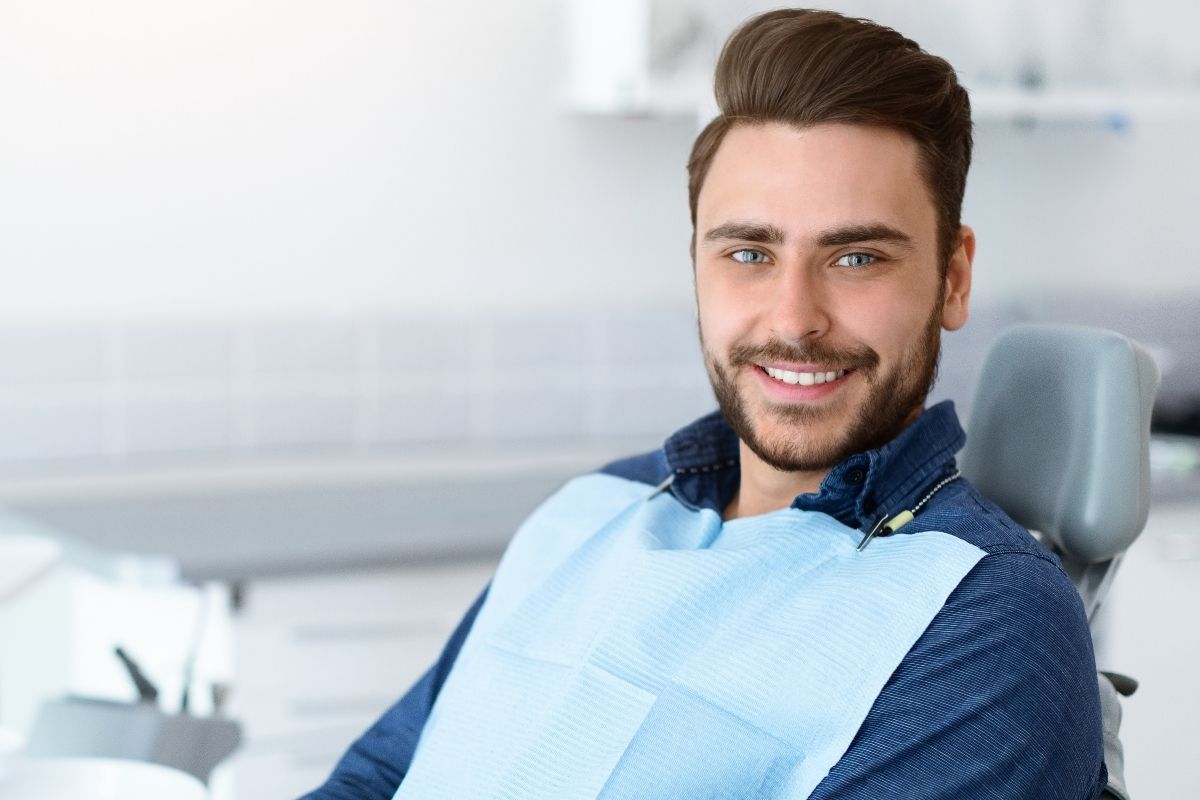
An open bite is more than a cosmetic concern. It can affect how you chew, speak, and even how comfortably your teeth come together. Many people who notice a gap between their upper and lower teeth when they bite down assume surgery is the only solution. In reality, many open bites can be corrected successfully with non-surgical orthodontic treatment.
At Walnut Central Orthodontics, our team helps individuals throughout Dallas explore personalized solutions for bite problems, including open bite correction. Our practice is led by two highly experienced board-certified orthodontists, Dr. Choi and Dr. Meyer, who have extensive experience treating complex orthodontic concerns with modern treatment techniques.
If you are researching treatment options and wondering whether surgery is necessary, understanding how orthodontists approach open bite treatment can help you make a more informed decision.
What Is an Open Bite?
An open bite occurs when the upper and lower teeth do not make contact when the mouth is closed. The gap may appear in the front teeth, known as an anterior open bite, or in the back teeth, known as a posterior open bite.
Common signs of an open bite include:
- Difficulty biting into foods
- Speech challenges involving certain sounds
- Excessive wear on some teeth
- Jaw discomfort
- Visible spacing between upper and lower teeth when biting down
Open bites can develop due to several factors, including genetics, thumb sucking, prolonged pacifier use, tongue thrusting habits, or jaw growth patterns.
Can an Open Bite Be Fixed Without Surgery?
Yes. Many open bites can be treated without jaw surgery, especially when diagnosed and managed by an experienced orthodontist.
The best treatment depends on factors such as:
- The severity of the bite discrepancy
- Age and stage of growth
- Underlying cause of the open bite
- Dental and skeletal relationships
- Overall oral health
Orthodontists often use advanced appliances and treatment techniques to guide teeth into proper alignment and improve bite function without surgical intervention.
How Orthodontists Evaluate Open Bite Treatment Options
Before recommending treatment, orthodontists perform a comprehensive evaluation that may include:
- Digital imaging
- Photographs
- Bite analysis
- Orthodontic records
- Growth assessment when appropriate
This evaluation helps determine whether the open bite is primarily caused by tooth positioning, oral habits, or skeletal factors.
For many individuals, non-surgical treatment provides predictable and effective results when carefully planned.
Invisalign for Open Bite Correction
One of the most common non-surgical treatment options for open bites is Invisalign.
Clear aligners can help reposition teeth while gradually improving bite relationships. Modern Invisalign technology allows orthodontists to address many open bite cases that once required more traditional approaches.
Benefits of Invisalign for open bite treatment may include:
- Nearly invisible appearance
- Removable aligners
- Easier oral hygiene maintenance
- Customized treatment planning
- Comfortable fit
At Walnut Central Orthodontics, Invisalign treatment is a significant part of our expertise. Our practice has successfully completed:
- 6,000+ Invisalign Cases
- Top 1% in the Nation
- 14 Years in a Row
This level of experience allows us to develop highly customized treatment plans for a wide range of bite-correction needs, including many open-bite cases.
Braces as a Non-Surgical Open Bite Treatment
Traditional braces remain one of the most effective methods for correcting moderate to complex open bites.
Braces allow orthodontists to apply precise forces that move teeth into more functional positions over time. Depending on the individual’s needs, treatment may involve:
- Metal braces
- Clear ceramic braces
- Elastics for bite correction
- Specialized orthodontic mechanics
Braces are often recommended when greater control of tooth movement is necessary.
Correcting Tongue Thrust and Oral Habits
In some cases, an open bite develops because of repeated pressure against the teeth from the tongue.
This condition, known as tongue thrust, can interfere with normal bite development and may contribute to relapse if left unaddressed.
Orthodontists may recommend:
- Habit correction strategies
- Myofunctional therapy referrals
- Specialized appliances when appropriate
- Ongoing monitoring during treatment
Addressing the root cause often helps support long-term treatment stability.
Temporary Anchorage Devices (TADs) and Advanced Bite Correction
Modern orthodontics has introduced innovative tools that help correct certain open bites without surgery.
Temporary Anchorage Devices, commonly called TADs, are small anchorage points that assist with controlled tooth movement.
In select cases, TADs can help:
- Improve bite closure
- Reduce the need for surgical intervention
- Support more efficient tooth movement
- Enhance treatment precision
Not every open bite requires TADs, but they can be valuable for specific treatment goals.
When Is Surgery Still Necessary?
Although many open bites respond well to non-surgical orthodontic treatment, some severe skeletal open bites may still require orthognathic surgery.
Surgical treatment is typically considered when:
- Jaw discrepancies are significant
- Bite problems are primarily skeletal rather than dental
- Non-surgical options cannot provide stable functional outcomes
An experienced orthodontist can determine whether non-surgical treatment is appropriate based on a detailed examination and diagnostic records.
How Long Does Non-Surgical Open Bite Treatment Take?
Treatment timelines vary based on individual circumstances.
Factors that influence treatment duration include:
- Severity of the open bite
- Type of treatment selected
- Compliance with aligner wear or elastic use
- Overall treatment goals
Many open bite correction cases may take anywhere from several months to a few years, depending on complexity.
Why Experience Matters in Open Bite Treatment
Open bite correction often requires more than simply straightening teeth. Successful treatment depends on understanding bite function, facial balance, tooth movement, and long-term stability.
At Walnut Central Orthodontics, Dr. Choi and Dr. Meyer create customized treatment plans based on each individual’s needs and goals. As board-certified orthodontists, they use advanced technology and evidence-based treatment approaches to help individuals throughout Dallas achieve healthier, more functional smiles.
If you are concerned about an open bite and want to learn whether non-surgical treatment may be an option, we are here to help.
We offer a free consultation for first-time new patient visits, giving you the opportunity to receive a professional orthodontic evaluation, discuss treatment options, and understand the most effective approach for your smile and bite goals. Contact our Dallas office to schedule your consultation with Dr. Choi or Dr. Meyer and explore your options for open bite correction.
Conveniently located near NorthPark Mall, we proudly serve individuals and families from Highland Park, University Park, Park Cities, Lake Highlands, Richardson, Uptown Dallas, and neighboring communities throughout the Dallas area.
Understanding Your Non-Surgical Options for Open Bite Treatment
Many open bites can be corrected without surgery through modern orthodontic techniques such as Invisalign, braces, habit correction, and advanced bite management strategies. The most effective treatment depends on the underlying cause of the open bite and a thorough orthodontic evaluation.
By working with experienced board-certified orthodontists, you can gain a clear understanding of your treatment options and develop a plan designed to improve both bite function and smile aesthetics. For individuals in Dallas seeking answers about open bite correction, a professional consultation is the first step toward determining the right path forward.
Questions People Often Ask About Open Bite Treatment
Can adults correct an open bite without surgery?
Yes. Many adults successfully improve open bites through Invisalign, braces, or other orthodontic techniques without requiring jaw surgery.
Is Invisalign effective for open bite treatment?
In many cases, yes. Invisalign can effectively address certain open bite conditions when treatment is carefully planned by an experienced orthodontist.
Will my open bite come back after treatment?
Long-term stability depends on maintaining retainers as directed and addressing contributing factors such as tongue thrust or oral habits.
How do I know if I need surgery?
A comprehensive orthodontic evaluation is the best way to determine whether your open bite can be corrected with non-surgical treatment or if surgical options should be considered.


Family-Friendly
Orthodontic Care Starts Here