

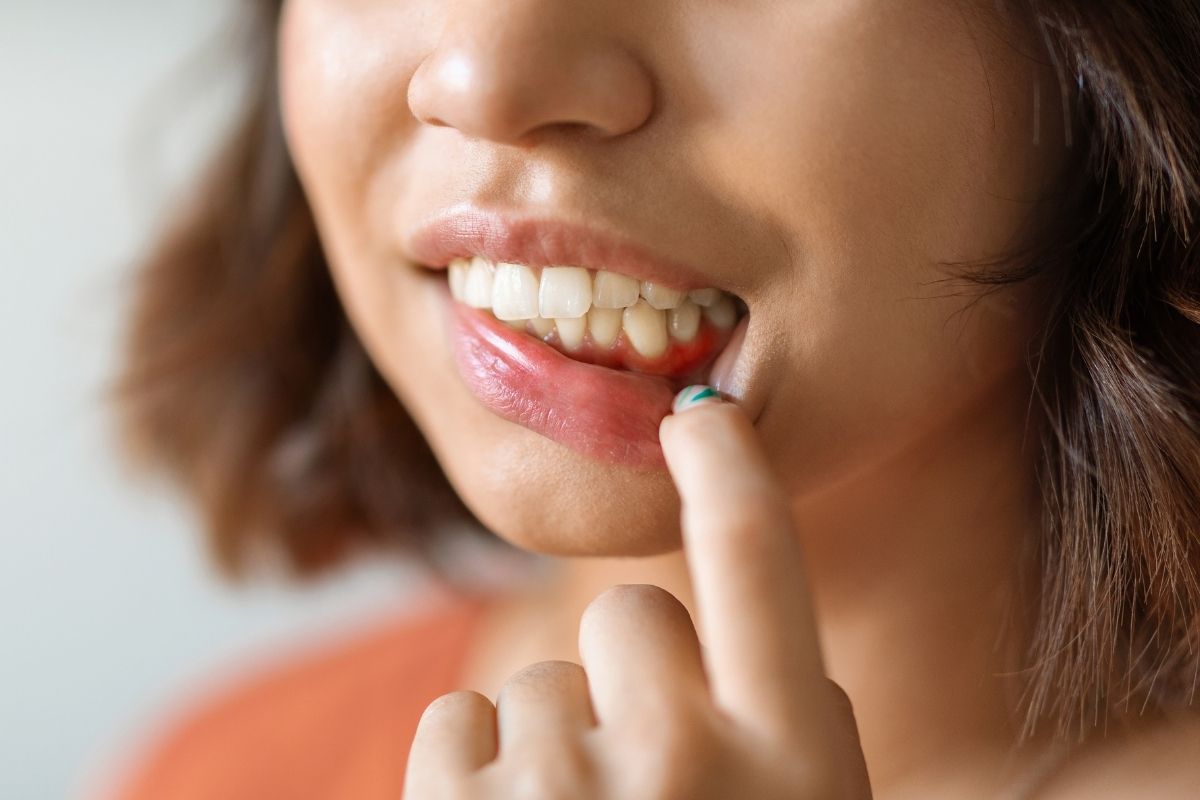
Accidentally biting your lip or tongue occasionally is common. It can happen while eating too quickly, talking during meals, or after minor irritation inside the mouth. However, when lip- or tongue-biting becomes frequent, repetitive, or starts causing discomfort, it may point to an underlying bite or alignment issue that should be evaluated more closely.
Many people do not immediately associate these habits with orthodontic concerns. In some cases, the position of the teeth or jaws may contribute to recurrent soft-tissue injuries in the mouth.
At Walnut Central Orthodontics, Dr. Choi and Dr. Meyer help families throughout Dallas understand how bite alignment can affect daily comfort, chewing patterns, and oral function. Whether the issue involves a child, teenager, or adult, identifying the cause early may help prevent ongoing irritation and long-term complications.
Why Do People Bite Their Lips or Tongue Repeatedly?
Occasional biting is usually harmless. Frequent biting, however, may develop because the teeth and jaws are not aligning properly during speaking or chewing.
This can happen when:
- Teeth overlap unevenly
- The bite shifts while chewing
- Crowded teeth affect tongue space
- Jaw alignment problems are present
- Certain teeth protrude more than normal
- Orthodontic issues alter chewing patterns
Some people notice the problem only while eating, while others accidentally bite the inside of the cheeks, lips, or tongue during normal conversation or even while sleeping.
Can Lip- or Tongue-Biting Be Related to Orthodontic Problems?
Yes, in some cases it can.
Orthodontic concerns affect more than just the appearance of teeth. The way teeth fit together influences chewing, jaw movement, and tongue positioning inside the mouth.
Bite issues that may contribute to repeated biting include:
- Overbite
- Underbite
- Crossbite
- Open bite
- Severe crowding
- Protruding front teeth
- Narrow dental arches
When teeth do not align properly, soft tissues inside the mouth may become trapped or repeatedly irritated during normal movement.
At our orthodontic office, Dr. Choi and Dr. Meyer provide orthodontic care for children, teens, and adults throughout Dallas, focusing on healthy bite function, jaw development, and long-term alignment rather than appearance alone.
Is This Problem More Common in Children or Adults?
Lip- and tongue-biting habits can affect people of all ages.
In Children
Children may experience repeated biting because:
- Permanent teeth are erupting unevenly
- Jaw growth is still developing
- Bite alignment changes during growth
- Crowding limits tongue space
- Oral habits affect bite development
Parents may notice children:
- Complaining about sore spots
- Frequently chewing on lips
- Avoiding certain foods
- Accidentally biting while speaking or eating
Since children’s jaws continue developing, early orthodontic evaluations may help identify whether bite patterns are contributing to the problem.
In Teenagers and Adults
Older people may experience repeated biting because of:
- Long-standing bite misalignment
- Shifting teeth
- Worn teeth
- Previous dental work altering bite balance
- Jaw tension or clenching habits
Some adults assume frequent tongue or cheek biting is simply something they have always dealt with, even though orthodontic concerns may still be contributing to the issue.
Signs the Problem May Need Professional Evaluation
Occasional biting is usually not a major concern. However, recurring injuries or irritation should not be ignored.
Signs that may indicate an orthodontic evaluation is worthwhile include:
- Frequent biting while chewing
- Repeated sores on the lips or tongue
- Swelling or irritation inside the mouth
- Difficulty chewing comfortably
- Teeth that do not seem to fit together properly
- Jaw shifting while eating
- Speech difficulties related to tongue positioning
- Crowded or protruding teeth
- Ongoing discomfort while eating certain foods
Persistent irritation may affect comfort, eating habits, and overall oral health over time.
How Orthodontists Evaluate Bite-Related Problems
Orthodontic evaluations involve more than simply checking whether teeth are straight.
When assessing lip- or tongue-biting concerns, orthodontists may evaluate:
- Tooth alignment
- Bite relationships
- Jaw positioning
- Tongue space
- Chewing patterns
- Facial growth and development
- Crowding and spacing concerns
Digital imaging and bite analysis may also help determine whether tooth positioning contributes to repeated soft tissue injuries.
At Walnut Central Orthodontics, Dr. Choi and Dr. Meyer take time to understand how symptoms relate to bite function before discussing possible treatment recommendations. If you are exploring teams to start your orthodontic journey you can call us for consultation at (214) 692-5688.
What Treatment Might Help?
Treatment depends on the cause and severity of the problem.
In some cases, no immediate orthodontic treatment is necessary. Monitoring growth or minor bite changes may be appropriate.
When orthodontic concerns are contributing to repeated biting, possible treatment recommendations may include:
- Braces
- Clear aligners
- Palatal expanders
- Bite correction treatment
- Monitoring jaw development
- Retainers after orthodontic treatment
The goal is not simply cosmetic improvement. Orthodontic treatment may also help improve comfort, chewing efficiency, and bite function.
Can Lip- or Tongue-Biting Cause Long-Term Problems?
Repeated soft tissue injuries can sometimes lead to:
- Chronic irritation
- Pain while eating
- Inflammation
- Difficulty chewing comfortably
- Thickened tissue from repeated trauma
- Increased sensitivity in affected areas
When the underlying bite issue remains untreated, the irritation may continue recurring even after temporary healing.
This is why understanding the cause of the problem is important before attempting to manage symptoms alone.
What Parents Should Know
Parents sometimes notice children repeatedly chewing their lips or complaining about tongue irritation without realizing the issue may involve bite development.
While not every child with these habits needs orthodontic treatment, an evaluation can help determine:
- Whether the bite is developing normally
- If crowding or jaw positioning is contributing
- Whether monitoring or treatment may be beneficial later
Early evaluations provide guidance and help families better understand what changes may occur as children grow.
Helping Patients Improve Comfort and Bite Function
Frequent lip- or tongue-biting may seem minor initially, but recurring irritation can sometimes point to underlying bite or alignment concerns. Identifying the cause early may help improve comfort, chewing function, and long-term oral health.
At Walnut Central Orthodontics, Dr. Choi, Dr. Meyer, and our team provide orthodontic evaluations and personalized care for children, teens, and adults throughout Dallas and nearby communities. Conveniently located in North Dallas, our office is easily accessible from many areas across the city for families seeking orthodontic care focused on healthy alignment and long-term function. If you or your child experiences repeated lip- or tongue-biting, schedule a free consultation to learn whether bite alignment may be contributing to the problem.
Frequently Asked Questions


Family-Friendly
Orthodontic Care Starts Here