


If you’ve been thinking about straightening your teeth, you’ve probably asked yourself one important question: Are clear aligners just as effective as traditional braces?
The answer isn’t as simple as yes or no. Both treatments can create beautiful, healthy smiles, but the best choice depends on your specific orthodontic needs, lifestyle, and treatment goals.
Whether you’re a busy professional who wants a discreet option or a parent researching treatment for your teen, understanding how these two orthodontic solutions compare can help you make a confident decision.
At Walnut Central Orthodontics, Dr. Judy Choi believes every smile deserves a personalized treatment plan—not a one-size-fits-all approach. That’s why every patient receives a comprehensive evaluation before treatment recommendations are made.
Why Straight Teeth Matter Beyond Appearance
Many people think orthodontic treatment is purely cosmetic, but properly aligned teeth can offer several long-term oral health benefits, including:
- Easier brushing and flossing
- Reduced plaque buildup
- Lower risk of gum disease
- Improved bite function
- Less wear on teeth
- Better jaw alignment
- Increased confidence when smiling
According to the Centers for Disease Control and Prevention (CDC) and the American Dental Association (ADA), maintaining healthy teeth and gums plays an important role in overall health and quality of life.
Clear Aligners vs. Traditional Braces at a Glance
| Feature | Clear Aligners | Traditional Braces |
|---|---|---|
| Appearance | Nearly invisible | Visible metal or ceramic brackets |
| Removable | Yes | No |
| Eating Restrictions | Remove before meals | Certain foods should be avoided |
| Oral Hygiene | Easier to brush and floss | Requires extra cleaning around brackets |
| Comfort | Smooth plastic trays | Mild irritation after adjustments |
| Best For | Mild to moderate alignment issues | Mild to complex orthodontic cases |
| Compliance Needed | High—20–22 hours daily | Minimal patient responsibility |
| Office Visits | Often fewer | Regular adjustment appointments |
How Do Clear Aligners Work?
Clear aligners use a series of custom-made plastic trays designed to gradually move your teeth into better alignment.
Each set of aligners is worn for approximately one to two weeks before progressing to the next stage. Because they’re removable, patients can continue eating their favorite foods and maintain their regular oral hygiene routine with fewer challenges.
Many adults appreciate that aligners are discreet enough for work meetings, social events, and everyday life.
How Traditional Braces Work
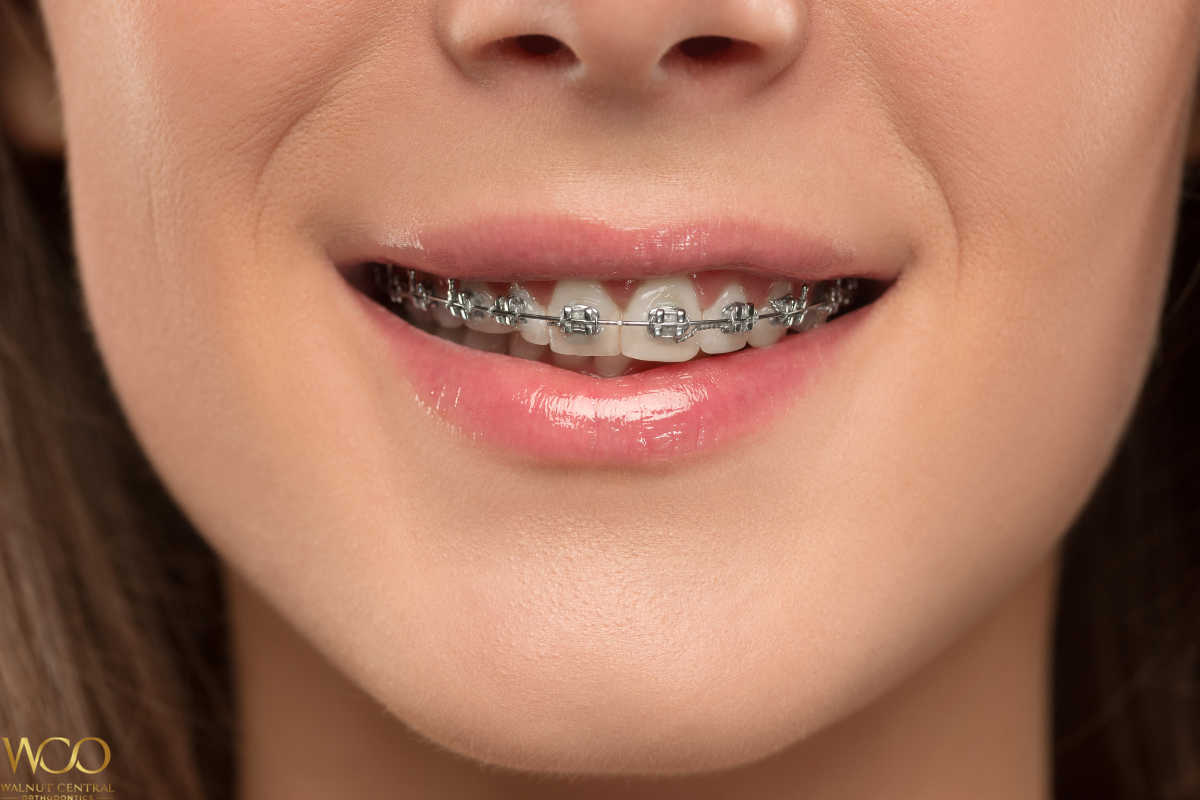
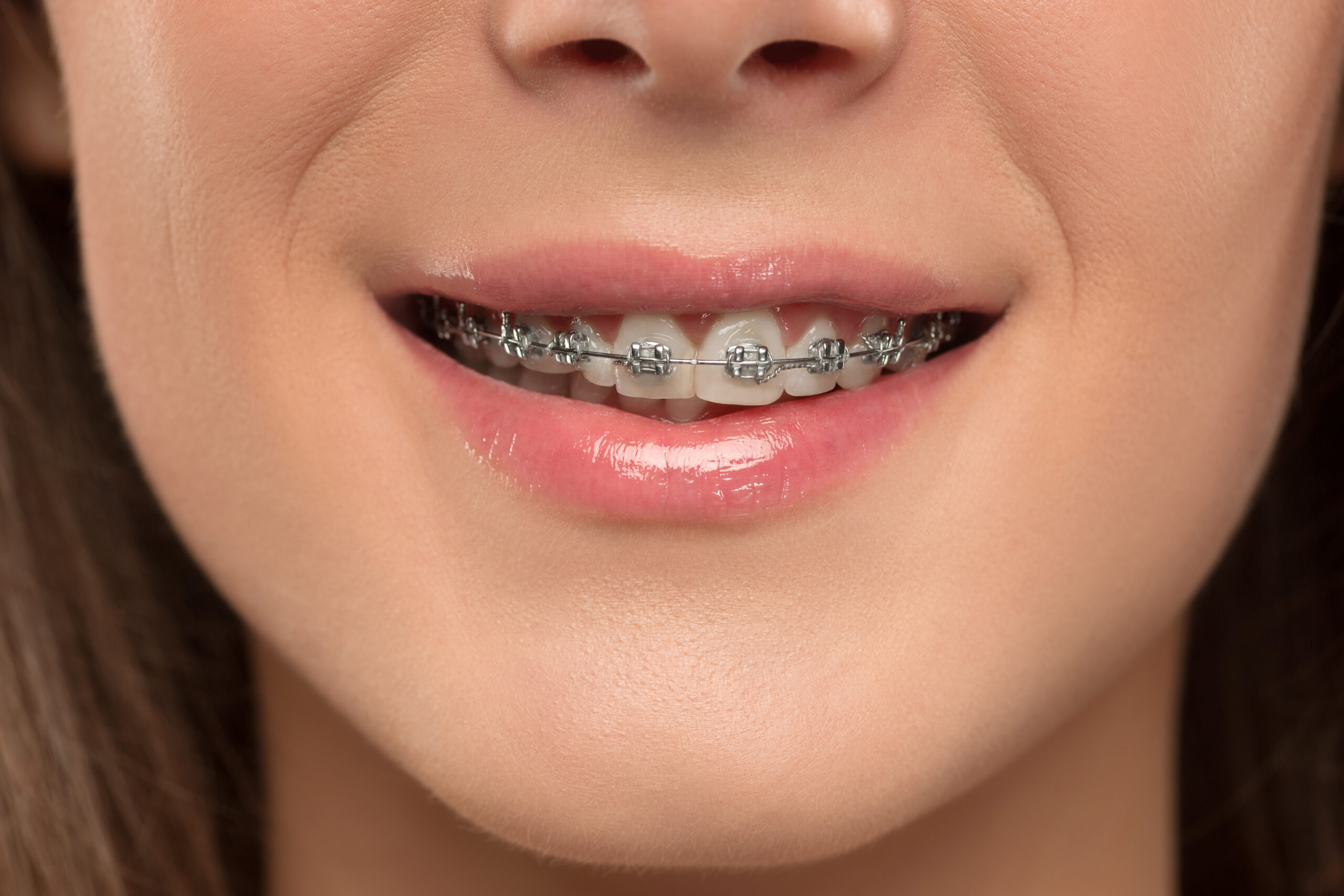
Traditional braces use brackets attached to the teeth and connected by specialized wires that apply gentle, consistent pressure.
Since braces remain fixed throughout treatment, they work around the clock without relying on patient compliance.
This makes them especially effective for correcting:
- Severe crowding
- Significant bite issues
- Tooth rotations
- Large gaps
- Complex jaw alignment concerns
Modern braces are much smaller, smoother, and more comfortable than many people remember from years ago.
Are Clear Aligners Really as Effective?
In many cases—yes.
For patients with mild to moderate orthodontic concerns, clear aligners can achieve results comparable to traditional braces when worn exactly as directed.
However, braces often remain the preferred choice for more complex cases because they provide greater control over tooth movement.
An experienced orthodontist evaluates factors such as:
- Tooth positioning
- Bite alignment
- Jaw development
- Bone support
- Patient age
- Lifestyle habits
Every smile is unique, which is why treatment recommendations should always be individualized.
Which Treatment Fits Your Lifestyle?
One of the biggest differences between braces and aligners isn’t effectiveness—it’s daily routine.
Clear Aligners May Be Ideal If You:
- Want a discreet appearance
- Can wear aligners consistently
- Prefer fewer food restrictions
- Travel frequently
- Have an established oral hygiene routine
Traditional Braces May Be Better If You:
- Have complex orthodontic needs
- Prefer not to remember removable trays
- Want continuous treatment without relying on self-discipline
- Are treating significant bite problems
Comparing the Pros and Cons
| Treatment | Advantages | Considerations |
|---|---|---|
| Clear Aligners | Nearly invisible, removable, easier cleaning, fewer dietary restrictions | Must be worn consistently, can be misplaced |
| Traditional Braces | Excellent for complex cases, always working, highly predictable | More noticeable, dietary restrictions, additional cleaning required |
What About Treatment Time?
Treatment length varies based on individual needs.
Generally speaking:
| Orthodontic Issue | Estimated Treatment Time |
|---|---|
| Minor Alignment | 6–12 months |
| Moderate Crowding | 12–18 months |
| Comprehensive Orthodontic Treatment | 18–24 months or longer |
These timelines are only estimates. A complete orthodontic examination provides the most accurate treatment plan.
Why Experience Matters
Orthodontic treatment isn’t simply about choosing between braces and aligners—it’s about choosing the right provider.
Dr. Judy Choi is an experienced orthodontist at Walnut Central Orthodontics who is dedicated to creating personalized treatment plans based on each patient’s unique smile goals and clinical needs. Rather than recommending the same solution for every patient, Dr. Choi carefully evaluates bite function, tooth movement, facial balance, and long-term oral health before designing a customized treatment approach.
Patients appreciate her focus on education, honest communication, and comfortable care throughout every stage of treatment.
Trusted Sources for Orthodontic Information
For reliable information about oral health and orthodontic care, patients can also explore resources from respected U.S. organizations, including:
- American Association of Orthodontists (AAO)
- American Dental Association (ADA)
- Centers for Disease Control and Prevention (CDC) – Oral Health
- National Institute of Dental and Craniofacial Research (NIDCR)
These organizations provide evidence-based guidance on oral health, preventive care, and orthodontic treatment.
Frequently Asked Questions
1. Do clear aligners work as well as braces?
For many mild to moderate orthodontic cases, clear aligners can produce results comparable to braces when worn consistently for the recommended number of hours each day. More complex cases may benefit from traditional braces.
2. Which treatment is faster?
Treatment time depends on the complexity of your orthodontic needs rather than the appliance itself. Some patients complete aligner treatment sooner, while others achieve better outcomes with braces.
3. Are clear aligners more comfortable?
Many patients find clear aligners comfortable because they don’t include brackets or wires. However, it’s normal to experience mild pressure whenever switching to a new set of aligners.
4. Can adults benefit from braces?
Absolutely. Adults of all ages choose orthodontic treatment to improve oral health, bite function, and smile confidence. Age alone is rarely a limiting factor.
5. How do I know which option is right for me?
The best way to determine the right treatment is through a professional orthodontic evaluation. Your orthodontist can assess your bite, tooth alignment, and treatment goals before recommending the most appropriate option.
Start Your Smile Journey with us
Whether you’re considering clear aligners or traditional braces, choosing the right treatment begins with expert guidance.
At Walnut Central Orthodontics, Dr. Judy Choi and the team are committed to helping patients achieve healthy, confident smiles through personalized orthodontic care and modern treatment options. Every recommendation is tailored to your unique needs, ensuring you receive care that’s designed for long-term success.
To learn more or schedule a consultation, contact Walnut Central Orthodontics at +1 (214) 692-5688 and take the first step toward a smile you’ll love for years to come.
Family-Friendly
Orthodontic Care Starts Here