

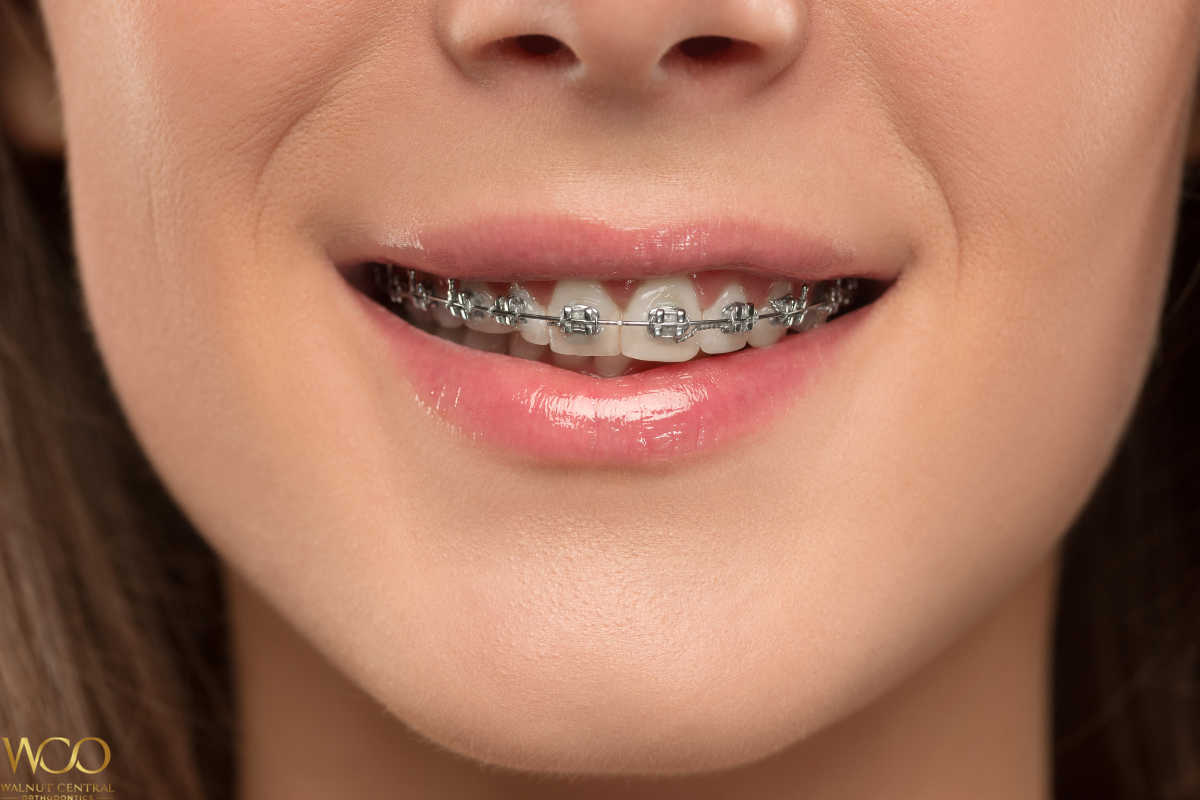
Thinking about braces can bring up a surprising number of questions.
Will they hurt? Will everyone notice them? What can you eat? How long will you have to wear them? And, perhaps most importantly, are braces really the right choice for your smile?
If you’re in Dallas and considering orthodontic treatment, you’re not alone in having these concerns. At Walnut Central Orthodontics, Dr. Judy Choi works with children, teens, and adults to create personalized treatment plans based on their individual orthodontic needs, goals, and lifestyles.
Here are five of the most common concerns Dallas patients have before starting treatment—and what you should actually know.
1. “Are Braces Going to Hurt?”
This is probably the first question many patients ask.
The good news is that modern orthodontic treatment is generally more manageable than people expect. You may experience pressure, tenderness, or mild soreness when treatment begins or after an adjustment, but this discomfort is typically temporary.
The sensation is usually more like pressure or tenderness than severe pain. Eating softer foods during the first few days can make the adjustment period easier.
At Walnut Central Orthodontics, Dr. Judy Choi focuses on making the treatment experience as comfortable and understandable as possible. If you experience severe or persistent discomfort, it’s always appropriate to contact your orthodontic team.
Bottom line: Don’t let fear of discomfort stop you from getting an orthodontic evaluation. Knowing what to expect can make the experience much less intimidating.
2. “Will Everyone Notice My Braces?”
For teenagers and adults especially, appearance can be a major concern.
You may be thinking about school photos, presentations at work, dates, weddings, social events, or simply smiling in everyday conversations.
Traditional metal braces are certainly visible, but today’s orthodontic options give patients more choices. Depending on your treatment needs, you may be a candidate for ceramic braces, Empower® braces, or Invisalign® clear aligners.
Ceramic braces can provide a less noticeable appearance, while Invisalign uses removable, nearly invisible aligners.
The important thing is not to choose an appliance simply because it looks attractive. Your orthodontist should first determine which treatment options are appropriate for your teeth and bite.
3. “Will I Have to Give Up My Favorite Foods?”
This is another very real concern—especially for kids and teens.
With traditional braces, you generally need to be more careful with hard, sticky, or particularly chewy foods because they can damage brackets or wires.
That doesn’t mean you have to give up everything you enjoy.
Instead, your orthodontic team will give you practical guidance about foods to avoid and how to modify certain foods. Good oral hygiene is also especially important during treatment because food can become trapped around brackets.
And if a bracket or wire does break, don’t panic. A broken appliance does not automatically mean your entire treatment has failed, but you should contact your orthodontist so the problem can be addressed.
For Dallas families with busy school, work, and activity schedules, knowing how to care for your appliance can help prevent unnecessary interruptions.
4. “How Long Will I Have to Wear Braces?”
There’s no universal treatment timeline.
Some patients assume they’ll automatically need orthodontic treatment for two years, while others expect their treatment to be finished within a few months.
The reality is that treatment length depends on factors such as the complexity of your alignment, your bite, tooth movement required, age, treatment approach, and how closely you follow your orthodontist’s instructions.
At your consultation, Dr. Judy Choi can evaluate your teeth and bite and explain the treatment options that may be appropriate for your specific situation.
Keeping appointments, following care instructions, maintaining good oral hygiene, and protecting your appliance can all contribute to keeping treatment on track.
So rather than asking, “How quickly can I get my braces off?” a better question is:
“What treatment approach is appropriate for my smile, and what can I do to stay on schedule?”
5. “What If Braces Aren’t Right for Me?”
This concern is especially common among adults who haven’t seen an orthodontist in years.
You may assume that you’re either too old for orthodontic treatment or that your teeth are too complicated for braces or clear aligners.
Neither assumption should be made without an orthodontic evaluation.
Adults can receive orthodontic treatment, and Walnut Central Orthodontics offers several options, including traditional metal braces, ceramic braces, Empower® self-ligating braces, and Invisalign®.
Dr. Judy Choi is a board-certified orthodontist who completed her orthodontic specialty training at the University of California, San Francisco. She provides orthodontic care for children, teens, and adults in the Dallas community.
If another provider has told you that you aren’t a candidate for a particular treatment, Walnut Central Orthodontics also welcomes patients seeking a second opinion.
Braces Don’t Have to Be Something You Fear
It’s completely normal to feel nervous before starting orthodontic treatment.
You may be worried about discomfort. You may wonder how you’ll look. You may be concerned about food restrictions, treatment time, or whether the treatment will fit your lifestyle.
But getting answers before starting can replace much of that uncertainty with confidence.
At Walnut Central Orthodontics, Dr. Judy Choi takes the time to evaluate each patient’s smile, discuss treatment options, and create an individualized plan. The practice is conveniently located near NorthPark Mall and serves patients from Dallas communities including Highland Park, Lake Highlands, Park Cities, Richardson, University Park, and Uptown.
A Quick Look at Your Concerns
| Common concern | What you should know |
|---|---|
| Will treatment hurt? | Temporary pressure or soreness can occur, especially when treatment begins or appliances are adjusted. |
| Will everyone notice? | Options such as ceramic braces and Invisalign may provide a more discreet appearance. |
| Can I eat normally? | You may need to avoid certain hard or sticky foods with traditional braces. |
| How long will treatment take? | Treatment time varies based on your individual orthodontic needs. |
| Am I too old? | Adults can be candidates for orthodontic treatment after an appropriate evaluation. |
Frequently Asked Questions About Braces
1. Are braces painful?
Most patients experience temporary pressure or mild soreness rather than significant pain. If you experience severe or persistent discomfort, contact your orthodontic provider.
2. How long do braces usually take?
Treatment time varies from patient to patient. Your orthodontic needs, bite, tooth movement, treatment method, and cooperation with care instructions can all affect the timeline.
3. Can adults get braces?
Yes. Adults can be candidates for traditional braces, ceramic braces, Empower® braces, or Invisalign®, depending on their individual orthodontic needs.
4. What foods should I avoid with braces?
Patients with traditional braces may be advised to avoid hard, sticky, or chewy foods that could damage brackets or wires. Your orthodontist will provide specific dietary instructions.
5. How do I know if braces are right for me?
The best way to find out is through an orthodontic evaluation. Dr. Judy Choi can assess your teeth and bite and explain which treatment options may be appropriate for your smile.
Ready to Stop Worrying and Start Asking Questions?
You don’t have to decide on your treatment based on fear, online searches, or someone else’s experience.
A consultation can help you understand what’s happening with your teeth, what options are available, and what your orthodontic journey could look like.
If you’re considering braces in Dallas, call +1 214-692-5688 to schedule a consultation with Dr. Judy Choi at Walnut Central Orthodontics.

Family-Friendly
Orthodontic Care Starts Here