

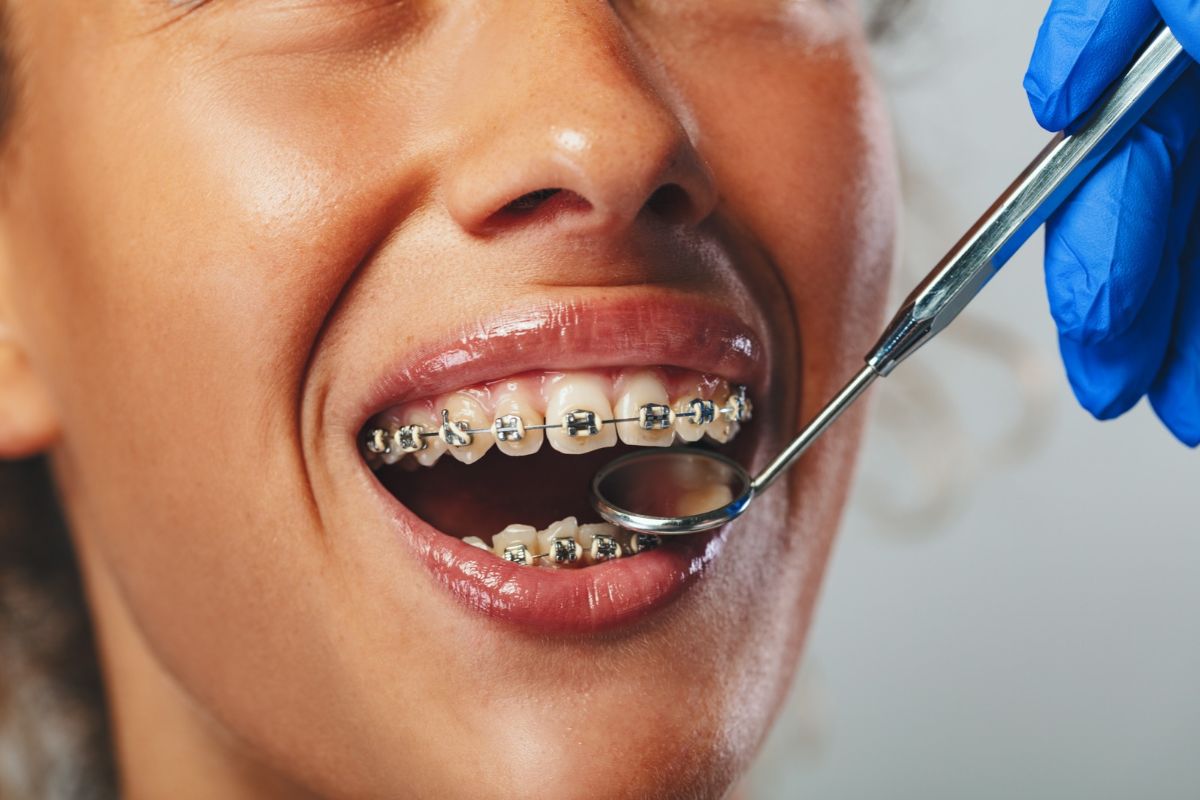
Have you been thinking about getting braces but keep telling yourself, “Maybe next year”?
Perhaps you’re worried about discomfort, treatment costs, your appearance, or simply don’t think your crooked teeth are serious enough to need attention. If you’re a parent, you might also be wondering whether your child should get braces now or wait until more permanent teeth come in.
These are common concerns for families and adults in Dallas, TX. However, postponing an orthodontic evaluation without understanding your dental condition may mean missing an opportunity to address certain alignment or bite problems at the appropriate time.
Not every crooked tooth requires immediate braces, and delaying treatment doesn’t automatically mean your teeth will get worse. But there are several potential concerns worth understanding before putting off that appointment.
Let’s look at five reasons why it’s worth having your teeth evaluated by an orthodontist.
1. Crowded Teeth May Become More Difficult to Keep Clean
Do your front teeth overlap? Are some teeth positioned behind others? If so, you may have dental crowding.
Crowded teeth can create tight spaces that make brushing and flossing more challenging. When certain areas are difficult to reach, plaque can accumulate more easily, potentially increasing the risk of cavities and gum problems.
For busy Dallas professionals, students, and parents, maintaining a consistent oral hygiene routine is already important. When teeth overlap significantly, cleaning them properly may require extra attention.
What you should watch for:
- Teeth that increasingly overlap or twist.
- Difficulty flossing between certain teeth.
- Food frequently getting trapped between teeth.
- Permanent teeth emerging out of alignment.
An orthodontic evaluation can help determine whether braces or another treatment approach may improve your tooth alignment.
2. Bite Problems May Affect More Than Your Smile
Straight teeth aren’t just about appearance. Your upper and lower teeth should also come together in a functional way.
When they don’t, you may have an orthodontic condition known as malocclusion, or a misaligned bite.
Common bite problems include:
| Bite problem | What it means |
|---|---|
| Overbite | Upper front teeth overlap the lower teeth excessively |
| Underbite | Lower front teeth sit ahead of the upper teeth |
| Crossbite | Some upper teeth sit inside the lower teeth |
| Open bite | Upper and lower teeth don’t meet properly in certain areas |
Depending on its severity, a bite problem may contribute to uneven tooth wear, difficulty biting or chewing, and other dental concerns.
If you notice that your teeth don’t meet comfortably when you close your mouth, don’t simply assume it’s normal. An orthodontist can examine your bite and explain whether treatment is recommended.
3. Uneven Tooth Wear Could Become More Noticeable
Have you noticed flattened edges, small chips, or unusual wear on certain teeth?
Sometimes, the way your upper and lower teeth meet can place additional pressure on particular teeth.
When a bite is misaligned, certain teeth may experience uneven contact during chewing. Over time, this may contribute to abnormal tooth wear in some patients.
However, tooth wear can also have other causes, including teeth grinding and clenching. That’s why a professional evaluation is important before assuming braces are the solution.
If you notice unusual changes in your teeth, discuss them with your dentist or orthodontist.
4. Your Child May Miss an Important Window for Orthodontic Evaluation
Parents often ask, “Should I wait until all my child’s baby teeth fall out before visiting an orthodontist?”
Not necessarily.
The American Association of Orthodontists recommends that children have their first orthodontic checkup by age 7. At this stage, an orthodontist can identify developing concerns involving tooth alignment, jaw growth, and bite development.
This doesn’t mean every seven-year-old needs braces.
Some children may benefit from early orthodontic treatment, while others simply need periodic monitoring as their permanent teeth develop.
At Walnut Central Orthodontics, parents can explore options such as traditional braces, Invisalign First®, and two-phase orthodontic treatment, depending on their child’s individual needs.
Early evaluation can help parents understand what is happening with their child’s developing smile rather than waiting until a concern becomes more noticeable.
5. You May Spend More Time Wondering Instead of Getting Answers
One of the biggest reasons people postpone braces is uncertainty.
You may wonder how much treatment costs, whether braces will hurt, how long you’ll need them, or whether Invisalign could be a better option.
But delaying an evaluation doesn’t answer any of these questions.
Today’s orthodontic treatment offers several options, including:
- Traditional metal braces: A versatile option for many alignment and bite concerns.
- Ceramic braces: Tooth-colored brackets that are less noticeable.
- Empower® self-ligating braces: A bracket system that uses a built-in clip to hold the archwire.
- Invisalign®: Removable clear aligners for appropriate candidates.
The right option depends on your orthodontic condition, lifestyle, and treatment goals. A consultation can help you understand your choices before making a decision.
Should You Get Braces Now or Continue Waiting?
There isn’t one answer for everyone. Some orthodontic conditions need timely attention, while others can be monitored safely.
If you’re noticing increasing crowding, difficulty cleaning between teeth, an uncomfortable bite, or changes in your child’s developing smile, consider scheduling an orthodontic evaluation.
At Walnut Central Orthodontics, Dr. Judy Choi helps patients understand their orthodontic concerns and explore treatment options based on their individual needs.
Conveniently located near NorthPark Mall, our Dallas practice welcomes children, teenagers, and adults from Lake Highlands, Highland Park, University Park, Richardson, Uptown, and surrounding communities.
You don’t have to commit to braces just because you schedule an evaluation. The first step is simply understanding what your smile needs.
Ready to find out whether braces are right for you or your child?
Call Walnut Central Orthodontics at +1 214-692-5688 to schedule your orthodontic consultation.
Frequently Asked Questions About Delaying Braces
1. What happens if I never get braces for crooked teeth?
It depends on the severity of your condition. Some mild alignment issues may remain relatively stable, while certain crowding or bite problems may affect oral hygiene, tooth wear, or chewing function. An orthodontist can determine whether treatment is necessary.
2. Can delaying braces make my teeth more crooked?
It can happen in some cases, but not everyone experiences worsening alignment. Teeth can shift over time due to several factors, including aging, growth, and changes in dental support. An orthodontic evaluation can help identify what’s happening.
3. Is it too late to get braces as an adult?
No. Healthy teeth can be moved orthodontically at any age. Adults may be candidates for traditional metal braces, ceramic braces, or clear aligners, depending on their dental health and orthodontic needs.
4. What is the best age for a child to get braces?
The American Association of Orthodontists recommends an initial orthodontic evaluation by age 7. However, the right time to begin treatment varies. Some children need early intervention, while others can wait until more permanent teeth have erupted.
5. Are braces better than Invisalign?
Neither option is automatically better. Braces can address many complex alignment and bite concerns, while Invisalign treatment offers a removable, discreet option for suitable patients. Our orthodontist can recommend an approach based on your specific needs.
Your smile deserves attention, not guesswork. Schedule an orthodontic evaluation with Walnut Central Orthodontics in Dallas, TX, and find out which treatment options may be right for you.

Family-Friendly
Orthodontic Care Starts Here