


Thinking about getting braces but worried about the pain? You’re not alone. Many teens, adults, and parents in Dallas have questions about discomfort before starting orthodontic treatment. The good news is that getting braces is generally manageable, and any soreness usually improves as your mouth adjusts.
If you’ve been wondering, ” Will braces hurt, understanding what to expect can make the entire experience feel less intimidating. Here’s what you should know before scheduling your orthodontic consultation.
Will Braces Hurt When They Are First Put On?
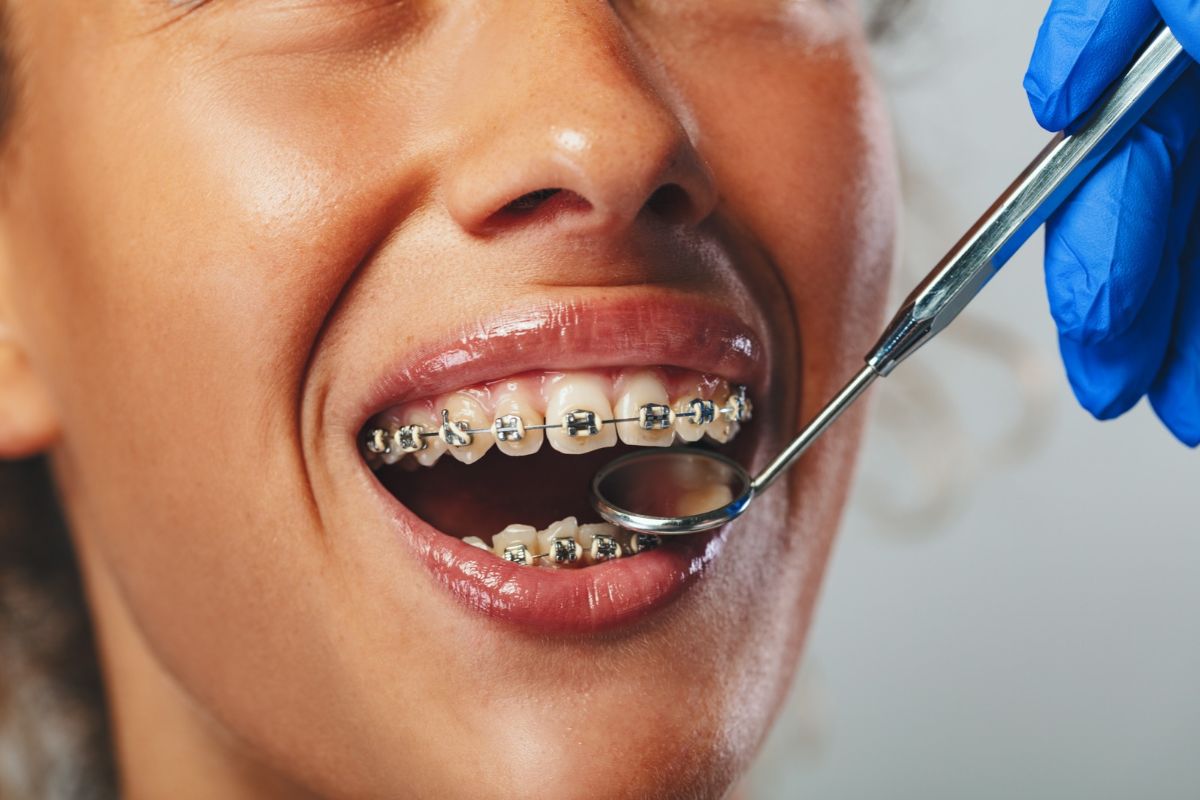
Getting braces typically doesn’t cause significant pain during placement. Your orthodontist attaches the brackets to your teeth and connects them with a wire. You may feel pressure, but the process itself is usually comfortable.
The soreness generally begins a few hours later as your teeth start responding to the gentle pressure used to move them. You may notice tenderness when chewing or biting into firmer foods.
For most patients, this discomfort is temporary and gradually improves over several days.
How Long Does Braces Pain Last?
One of the biggest concerns patients have is how long they will feel sore after getting braces. Although everyone’s experience is different, the following timeline offers a general idea.
| Stage | What you may experience |
|---|---|
| First few hours | Mild pressure or little noticeable discomfort |
| Days 1–3 | Tender teeth and soreness while chewing |
| Days 4–7 | Discomfort generally begins to improve |
| After adjustments | Temporary tenderness may return |
| Following weeks | Your mouth gradually becomes more accustomed to braces |
If you keep asking yourself, ” Will braces hurt throughout the first week, remember that tenderness does not necessarily mean something is wrong. However, severe, worsening, or persistent pain deserves professional attention.
5 Simple Ways to Manage Braces Discomfort
You don’t have to let temporary soreness disrupt your everyday routine. These practical tips may help you feel more comfortable.
1. Choose soft foods. Try yogurt, scrambled eggs, oatmeal, mashed potatoes, pasta, smoothies, and soup that has cooled to a comfortable temperature. Cut firmer foods into small pieces as your mouth adjusts.
2. Use orthodontic wax. If a bracket or wire rubs against your cheek or lips, orthodontic wax can help create a protective barrier. Follow your orthodontist’s instructions for application.
3. Try a cold drink or cold, soft food. Cool water and chilled yogurt may provide temporary relief from tenderness.
4. Maintain gentle oral hygiene. Brush carefully with a soft-bristled toothbrush and clean between your teeth as instructed. Keeping your mouth clean helps protect your gums throughout treatment.
5. Ask about appropriate pain relief. If you need medication, consult your orthodontist or healthcare professional about what is suitable for you. Follow the product label and professional advice rather than taking medication unnecessarily.
Do Braces Hurt More After an Adjustment?
You may experience some tenderness after an orthodontic adjustment because the treatment continues to guide your teeth into new positions. However, the level of discomfort varies from one patient to another.
If you’re concerned that braces will interfere with school, work, or your busy Dallas lifestyle, consider planning softer meals and keeping orthodontic wax handy around adjustment appointments.
You should not assume that severe pain is a normal part of treatment. Contact your orthodontist if discomfort is intense, doesn’t improve, or is accompanied by swelling or other concerning symptoms.
Are Braces or Invisalign More Comfortable?
Patients who are concerned about discomfort often compare traditional braces with clear aligners. Both treatments can cause temporary pressure or tenderness as teeth move.
| Feature | Traditional braces | Invisalign clear aligners |
|---|---|---|
| Initial adjustment | Teeth may feel tender | Pressure may occur when starting a new tray |
| Mouth irritation | Brackets or wires may rub | Aligners may irritate the edges of the mouth |
| Eating | Some foods need to be avoided | Aligners are removed for meals |
| Daily responsibility | Requires careful brushing around brackets | Requires consistent wear and cleaning |
| Suitability | Treats a wide range of orthodontic concerns | Appropriate for many, but not all, cases |
Neither option is completely discomfort-free, and one isn’t automatically better for everyone. The right treatment depends on your teeth, bite, goals, and orthodontic needs.
When Should You Contact Your Orthodontist?
Mild tenderness is common, but sharp or severe pain, significant swelling, a loose bracket, a protruding wire, or discomfort that continues to worsen should not be ignored.
Contact your orthodontic office for guidance if you experience these problems. If you have severe swelling, fever, difficulty swallowing or breathing, or other urgent symptoms, seek prompt medical attention.
Frequently Asked Questions
1. Will braces hurt more on the first day?
You may feel little discomfort during placement, with tenderness developing several hours later. Soreness is often most noticeable during the first few days and then gradually improves.
2. How many days will my teeth hurt after getting braces?
Many patients notice improvement within three to seven days, although the duration varies. Contact your orthodontist if pain is severe, persistent, or getting worse.
3. Does getting braces tightened hurt?
Adjustments can cause temporary pressure and tenderness as your teeth continue moving. The discomfort is usually manageable and varies between patients.
4. What foods should I eat when my braces hurt?
Choose soft foods such as yogurt, eggs, oatmeal, mashed potatoes, pasta, and smoothies. Avoid hard, crunchy, or sticky foods that may cause additional discomfort or damage your braces.
5. Are braces worth it if they cause discomfort?
For many patients, orthodontic treatment can improve tooth alignment, bite function, and smile confidence. A qualified orthodontist can explain the potential benefits, risks, alternatives, and expected treatment process for your individual case.
Get Answers Before Starting Braces in Dallas
Knowing what to expect can make your orthodontic journey feel much easier. At Walnut Central Orthodontics, patients can discuss their concerns, understand available treatment options, and receive guidance tailored to their individual needs.
Whether you’re considering braces for yourself or your child, a consultation is an opportunity to ask questions about discomfort, treatment duration, oral hygiene, and what daily life with braces may look like.
Ready to take the next step? Contact Walnut Central Orthodontics at +1 214-692-5688 to discuss your orthodontic concerns and arrange a consultation with Dr. Megan Meyer.
Family-Friendly
Orthodontic Care Starts Here