

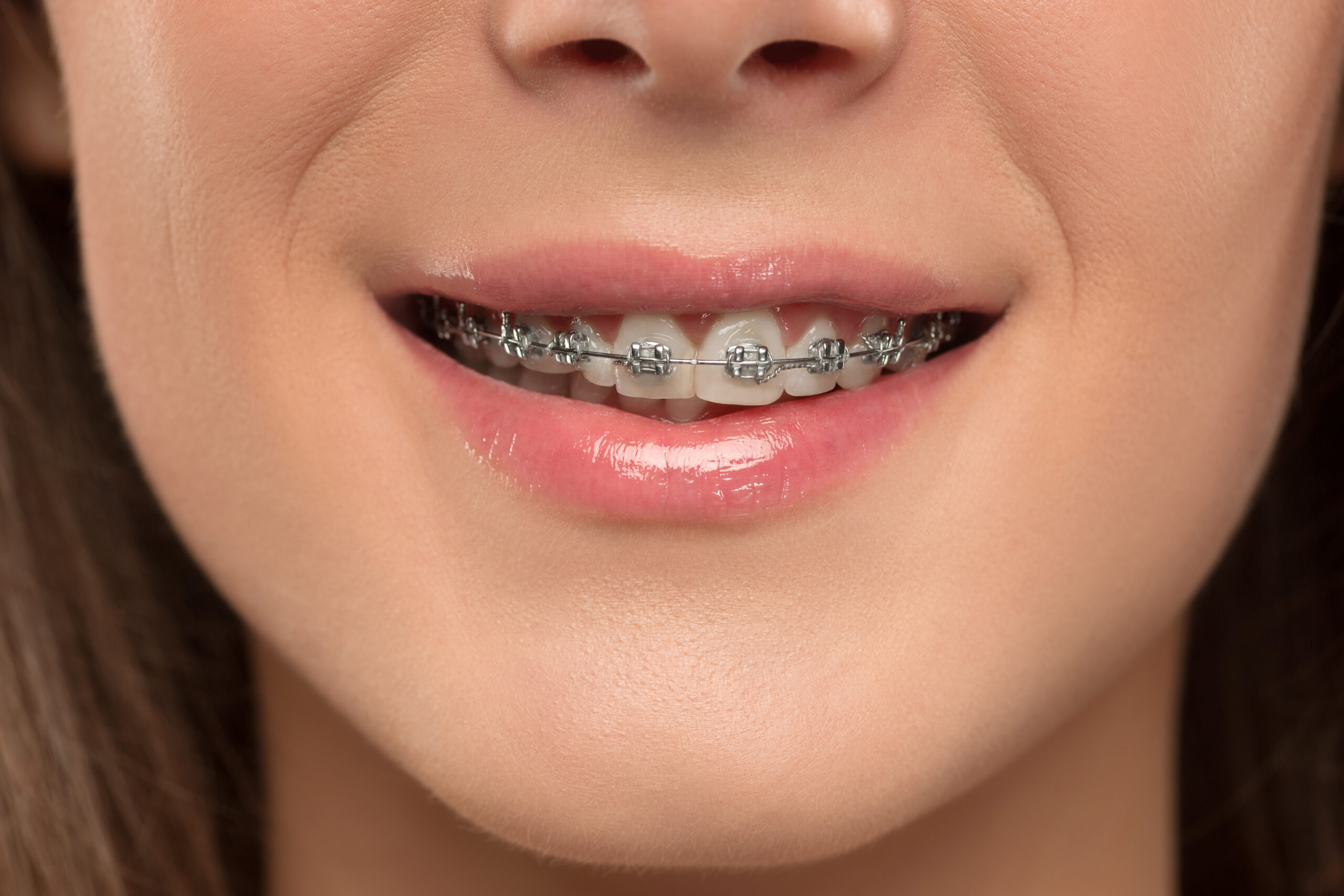
Maybe you’ve looked in the mirror and wondered whether your teeth are actually crooked enough to need treatment. Or perhaps your child has crowded teeth, a noticeable overbite, or trouble biting into certain foods.
So, do I need braces if my teeth don’t look that bad?
Not necessarily—but appearance isn’t the only thing an orthodontist considers. Braces can address problems with tooth alignment, crowding, spacing, and the way your upper and lower teeth come together. The American Association of Orthodontists notes that orthodontic treatment can address crooked or crowded teeth as well as bite and jaw-alignment concerns.
If you’ve been asking yourself do I need braces, here are six signs worth paying attention to.
1. Your Teeth Are Crowded or Overlapping
One of the most obvious reasons people ask, do I need braces, is visible crowding.
When there isn’t enough room for teeth to fit comfortably, they may overlap, twist, or erupt in unusual positions. Crowded teeth can also be harder to brush and floss thoroughly, which may make maintaining good oral hygiene more challenging.
You don’t have to wait until crowding becomes severe. An orthodontic evaluation can determine whether your teeth simply need monitoring or whether treatment would be beneficial.
2. Your Bite Doesn’t Come Together Properly
Your teeth should fit together in a reasonably balanced way when you close your mouth. If you have an overbite, underbite, crossbite, or open bite, the issue may involve more than appearance.
This is another important reason to ask, do I need braces?
The American Dental Association explains that abnormal bites can affect chewing and speech and may contribute to problems such as abnormal enamel wear and other oral-health concerns.
A proper orthodontic examination can determine how significant the bite problem is and which treatment options may be appropriate.
3. You Frequently Bite Your Cheeks or Tongue
Do you regularly catch your cheek or tongue when eating?
Occasional biting happens to everyone. But if it happens frequently, your teeth may not be meeting in the most comfortable position.
The AAO lists frequent biting of the tongue or inside of the cheek among signs that may warrant an orthodontic consultation.
If this sounds familiar, do I need braces is a question worth bringing to an orthodontist rather than simply assuming it’s normal.
4. Your Teeth Are Difficult to Clean
Crowded or rotated teeth can create tight spaces where a toothbrush and floss may have difficulty reaching.
If you’re consistently struggling to clean certain areas of your mouth, orthodontic treatment may be worth discussing.
That doesn’t automatically mean you need braces. Your dentist and orthodontist can look at your individual tooth positions, gum health, bite, and overall oral condition before recommending treatment.
The American Dental Association emphasizes that orthodontic treatment should be planned around the patient’s specific needs and the severity of the alignment problem.
5. Your Teeth Are Wearing Unevenly
Take a close look at your teeth. Do some edges appear noticeably more worn than others?
Uneven tooth wear can have several possible causes, so it shouldn’t automatically be blamed on crooked teeth or your bite. However, the way your teeth meet can be an important part of an orthodontic evaluation.
If you’re noticing unusual wear along with a misaligned bite, it’s reasonable to ask, do I need braces or another form of orthodontic treatment?
A professional evaluation can help identify what’s actually happening instead of relying on a mirror or online quiz.
6. Your Teeth Have Started Shifting
Maybe your teeth were fairly straight a few years ago, but now you notice new gaps, crowding, or changes in how your teeth fit together.
Teeth can shift over time, including after previous orthodontic treatment. That’s why an old set of braces doesn’t necessarily mean your current smile will stay exactly the same forever.
If you’re seeing noticeable changes, do I need braces may not be the only question. Your orthodontist may recommend a retainer, aligners, braces, monitoring, or another approach depending on the cause.
Do You Need Braces If Your Smile Looks Fine?
Not always.
Some orthodontic problems are easy to see, while others become apparent only when an orthodontist evaluates your bite and tooth positioning. Orthodontic treatment is about more than creating straight-looking teeth; it also considers function, alignment, and long-term stability.
That’s why do I need braces can’t be answered accurately from a photograph alone.
A professional examination may include photographs, digital scans, and X-rays when appropriate. The AAO explains that orthodontic care begins with a thorough examination and diagnostic records to develop an individualized treatment plan.
Braces Aren’t Only for Kids
If you’re an adult wondering, do I need braces, don’t assume you’re too old.
Healthy adult teeth can be treated orthodontically. Treatment options may include traditional metal braces, ceramic braces, or clear aligners, depending on your specific orthodontic needs.
For busy adults who work, attend meetings, or simply don’t want orthodontic treatment to dominate their appearance, discussing different options with an orthodontist can help you make a more comfortable decision.
What About Braces in Dallas?
If you’re researching braces dallas options, choosing the right orthodontic provider is more important than simply choosing the appliance.
At Walnut Central Orthodontics, Dr. Judy Choi and Dr. Megan Meyer lead a team focused on personalized orthodontic care. The practice offers braces and Invisalign and provides complimentary consultations and X-rays for patients evaluating their treatment options.
Dr. Judy Choi takes a patient-focused approach, listening to concerns and developing treatment recommendations based on each patient’s individual needs. For families in North Dallas and nearby communities such as Highland Park, Lake Highlands, Park Cities, Richardson, University Park, and Uptown, the practice provides a convenient local option for orthodontic care.
If you’re still asking, do I need braces, the simplest way to get an answer is to schedule an orthodontic evaluation.
Call Walnut Central Orthodontics at +1 214-692-5688 to discuss your smile and treatment options.
Braces vs. Other Orthodontic Options
| Treatment | Often Used For | Key Consideration |
|---|---|---|
| Metal braces | Crowding, spacing, bite problems, complex alignment | Fixed to the teeth |
| Ceramic braces | Many of the same alignment concerns | Less noticeable appearance |
| Clear aligners | Selected alignment and bite problems | Must be worn as directed |
| Retainers | Maintaining results after treatment | Usually used after active treatment |
The best option depends on your diagnosis, age, bite, tooth position, treatment goals, and other individual factors. The AAO emphasizes that orthodontists select treatment based on factors such as age, jaw relationships, and the specific orthodontic problem.
Frequently Asked Questions
1. How do I know if I need braces?
Common signs include crowded or crooked teeth, bite problems, difficulty cleaning certain areas, frequent cheek or tongue biting, and noticeable tooth shifting. Only an orthodontic examination can determine whether treatment is appropriate.
2. Do I need braces if my teeth aren’t very crooked?
Not necessarily. Orthodontic treatment can address bite and alignment problems that aren’t obvious when you simply look at your smile.
3. What age is best for braces?
There isn’t one universal age. Children, teenagers, and adults may all benefit from orthodontic treatment. The right timing depends on dental development and the specific problem being treated.
4. Are braces only for cosmetic reasons?
No. Braces can improve tooth alignment and bite function in addition to improving the appearance of your smile.
5. Do I need braces or Invisalign?
That depends on your individual orthodontic needs. Some problems can be treated effectively with clear aligners, while braces may offer advantages for certain complex movements. An orthodontist can compare the options after evaluating your teeth and bite.
The Bottom Line
If you’ve been wondering, do I need braces, don’t try to diagnose yourself based solely on how your teeth look.
Crowding, bite problems, frequent cheek biting, difficult-to-clean teeth, uneven wear, and shifting teeth can all be reasons to have your smile evaluated. Getting an expert opinion doesn’t mean you’re committing to braces—it simply gives you a clearer understanding of what’s happening and whether treatment could help.
At Walnut Central Orthodontics, Dr. Judy Choi and the team can evaluate your smile and explain your options in straightforward terms. Call us at +1 214-692-5688 to schedule your appointment.

Family-Friendly
Orthodontic Care Starts Here